CUBE ChatShaala - Discussion Summary
The CUBE ChatShaala session held on September 13, 2026, brought together active participants including Sailekshmi, Arunan MC, Yukti Manral, Niharika Baghari, Vatshla Singh, Akshada Narad, Kiran Varma, Manali Bhujade, Sweta, Diya, Chitralekha, Khushbu Gupta, and Nidhi Devdas. The interactive webinar centered on plant reproduction, flower anatomy, genetic marker methodologies, and practical extraction protocols.
┌─────────────────────────────────────────────────────────────────────────────────┐
│                           CUBE CHATSHAALA WORKFLOW                              │
├──────────────────────────────┬──────────────────────────────────────────────────┤
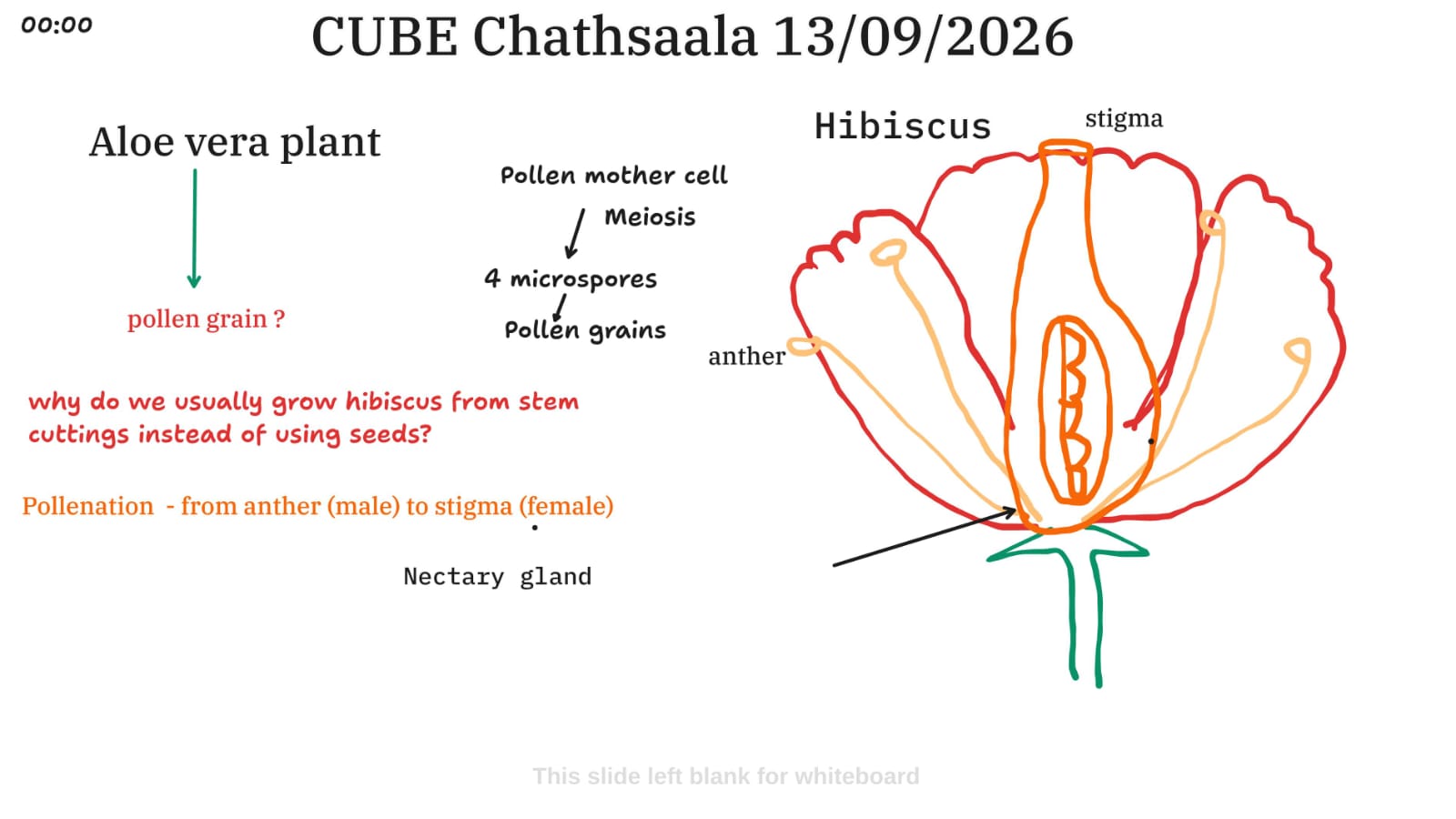
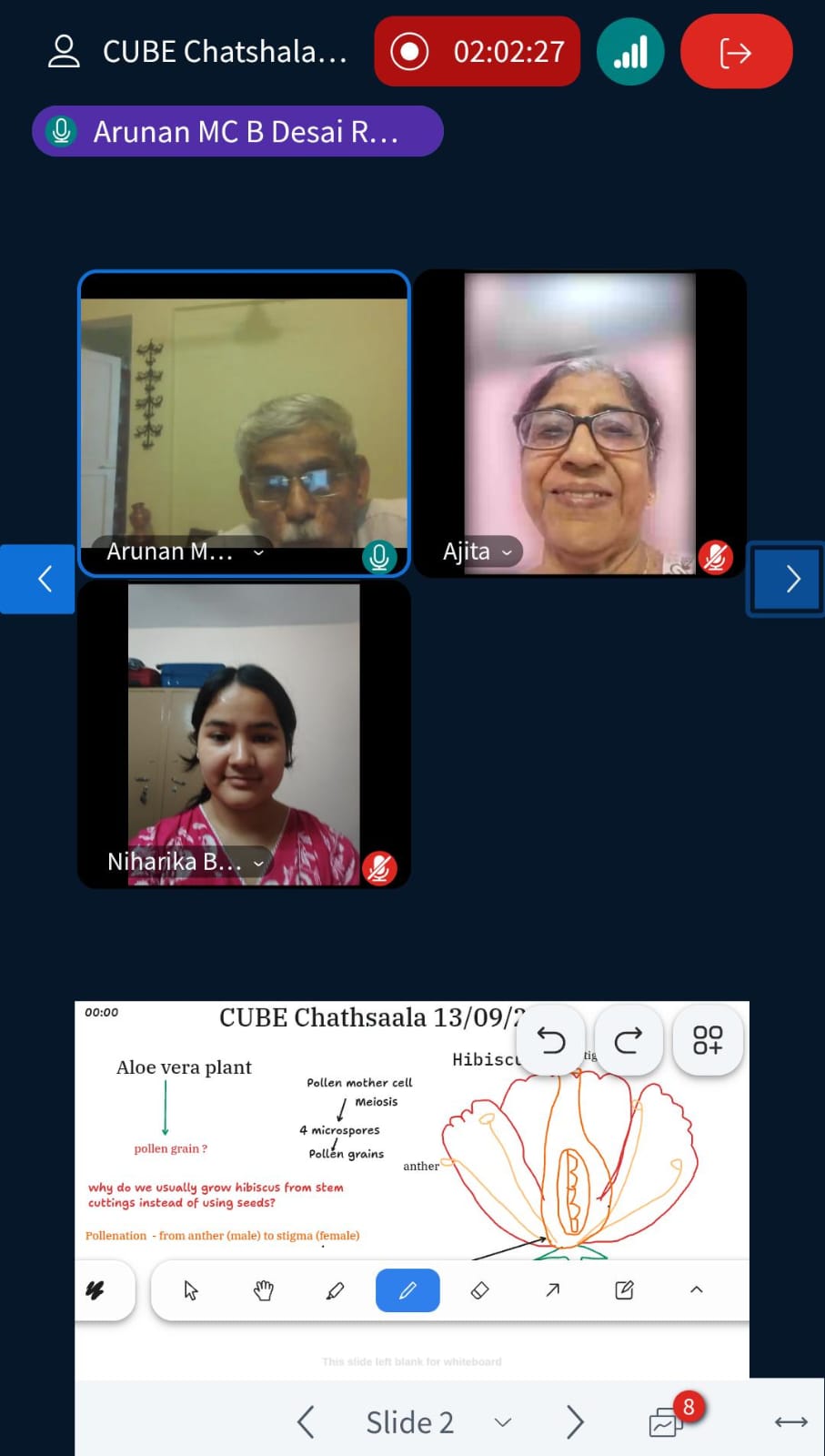
│ Floral Anatomy & Pollination │ • Microsporogenesis (Pollen mother cell → 4      │
│                              │   microspores → Pollen grains)                   │
│                              │ • Pollen movement: Anther (Male) → Stigma        │
│                              │   (Female)                                       │
│                              │ • Functional role of Nectary glands              │
├──────────────────────────────┼──────────────────────────────────────────────────┤
│ Propagation & Genomics       │ • Propagation strategy: Hibiscus vegetative stem │
│                              │   cuttings vs. seed germination                  │
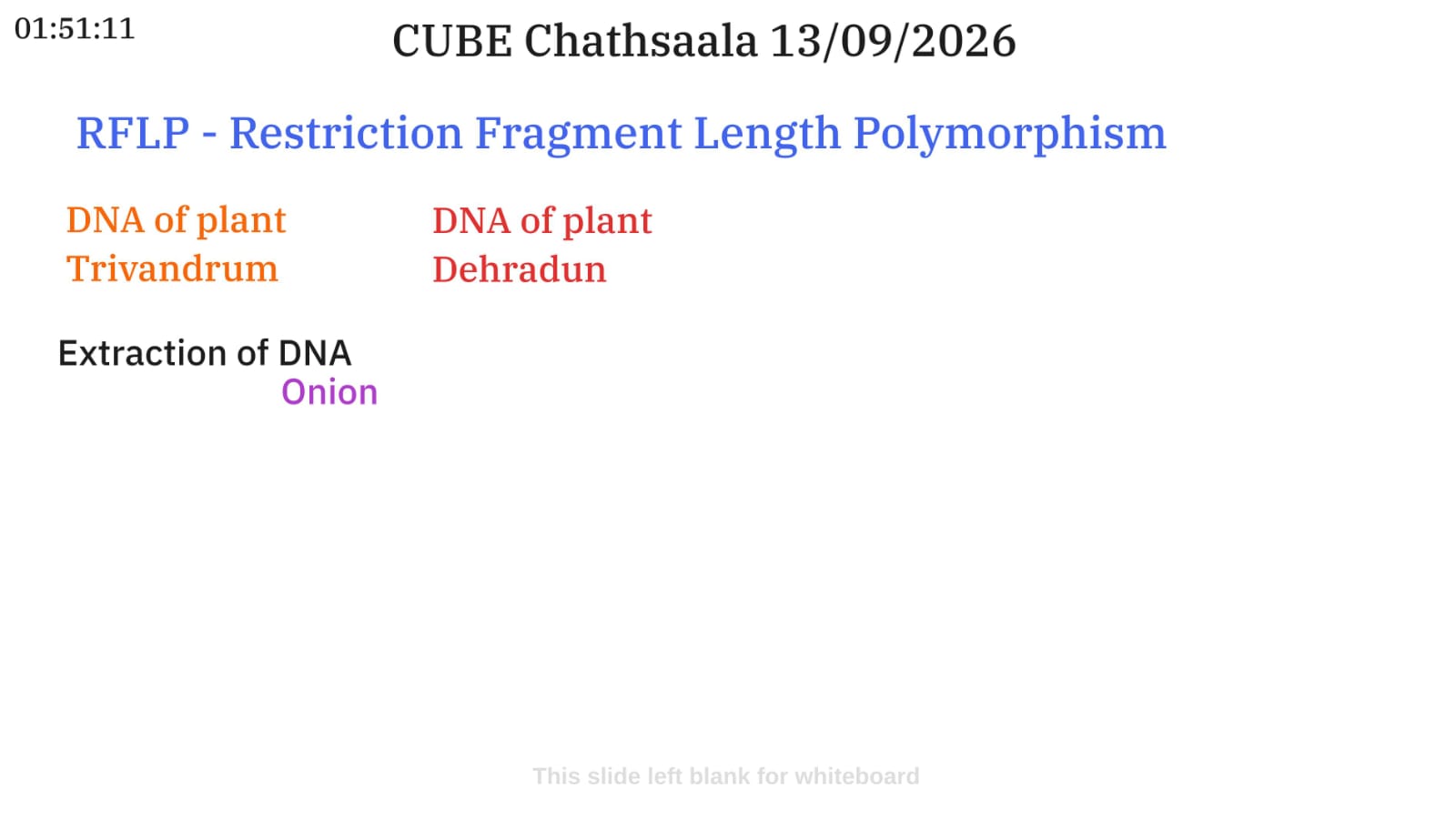
│                              │ • RFLP analysis of geographical variants         │
│                              │   (Trivandrum vs. Dehradun)                      │
│                              │ • Practical application: Onion DNA extraction    │
└──────────────────────────────┴──────────────────────────────────────────────────┤
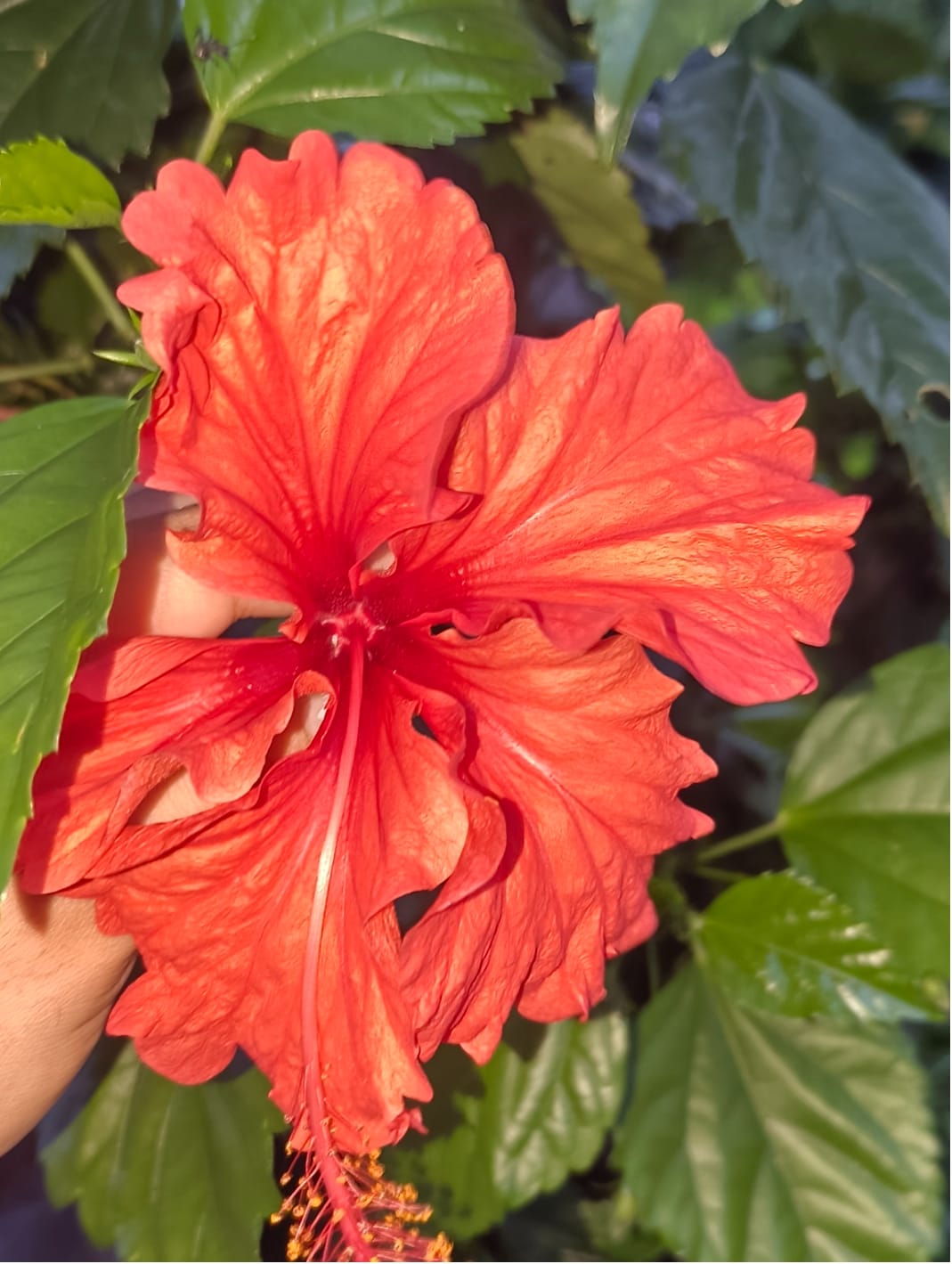
The discussion opened with an examination of microsporogenesis and floral morphology. Participants traced the cellular lineage where a diploid pollen mother cell undergoes meiotic division to produce four haploid microspores, which ultimately develop into mature pollen grains. Using a Hibiscus flower model, the team identified key reproductive structures—specifically the stigma, anthers, and the underlying nectary gland positioned at the base of the floral receptacle. The conversation then addressed pollination dynamics, contrasting wind-assisted dispersion with insect attraction via nectary rewards, and examined reproductive strategies in plants like Aloe vera and Hibiscus. A focal question emerged regarding why Hibiscus is predominantly cultivated using vegetative stem cuttings rather than seed propagation, touching upon seed viability, genetic uniformity, and growth rates.
The second half of the session shifted toward molecular techniques, focusing on Restriction Fragment Length Polymorphism (RFLP) to study genetic variations across geographically distinct plant populations, such as samples from Trivandrum and Dehradun. The team discussed genomic DNA extraction protocols using onion tissue as a standard model, connecting bench-top extraction methods with molecular marker techniques like RFLP, RAPD, AFLP, and SSRs used in germplasm characterization.
 Provocative Questions
-
Why do many ornamental Hibiscus cultivars fail to produce viable seeds despite displaying fully developed anthers, stigmas, and functional nectary glands?
-
If meiotic division during microsporogenesis introduces genetic recombination, how might vegetative propagation through stem cuttings alter the long-term adaptive potential of a plant species compared to seed propagation?
-
How can RFLP distinguish between genetic variations caused by regional environmental adaptation and natural population drift in plant samples collected from geographically distant locations like Trivandrum and Dehradun?
-
In what ways does the biochemical composition of simple DNA extraction buffers (such as those used in onion DNA isolation) limit or enable the enzymatic digestion required for precise downstream RFLP mapping?
 What I Have Learned
-
Meiotic Progression in Anthers: Microsporogenesis follows a structured progression where diploid pollen mother cells undergo meiosis to yield four microspores, each maturing into viable pollen grains capable of fertilizing the ovule.
-
Functional Trade-offs in Plant Propagation: Vegetative propagation via stem cuttings bypasses the uncertain germination rates and genetic segregation associated with seed propagation, yielding genetically identical offspring with faster establishment times.
-
Molecular Marker Resolution: RFLP serves as an effective tool for comparing restriction site variations across plant genomes, enabling researchers to map genetic distance and identify distinct geographical lines.
-
Practical Extraction Methods: Simple, accessible materials like onion tissue provide a reliable, cost-effective model for demonstrating core genomic DNA extraction steps before proceeding to restriction enzyme analysis.
 TINKE Moments (This I Never Knew Earlier)
-
TINKE Moment 1: The Seed vs. Cutting Propagation Dilemma
-
Context: Participants debated why gardeners and researchers routinely use stem cuttings rather than seeds to propagate Hibiscus.
-
Insight & Challenge: This moment highlighted a gap in understanding how selective breeding and hybrid sterility affect plant reproduction. While seeds offer genetic diversity, many domestic cultivars are polyploid or complex hybrids with low seed set or non-true-to-type progeny. Clarifying this trade-off helps bridge high-school genetics concepts with practical horticultural science.
-
-
TINKE Moment 2: Connecting Raw DNA Extraction to RFLP Analysis
-
Context: Transitioning from basic onion DNA extraction to high-resolution RFLP typing across Trivandrum and Dehradun plant strains.
-
Insight & Challenge: Participants experienced a conceptual hurdle in understanding how crude DNA isolated at a lab bench becomes suitable for restriction endonuclease digestion and gel electrophoresis. Recognizing that genomic DNA must be free of protein impurities and secondary metabolites to allow clean enzyme cutting was a key breakthrough during the session.
-
 Gaps and Misconceptions
-
Misconception around Self-Pollination vs. Seed Set: There was an initial assumption that the mere presence of functional anthers and stigmas in the same flower guarantees successful seed production. This overlooks biological mechanisms such as self-incompatibility, pollinator specificity, and environmental stress that can block fertilization.
-
Gap in RFLP Workflow Understanding: A minor gap was noted regarding how restriction enzymes operate. Some participants viewed RFLP as a method for sequencing DNA directly, rather than recognizing it as a technique that detects pattern differences based on fragment lengths produced by specific enzymatic cuts.
-
Overlooking Epigenetic vs. Genetic Variation: When evaluating plant specimens from different climates (e.g., Trivandrum vs. Dehradun), phenotypic differences were occasionally conflated with genetic polymorphisms. It is crucial to distinguish environmentally induced epigenetic changes from underlying genomic sequence variations detectable by molecular markers like RFLP, SSRs, or AFLPs.
 Photographs during Chatshaala





 Referance