CUBE ChatShaala—Discussion Summary
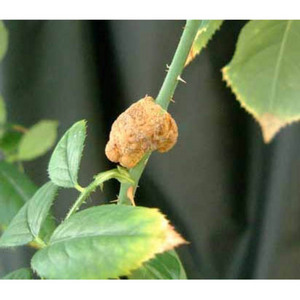
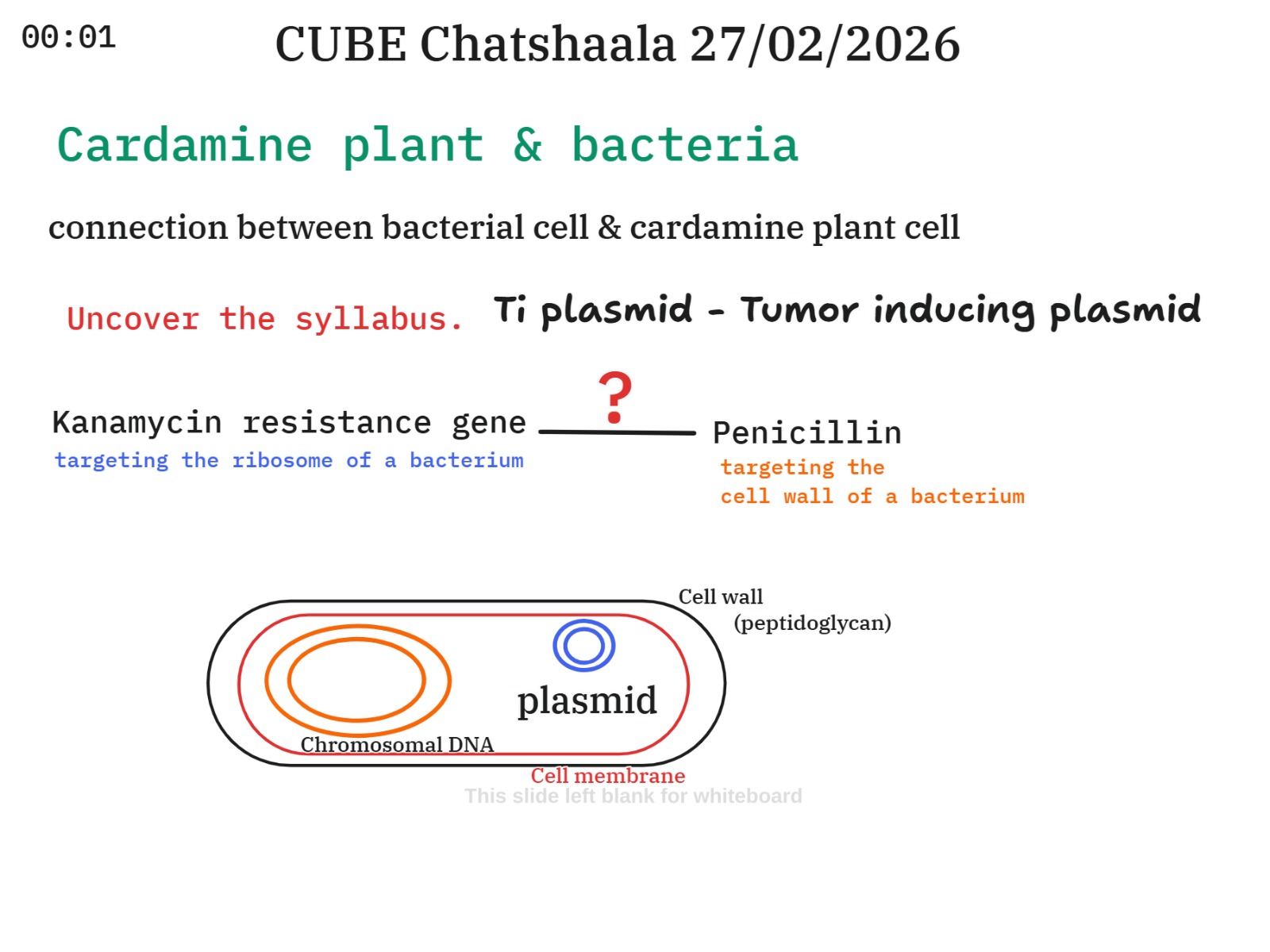
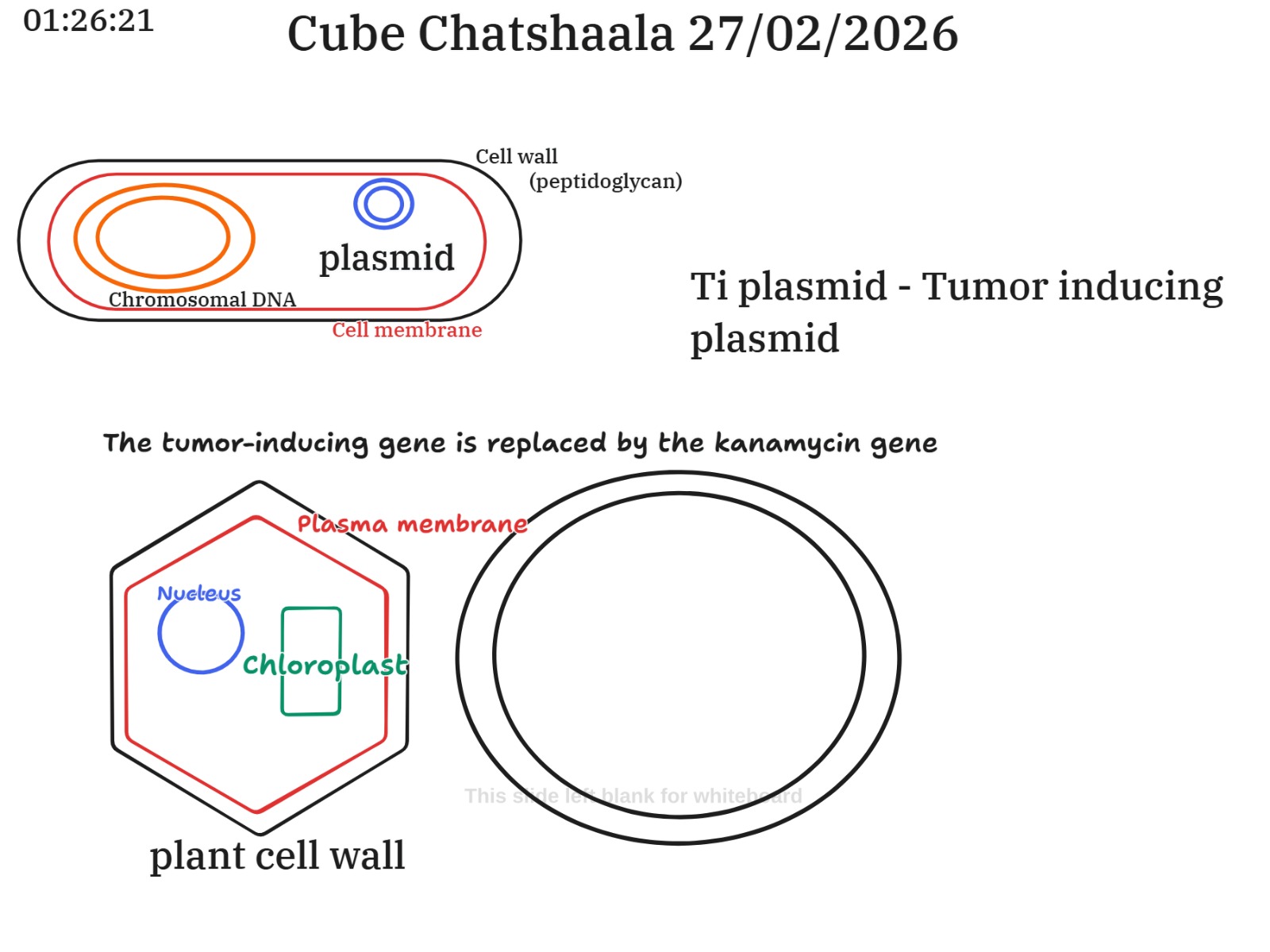
The CUBE ChatShaala session on 27 February 2026 focused on the fascinating interplay between bacterial cells and plant cells, particularly in the context of Cardamine hirsuta and Agrobacterium tumefaciens. The discussion revolved around the Ti plasmid (tumor-inducing plasmid) and its role as a natural genetic engineering tool. Cubists examined how the tumor-inducing gene within the plasmid can be replaced with a beneficial gene, such as the kanamycin resistance gene, to study genetic transformation in plants.
The conversation highlighted the mechanisms of antibiotic action:
- Kanamycin targets the ribosome of bacteria, interfering with protein synthesis.
- Penicillin targets the bacterial cell wall, disrupting peptidoglycan synthesis.
A key point of exploration was the floral dip method, where young flower buds of Cardamine are immersed in a suspension of Agrobacterium. The bacterium acts as a microscopic delivery vehicle, transferring a segment of its plasmid DNA into the plant’s genome. This integration occurs in the developing ovules, ensuring that the genetic modification is stable and heritable, passed on to future generations of Cardamine plants.
The diagrams presented during the session illustrated both bacterial and plant cell structures, emphasizing the plasmid’s role as a customized instruction manual. The group also discussed the broader implications of using antibiotic resistance markers in plant transformation experiments, raising questions about their relevance and limitations.
 Provocative Questions
-
If kanamycin resistance is used as a marker gene in plants, what does this reveal about the relationship between bacterial ribosomes and plant ribosomes?
-
Why is penicillin ineffective against plant cells, and what does this tell us about structural differences between bacterial and plant cell walls?
-
Could the floral dip method be considered a “shortcut” compared to traditional tissue culture-based transformation? What are its advantages and limitations?
-
How does the replacement of the tumor-inducing gene with a resistance gene alter the ecological role of Agrobacterium tumefaciens?
-
What ethical or ecological concerns might arise from introducing antibiotic resistance genes into plant genomes?
-
In what ways does Cardamine serve as a useful model system compared to Arabidopsis, and what unique insights might it provide?
 What I Have Learned
From today’s discussion, I gained a deeper understanding of how natural bacterial mechanisms are harnessed for genetic engineering in plants. The Ti plasmid is not just a curiosity of plant pathology but a powerful tool for biotechnology. The floral dip method demonstrates how simple immersion can lead to permanent genetic changes, highlighting the elegance of biological systems.
I also learned that antibiotics like kanamycin and penicillin serve as more than just medical tools—they are conceptual markers that help us understand cellular machinery and structural differences between organisms. This dual role of antibiotics, both practical and educational, enriches their significance in scientific exploration.
 TINKE Moments (This I Never Knew Earlier)
-
Plasmid as a Delivery Vehicle: The idea of Agrobacterium acting like a microscopic courier, delivering genetic instructions into plant ovules, reframes the bacterium from pathogen to collaborator.
-
Heritability of Transformation: Learning that DNA introduced during the floral dip integrates into reproductive cells, ensuring transmission to the next generation, was a striking realization.
-
Antibiotic Action as a Teaching Tool: The juxtaposition of kanamycin (ribosome target) and penicillin (cell wall target) provided a clear comparative framework for understanding bacterial vulnerabilities.
-
Cardamine as a Model Plant: Discovering its close relationship to Arabidopsis while offering unique experimental advantages was an eye-opener.
 Gaps and Misconceptions
-
Unclear Connection Between Kanamycin and Penicillin: The slide left a question mark between these two antibiotics, suggesting that participants were still grappling with how these distinct mechanisms might be conceptually linked in the syllabus.
-
Plant vs. Bacterial Ribosomes: Some confusion remains about whether kanamycin resistance in plants directly reflects ribosomal differences or simply acts as a selectable marker.
-
Overlooking Ecological Impact: While the technical process was well explained, less attention was given to the ecological and ethical implications of spreading antibiotic resistance genes through plant systems.
 Reference
- https://byjus.com/biology/what-does-bacterial-plasmid-contains/
- https://www.riken.jp/medialibrary/riken/research/rikenresearch/figures/low_3081.jpg
- Cardamine: A Close Relative of Arabidopsis - #2 by Theertha
- How Kanamycin affects Bacteria and Plants?
- translation / RNA translation | Learn Science at Scitable