CUBE ChatShaala – 18 December 2025
Academic calendars of NEP 2020 in colleges and mango mapping
 Meeting Summary
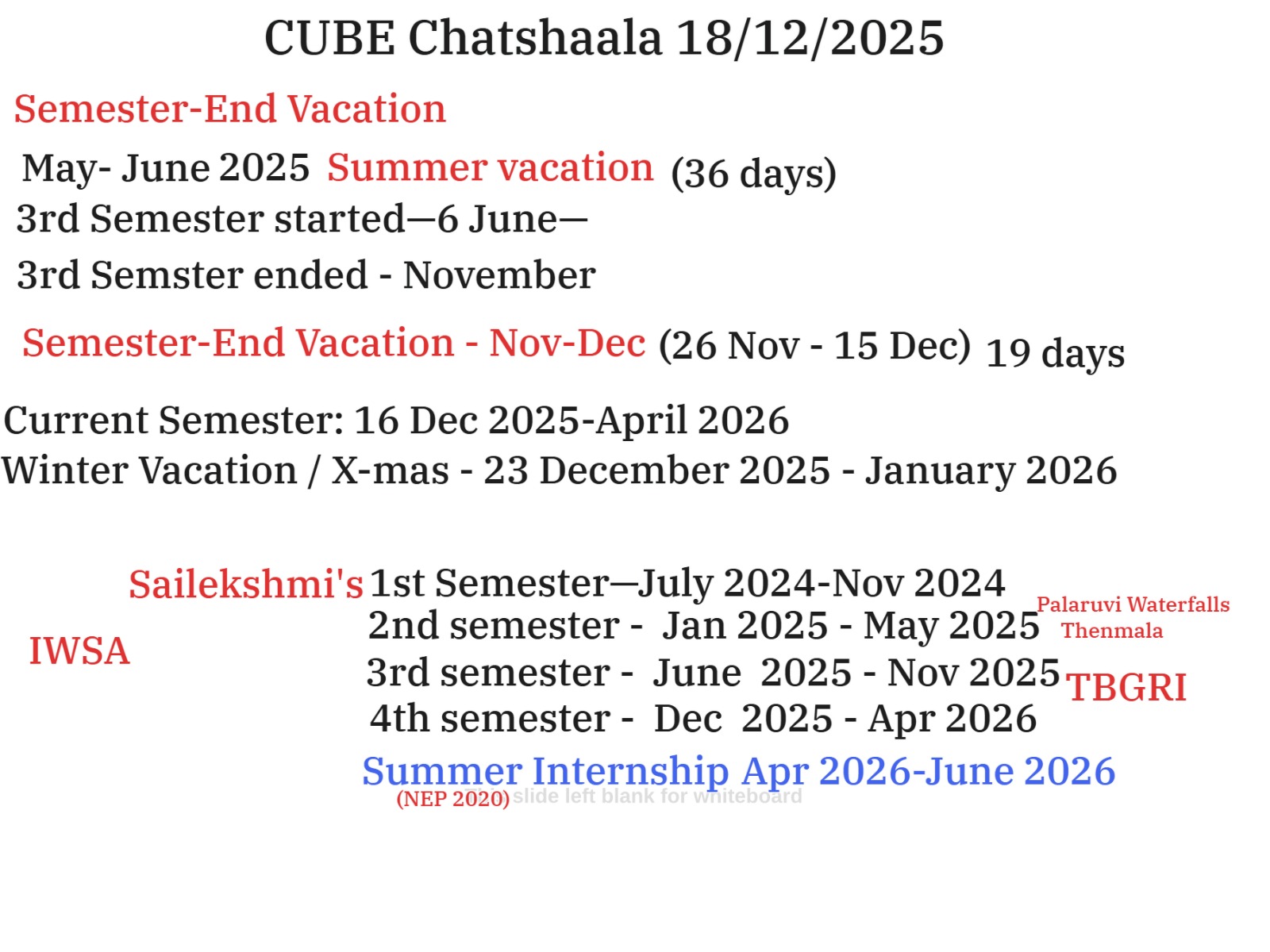
The CUBE ChatShaala session held on 18 December 2025 focused on aligning academic calendars with ongoing field-based biological observations, using mango flowering as a live, data-driven case study. The discussion opened with Sailekshmi, a clear mapping of semester timelines, vacations, and internship windows under the NEP framework, situating student participation within realistic academic rhythms rather than abstract schedules.
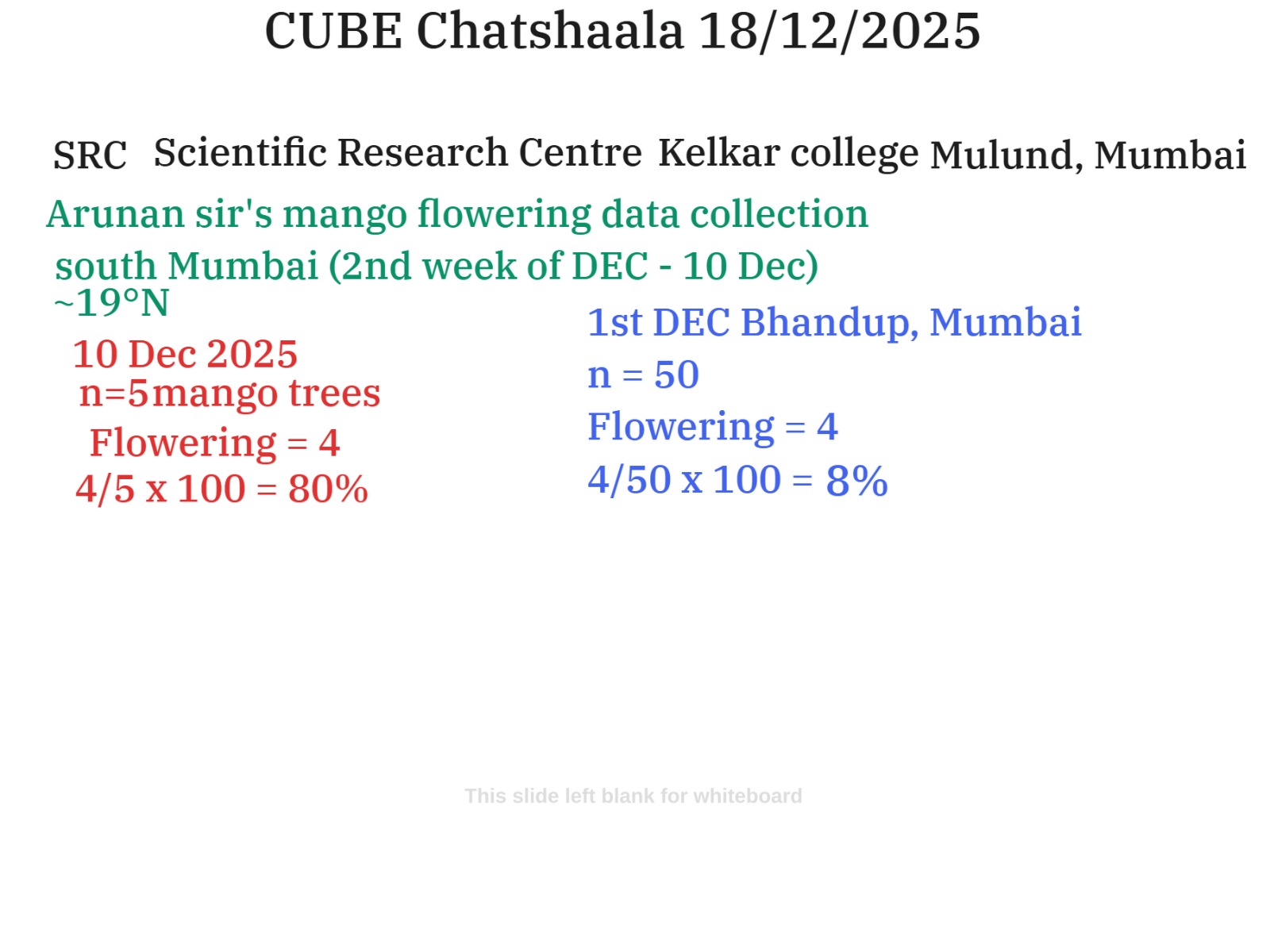
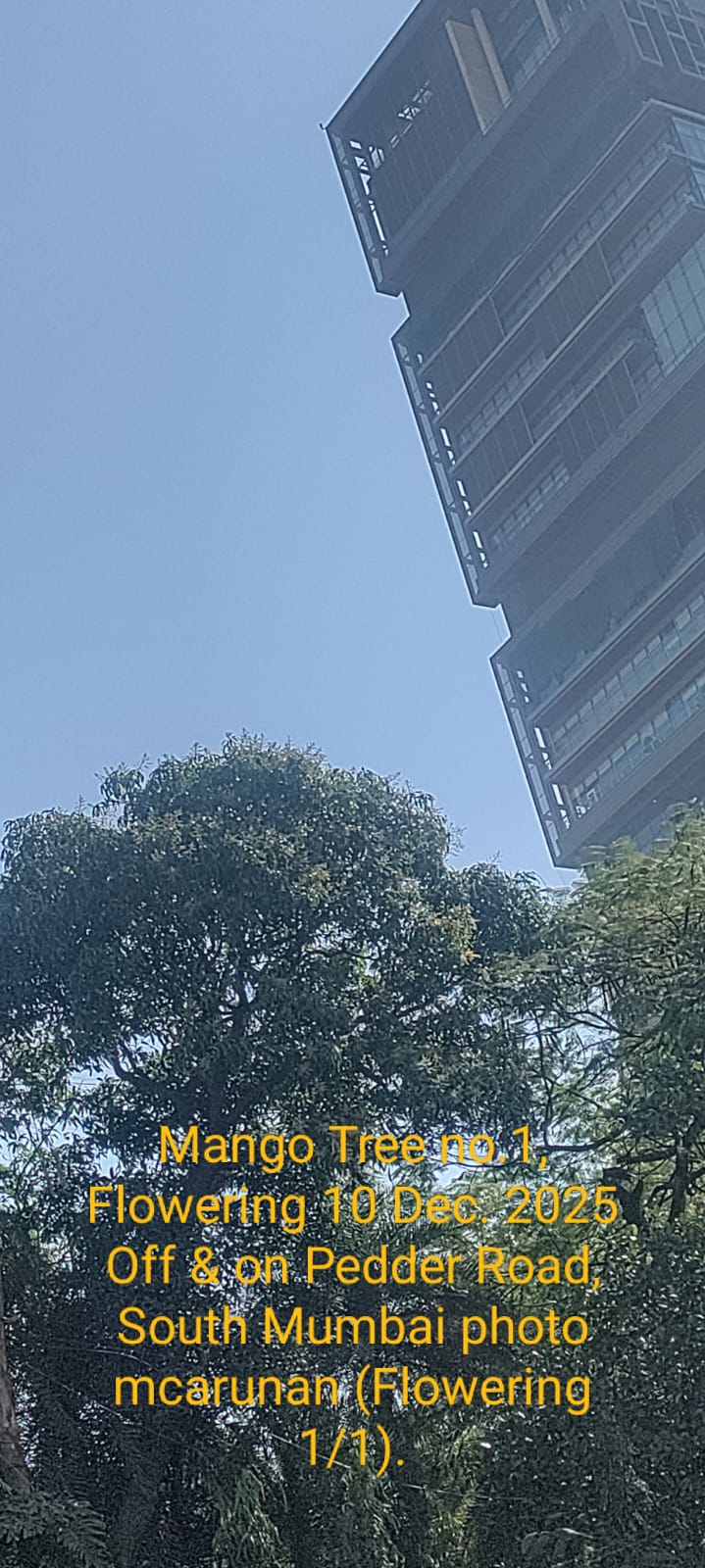
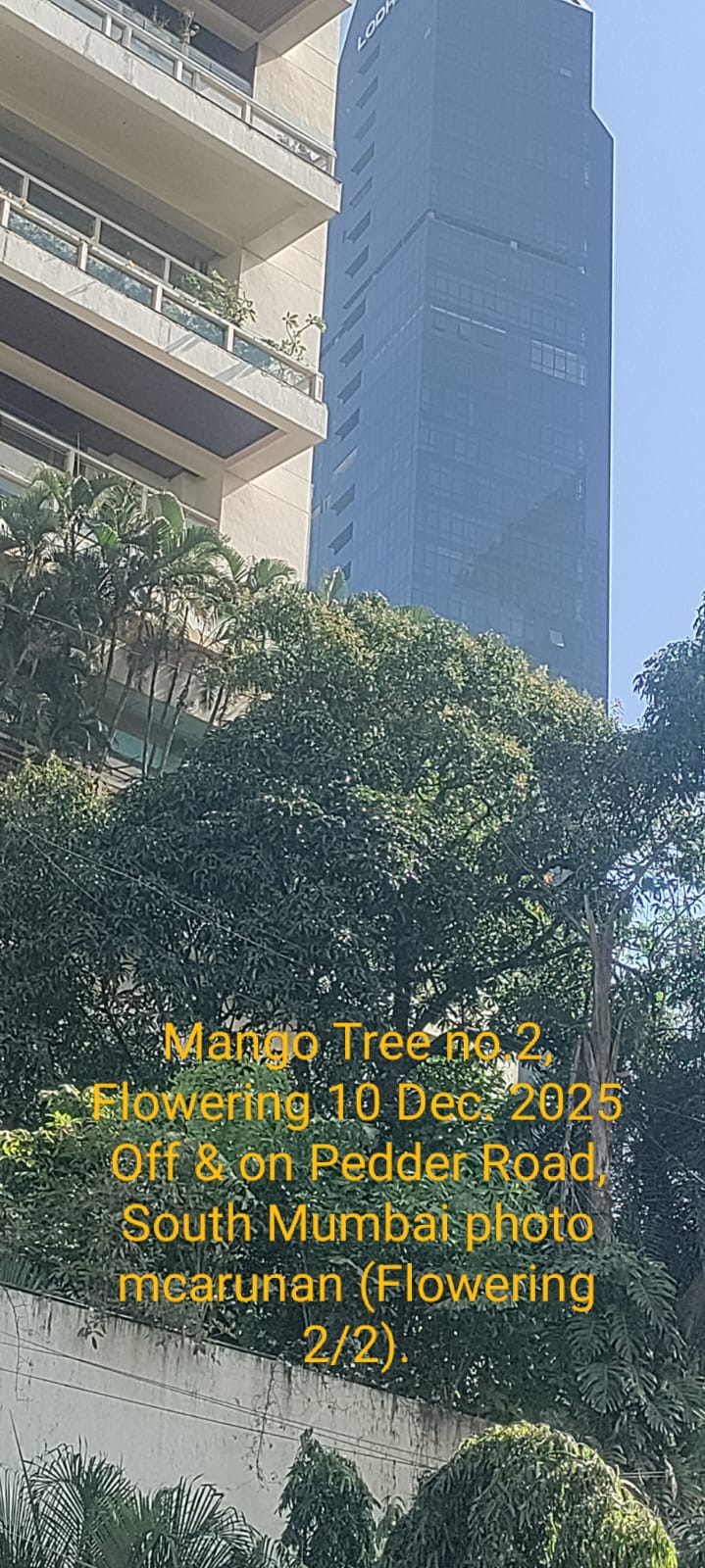
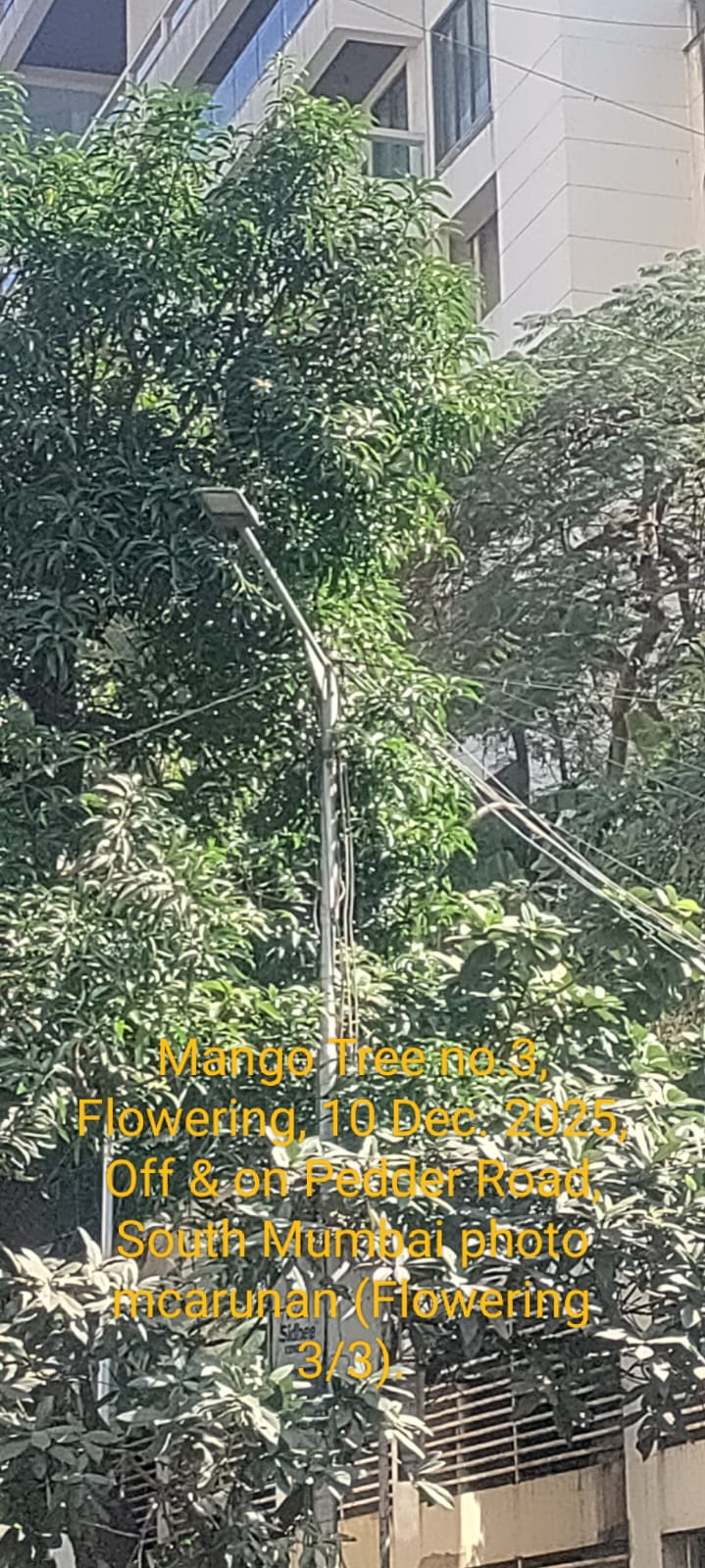
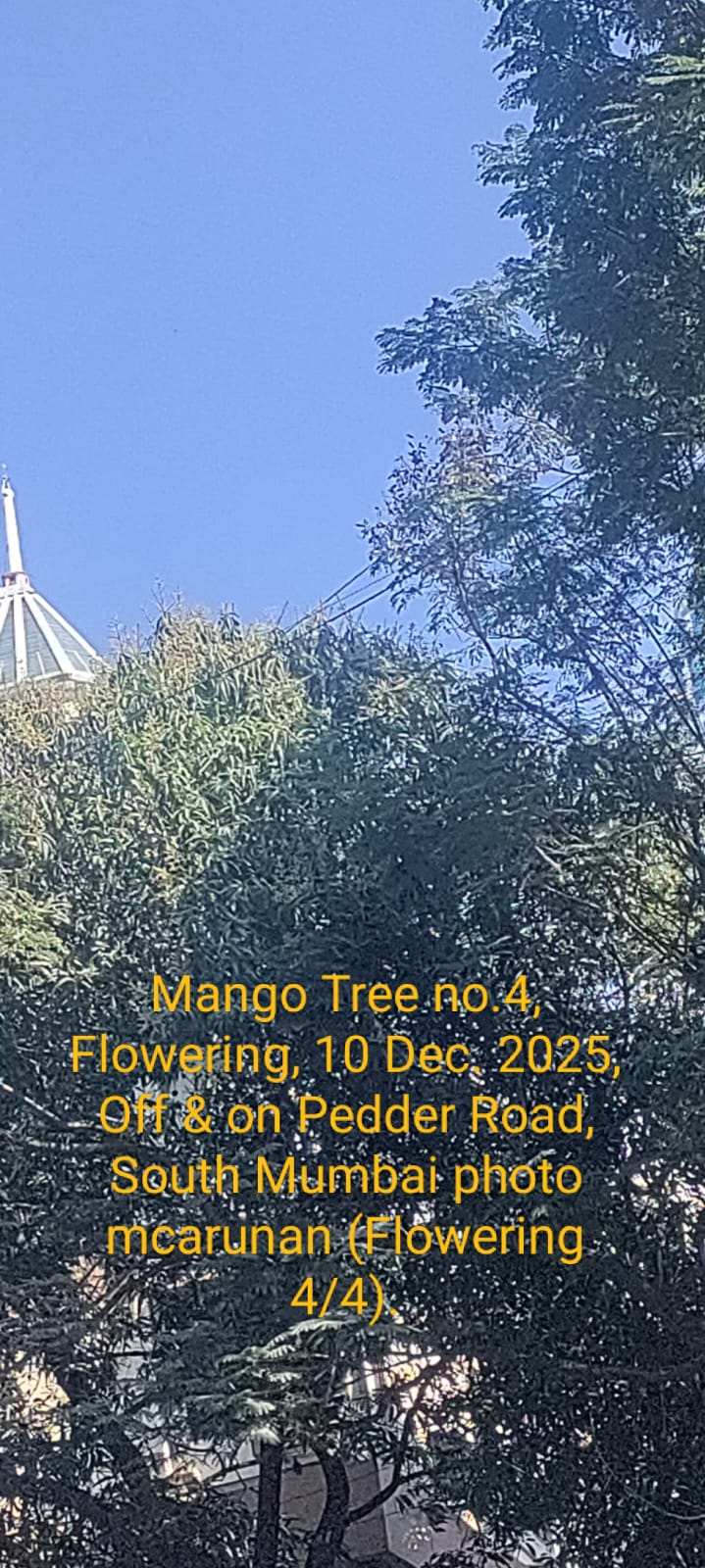
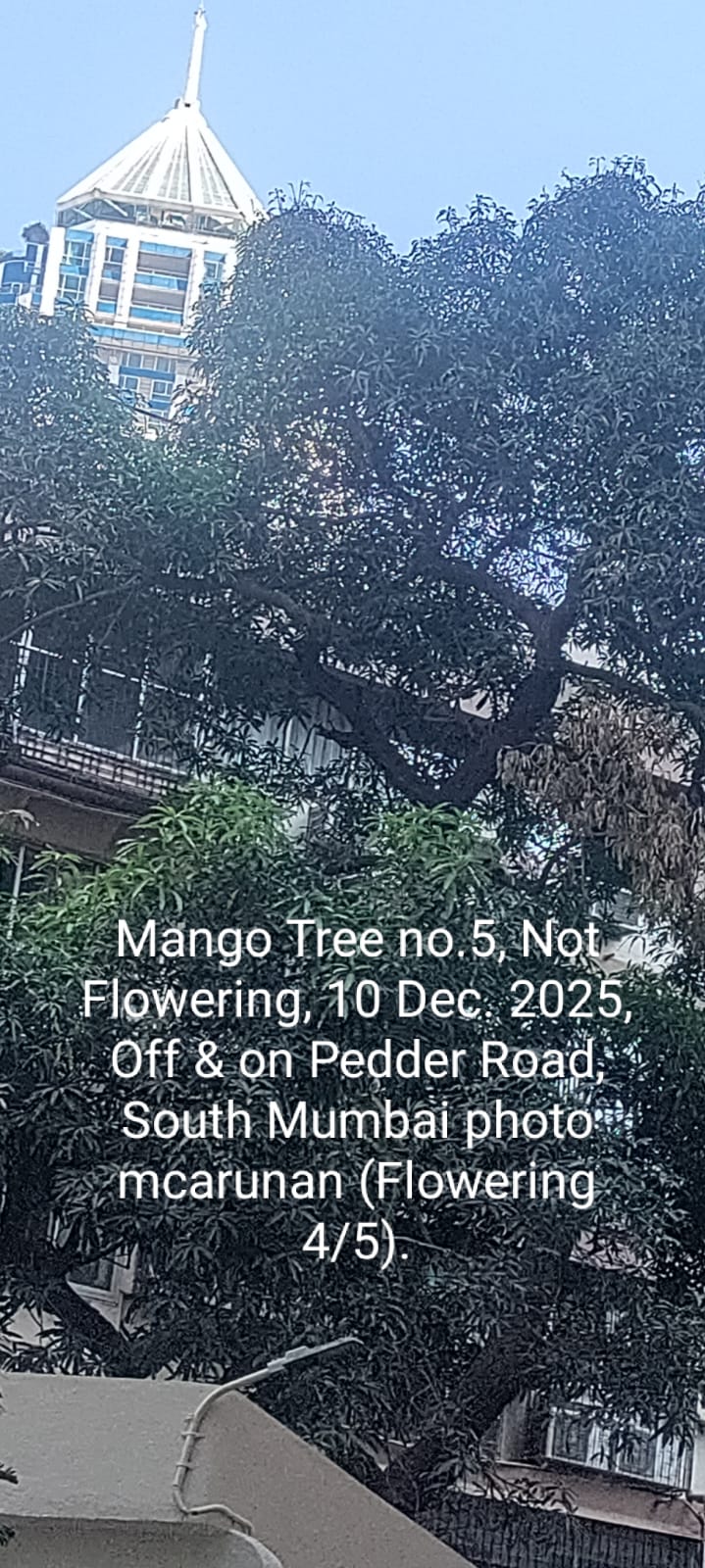
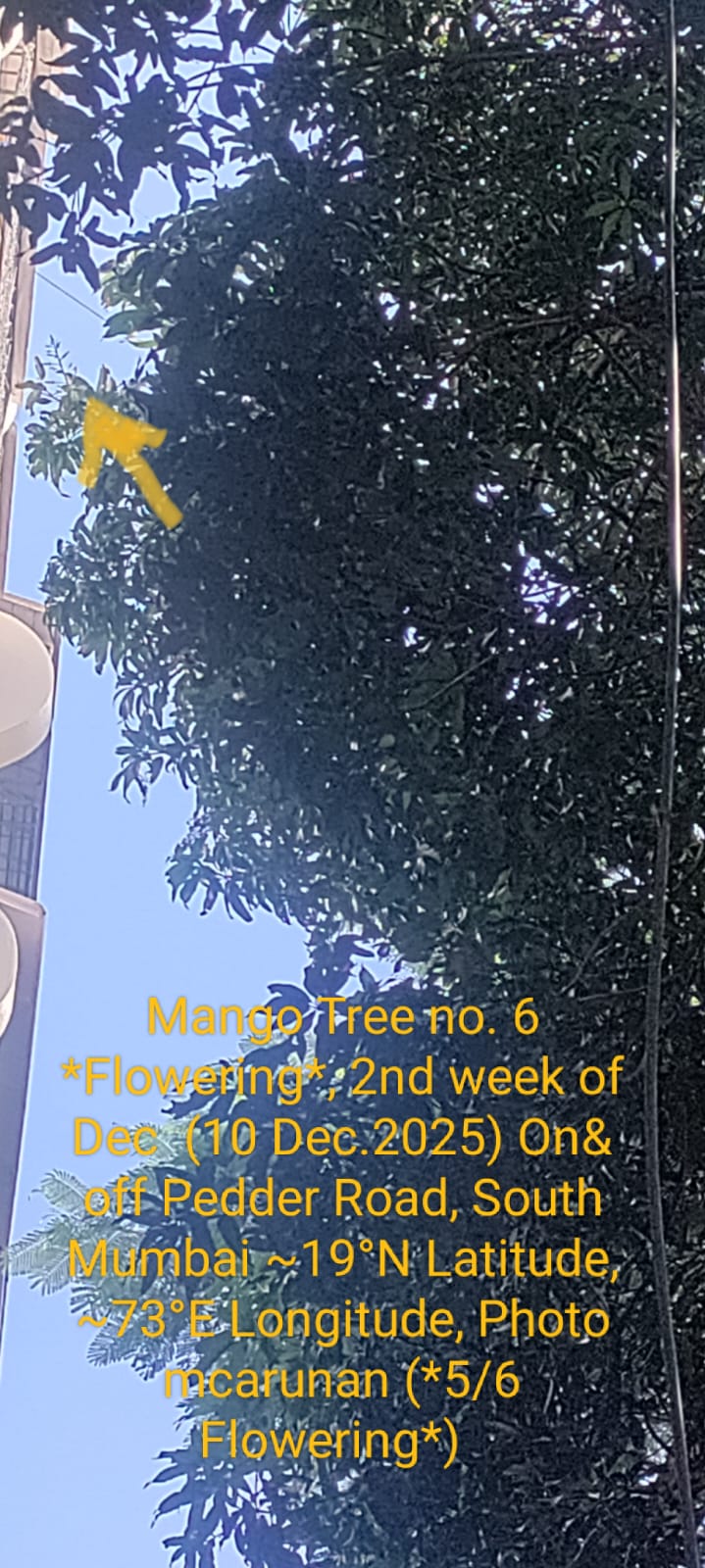
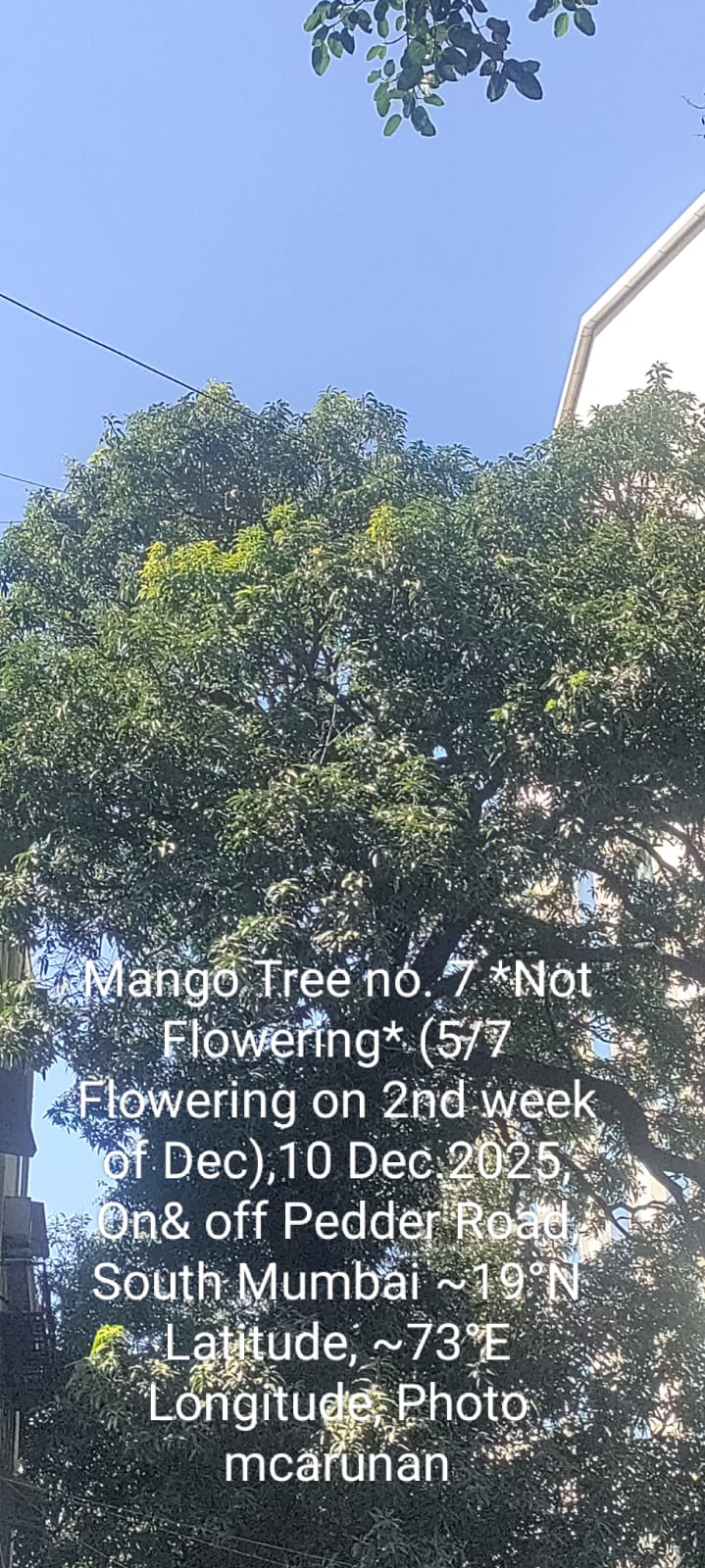
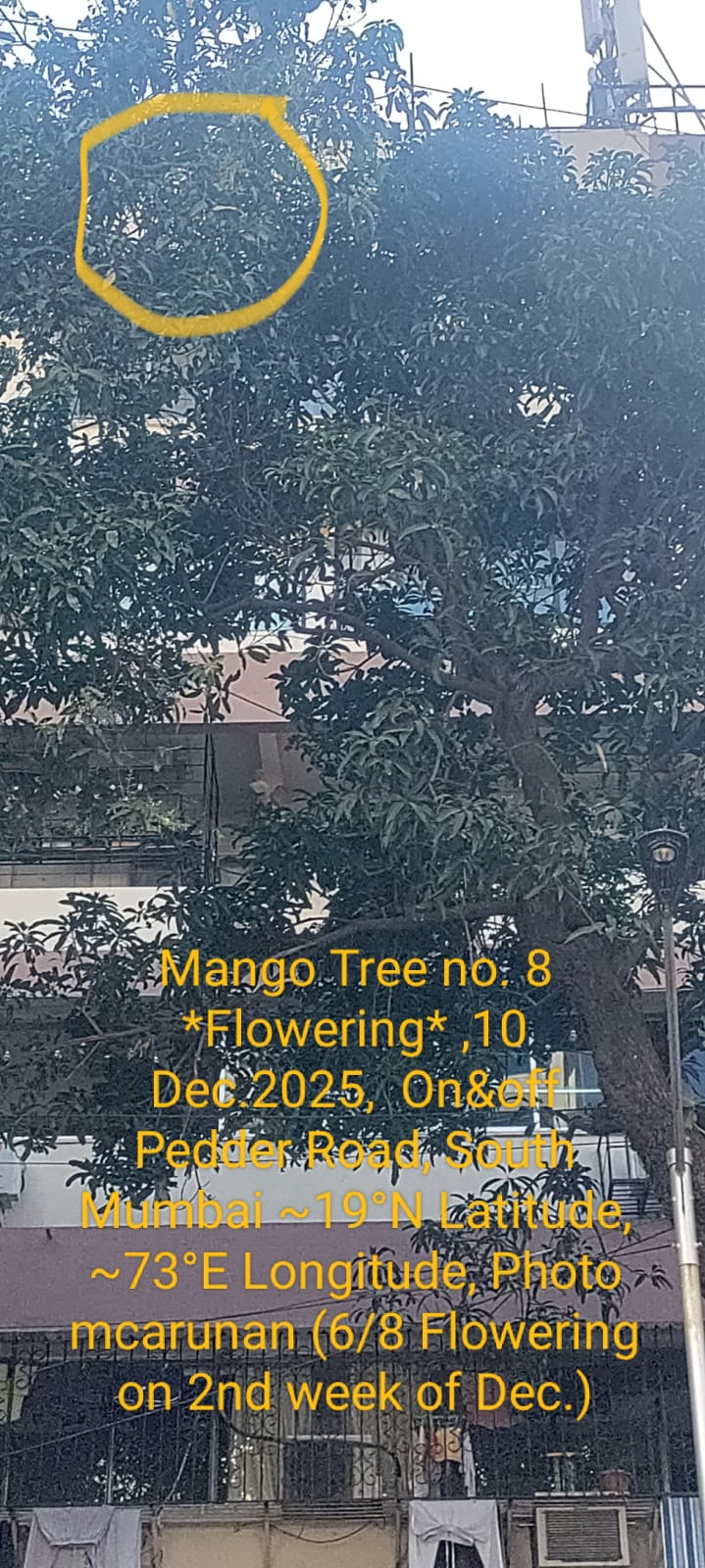
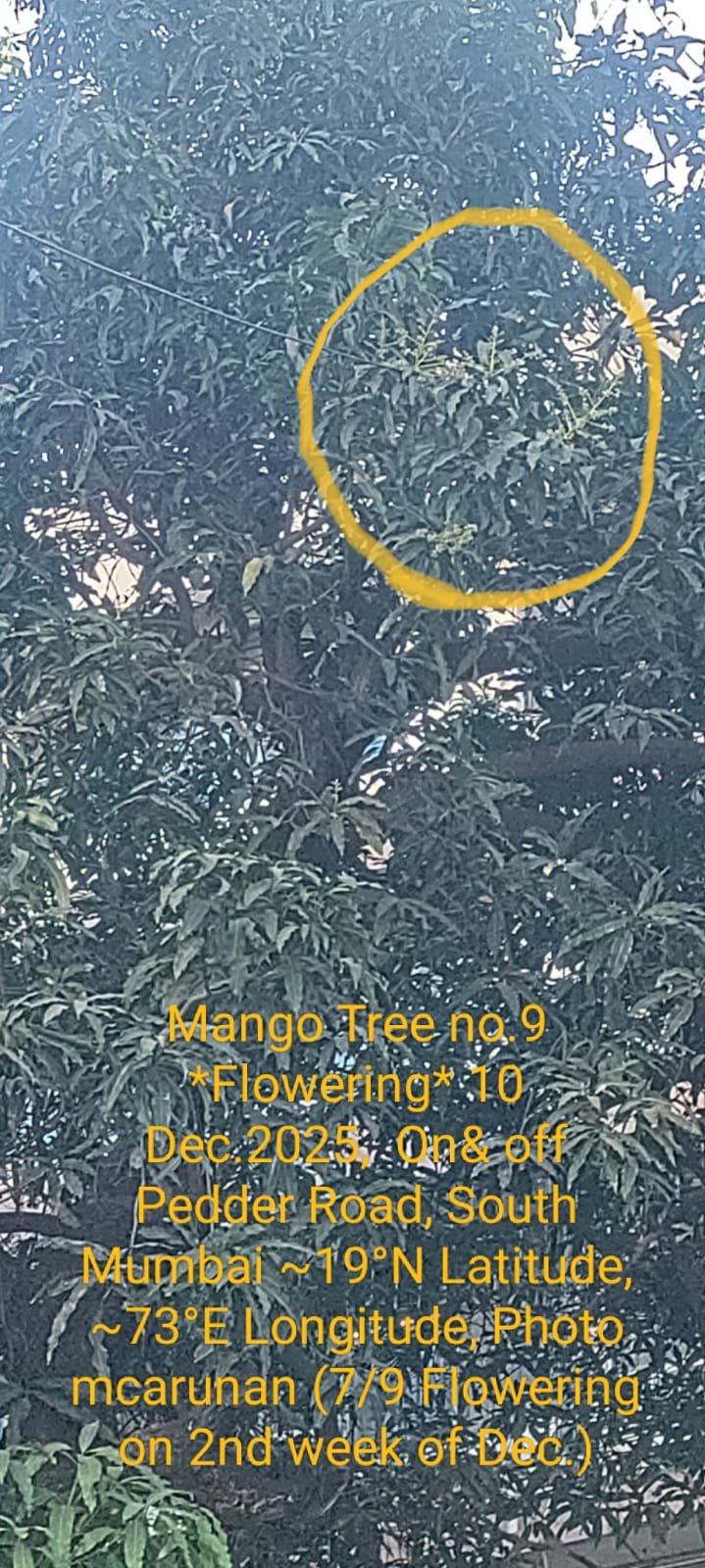
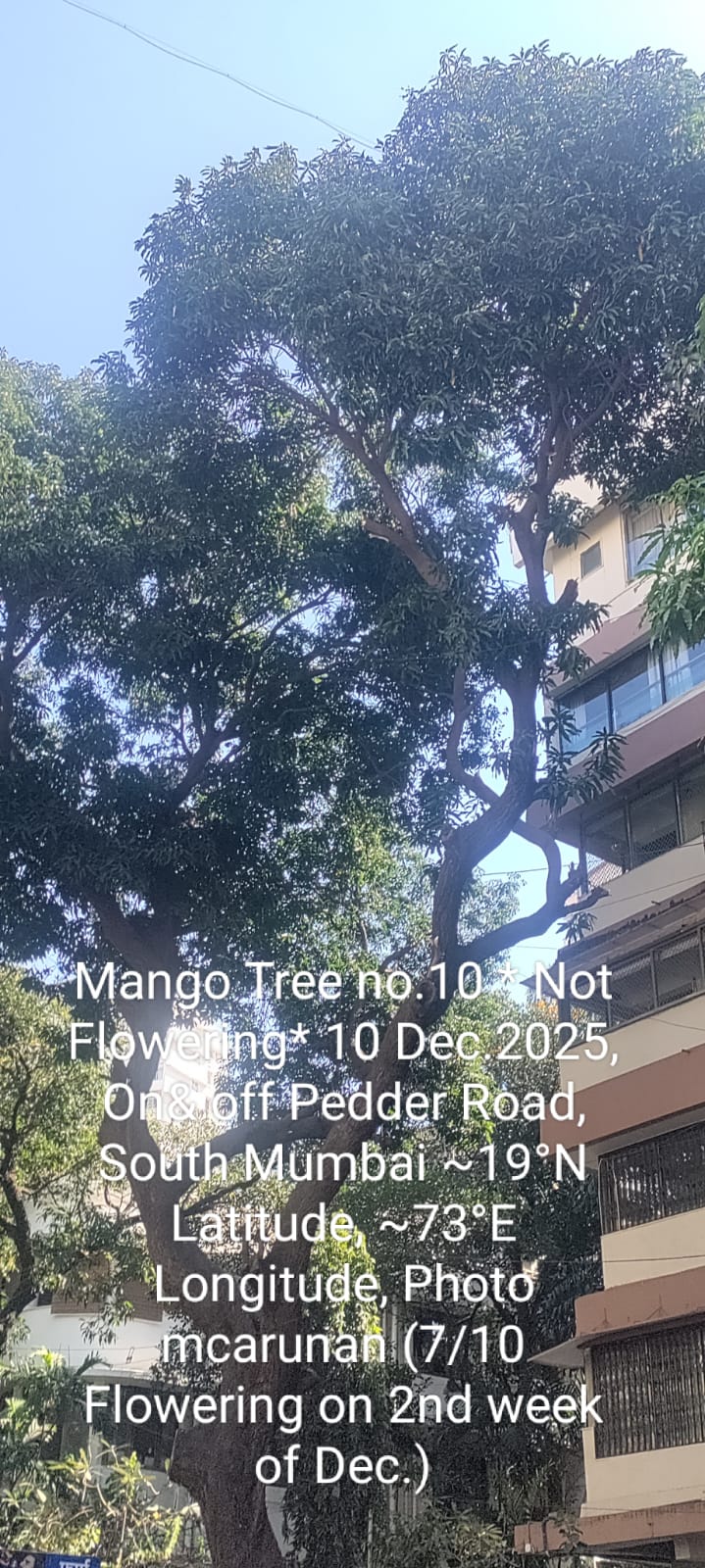
A key scientific segment centered on mango flowering observations collected by Arunan sir and collaborators from two locations in Mumbai at approximately 19°N latitude. Data from South Mumbai (10 December 2025, sample size: 5 trees) showed flowering in 4 trees, indicating an 80% flowering incidence. In contrast, data from Bhandup West, Mumbai (1 December 2025, sample size: 50 trees) recorded flowering in only 4 trees, corresponding to 8%.
This stark contrast, despite geographical proximity, became the focal point of discussion. Participants examined how sampling size, microclimate, urban heat effects, tree age, and management practices can significantly influence biological outcomes. The session emphasized that latitude alone does not dictate phenology; instead, local environmental context and methodology critically shape observed patterns.
The meeting concluded with a reinforcement of CUBE’s core philosophy: learning biology by seeing, counting, comparing, and questioning—not merely by memorizing textbook generalizations.
What I Learned Today
-
Biological patterns such as flowering cannot be understood without considering scale and sample size.
-
Two datasets from the same latitude can tell completely different stories depending on local conditions.
-
Academic calendars and real-world science are not separate; meaningful research must fit within students’ lived academic timelines.
-
Percentages without context can mislead, while raw observations invite deeper inquiry.
 TINKE Moments (Things I Never Knew Earlier)
-
A smaller sample can exaggerate apparent trends, while a larger sample may reveal hidden variability.
-
Urban microclimates can override broader climatic expectations like latitude.
-
Phenology is as much about where and how you observe as when you observe.
-
Vacations and semester breaks are not gaps in learning but opportunities for sustained field observation.
 Gaps and Misconceptions That Emerged
-
The assumption that latitude alone determines mango flowering timing.
-
The belief that percentage values are meaningful without understanding sample size.
-
Confusion between “early flowering” and “higher flowering intensity.”
-
Underestimating the role of urban environmental heterogeneity in biological studies.
 Provocative Queries from the Whiteboard
-
If 80% flowering and 8% flowering come from the same latitude, which one reflects reality—or do both?
-
Are we over-teaching latitude while under-teaching local climate, management, and observation bias?
-
When does a small dataset become misleading rather than insightful?
-
How often do living systems quietly break the rules we assign to them?
-
What discoveries are possible only when classrooms are closed?
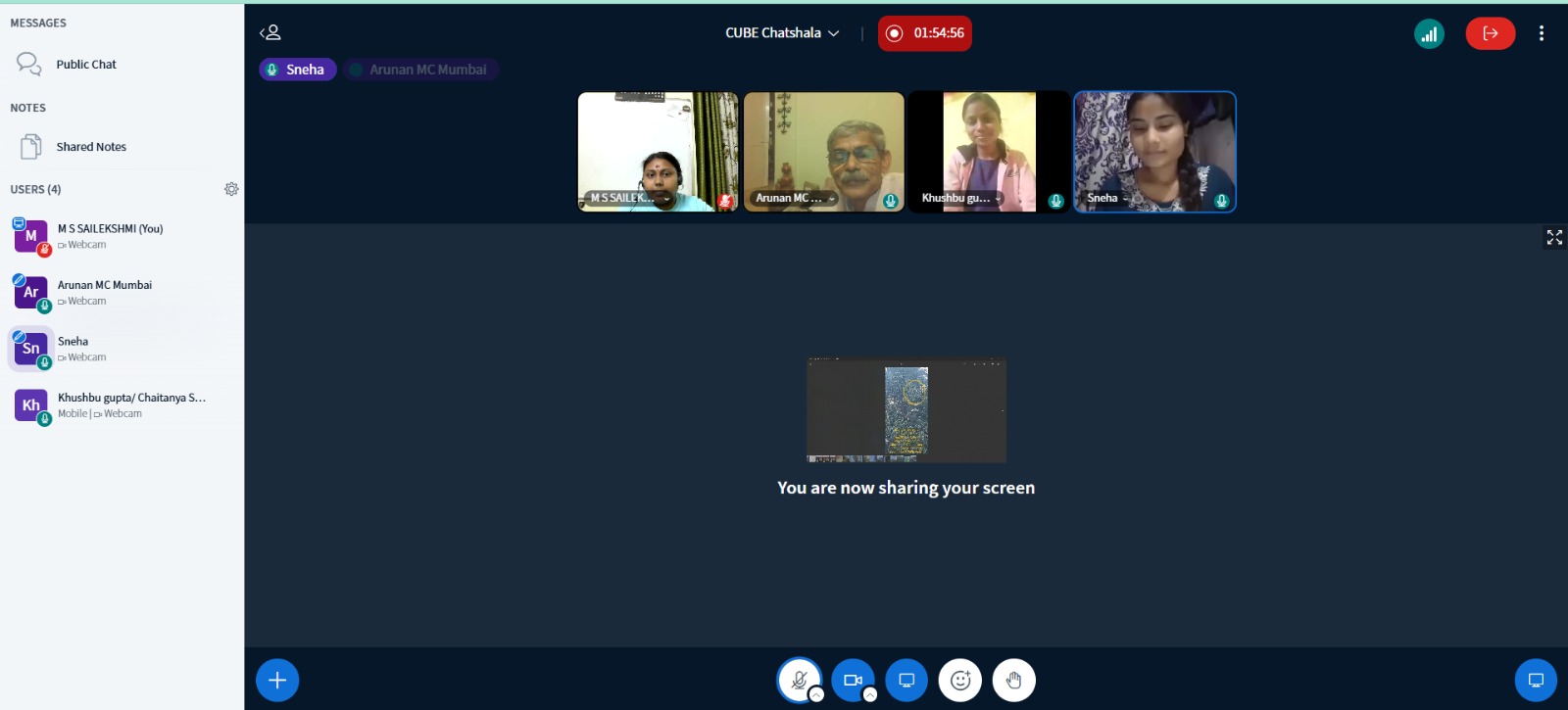
 Photographs during Chatshaala

 Date collection of Mango flowering
- Arunan MC - Beach Candy, South Mumbai, Maharashtra