 CUBE ChatShaala Summary – 11 December 2025
Theme 1: Moina macrocopa JSK1 – Oil–Water Behaviour & Species Identification
Theme 2: Sensory Biology – Antennae in Cockroaches vs. Moina
Theme 3: Cardamine hirsuta – Field Notes & Observation Skills
Today’s discussions combined hands-on observations with conceptual reasoning, connecting simple experiments to broader biological principles.
1. Oil–Water Experiment with Moina macrocopa JSK1
Participants reviewed the continuation of the oil–water behavioural study.
-
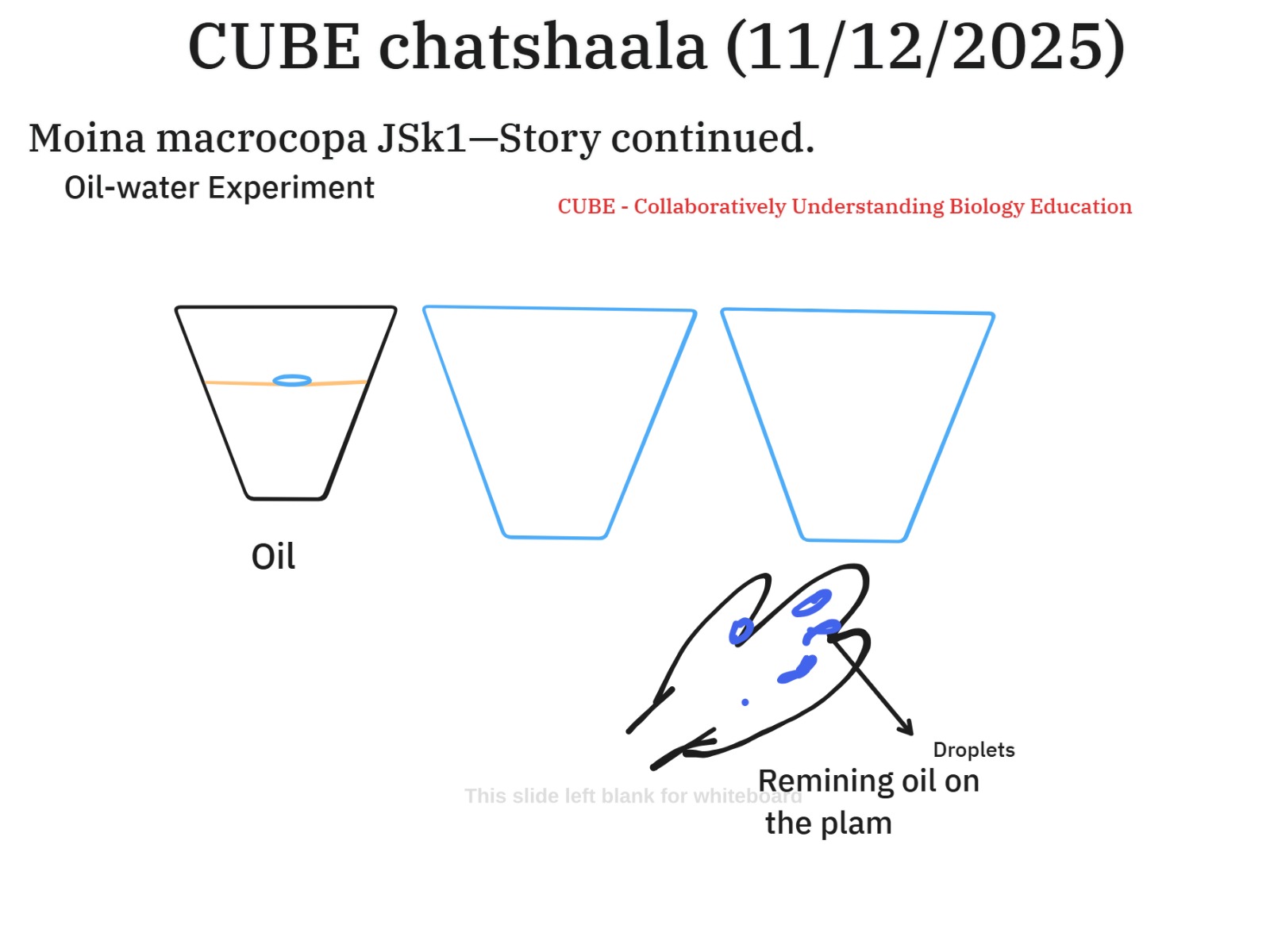
Visualizations showed how a thin oil layer remained on the observer’s palm as small droplets, reflecting how oil residues might behave similarly on water surfaces in experimental setups.
-
The central question was whether Moina can cross an oil barrier, and what this reveals about behavioural responses, buoyancy, and surface tension.
-
Participants deliberated on how oil presence might influence mobility, feeding behaviour, and survival, especially in the context of pollution studies.
2. Species Identification Using DNA & RNA
The group revisited plans for DNA extraction, with a new proposal to attempt RNA extraction as well.
-
The focus was on strengthening the species identity of the Moina variant cultivated in the community labs.
-
The session emphasized the importance of clean sampling, small-volume extraction, and preservation challenges, especially when working with tiny organisms.
3. Cardamine hirsuta – Identifying Wild Herb Plants
A quick field-identification segment explored Cardamine hirsuta, a common wild herb.
-
Hand-drawn sketches helped clarify the leaf arrangement, growth habit, and general morphology.
-
The discussion highlighted the need for structured observation when verifying plant identities using visible characters.
4. Comparing Antennae: Cockroach vs. Moina
This segment encouraged thinking across species.
-
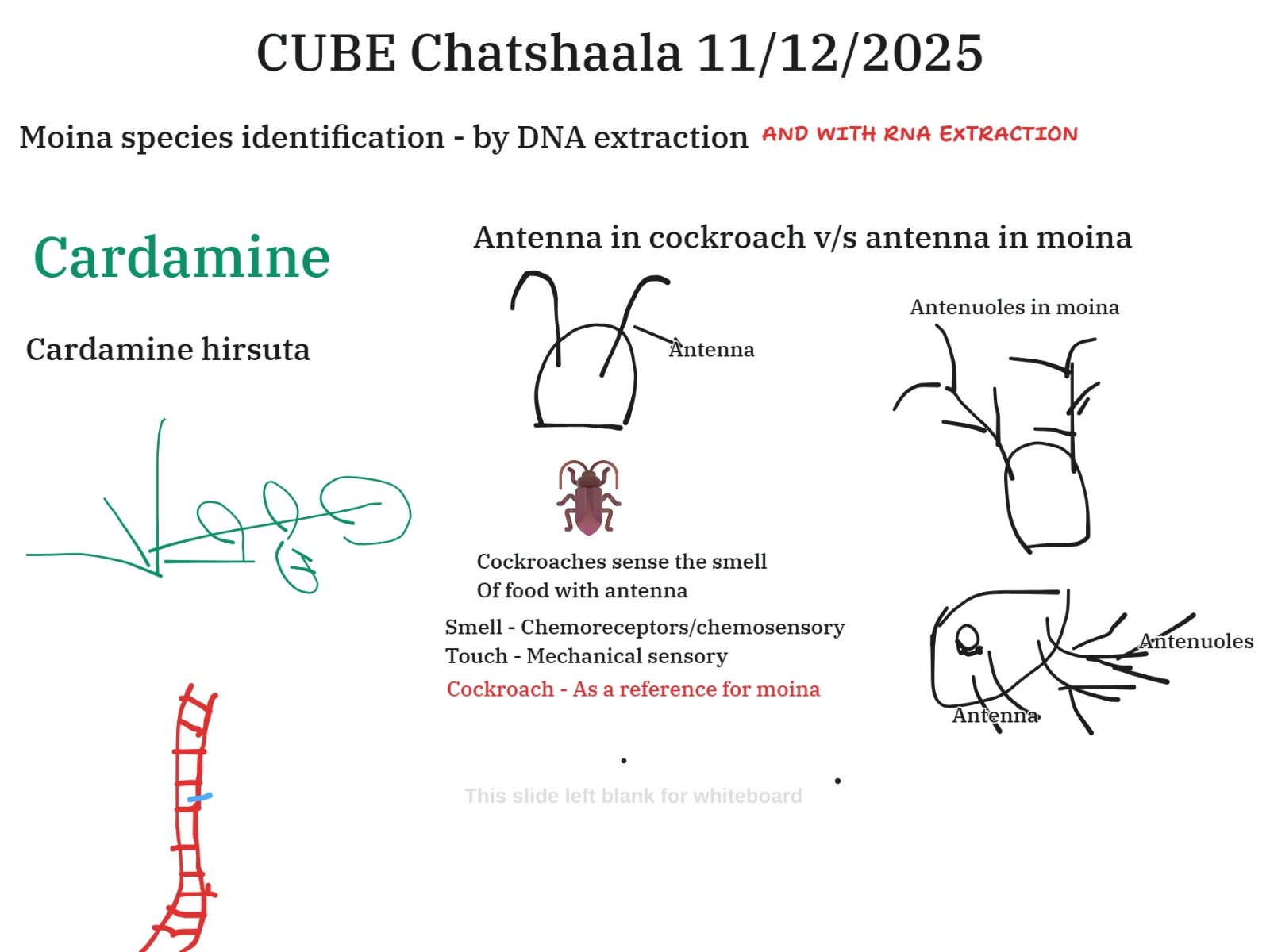
Cockroach antennae were used as a reference model to understand sensory structures in Moina.
-
In cockroaches:
- Chemoreceptors allow them to sense food odours.
- Mechanoreceptors support tactile feedback.
-
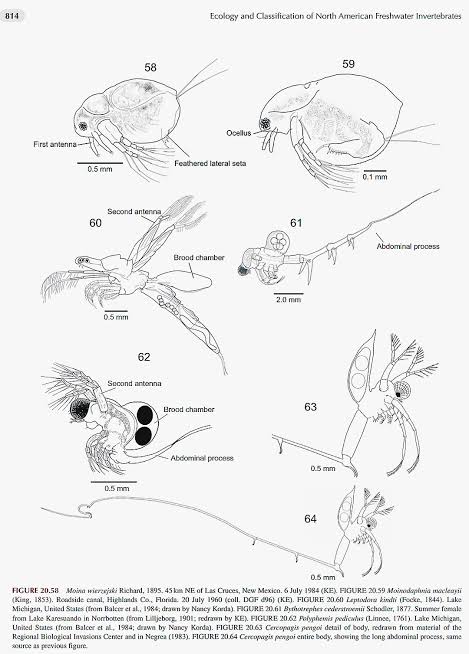
In Moina, antennae and antennules serve roles in locomotion, sensing, and environmental response.
-
Participants analyzed simple sketches to distinguish structural differences and hypothesize functional similarities.
 TINKE Moments (Today I Never Knew Earlier)
-
Realizing that oil droplets on the skin mimic surface tension interactions similar to those experienced by Moina in the container.
-
Discovering that RNA extraction for tiny organisms is feasible, opening doors to gene-expression studies even in community settings.
-
Understanding that antennae serve as both sensory and mechanical organs, with different species using them in remarkably adapted ways.
-
Appreciating how simple line drawings can reveal complex biological ideas when used thoughtfully.
 What I Learned Today
-
How structural features like antennae and antennules influence behaviour in minute aquatic organisms.
-
The importance of layered experiments (oil–water interfaces) to understand environmental interactions.
-
How comparing organisms (cockroach ↔ Moina) helps translate familiar biology to lesser-known species.
-
The value of combining field botany, molecular biology, and behavioural ecology within a single conversation.
 Gaps and Misconceptions Identified
-
Some assumptions suggested that oil would fully block Moina movement, but behaviour likely depends on oil viscosity, layer thickness, and surface tension, requiring controlled trials.
-
There was initial confusion between antenna and antennule roles, which the group later clarified.
-
A misconception emerged that RNA extraction requires large samples; in reality, micro-organisms can yield enough RNA with optimized protocols.
-
Plant identification sketches indicated uncertainty about leaf vs. leaflet structures in Cardamine, hinting at the need for more structured botanical reference work.
 Provocative Questions for the Community
-
How can small amounts of water spread across the surface of the oil?
-
How can comparing cockroach and Moina antennae uncover hidden sensory worlds?
-
What overlooked plants around us could become powerful teaching tools?
-
What practical challenges must we overcome to complete a successful extraction at home?
 photographs during Chatshaala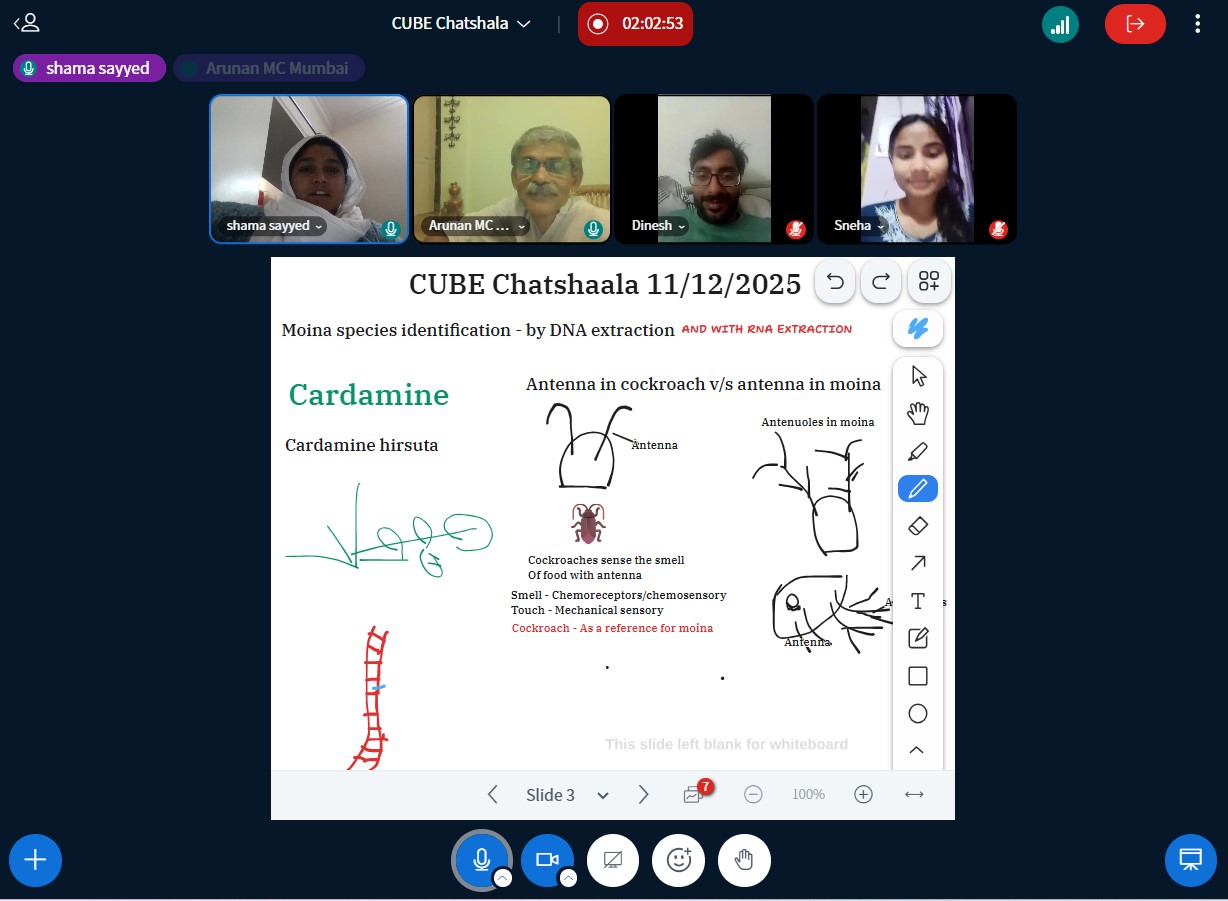
 Reference