 ChatShaala Summary – 5 June 2026
 Exploring Rhizobium, Bacterial Isolation, Streaking Technique
 , and Home-Based Microbiology Experiments
The ChatShaala session held on 5 June 2026
Focused on understanding beneficial soil microorganisms, microbiological culture techniques, and innovative methods for observing bacterial growth using simple materials available at home. The discussion connected laboratory microbiology concepts with practical homelab activities, encouraging scientific observation and documentation.
 1. Beneficial Role of Rhizobium Bacteria in Soil
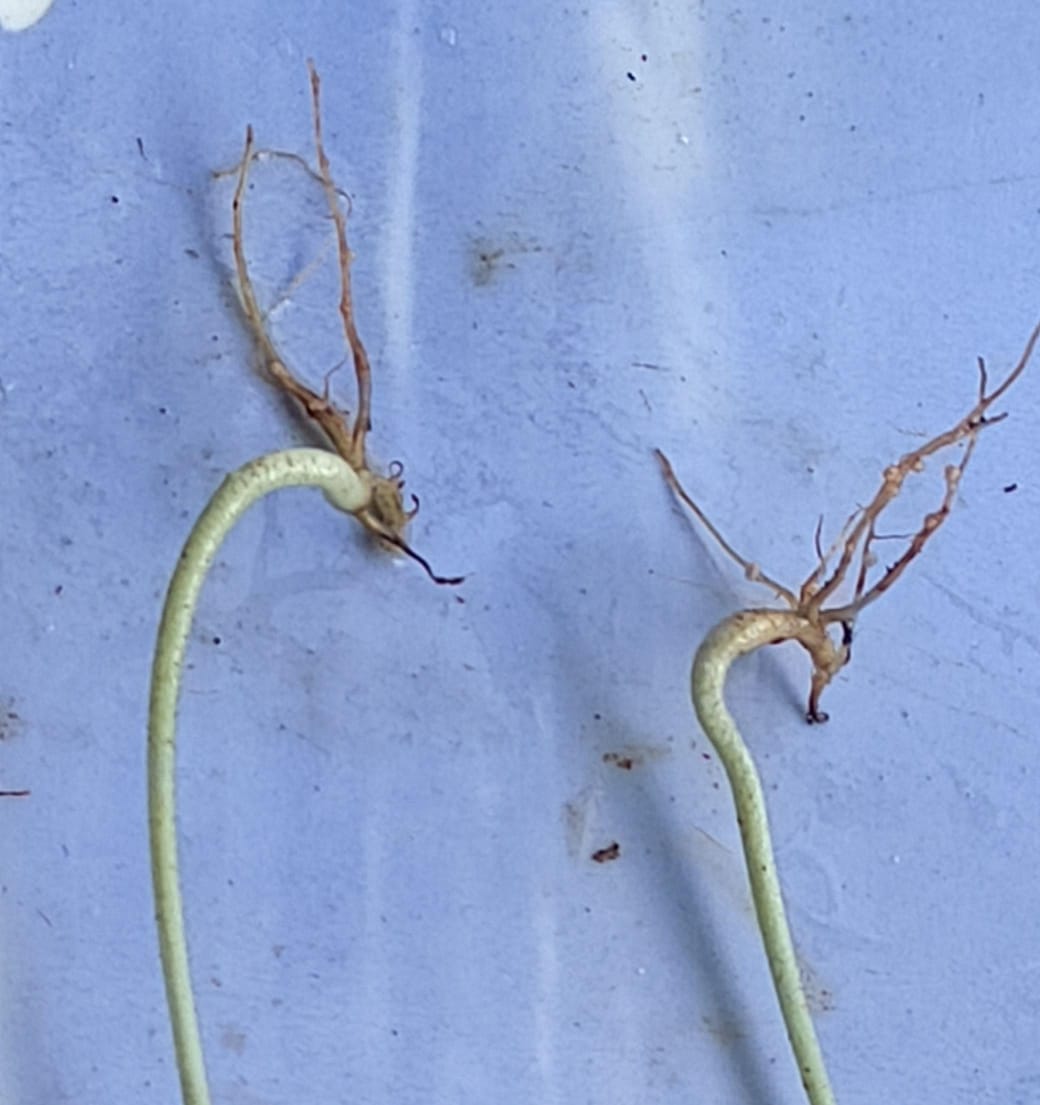
 Clicked by:- @mcarunan
Date of sowing green gram seeds:-05/05/2026
The session began with a discussion on Rhizobium bacteria, which are beneficial microorganisms associated with the roots of leguminous plants such as pea, gram, bean, and fenugreek. These bacteria live inside specialized structures called root nodules and perform the important process of biological nitrogen fixation. They convert atmospheric nitrogen into forms that plants can absorb and utilize for growth. Participants discussed how the population of Rhizobium in soil can vary depending on soil type, moisture, organic matter content, and the presence of suitable host plants. The mutual relationship between Rhizobium and legumes was explored, highlighting how both organisms benefit from this association.
2. Understanding the Streaking Technique on Petri Plates
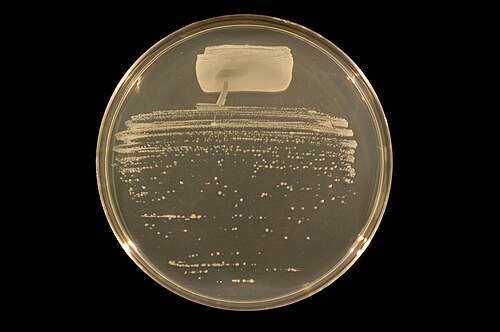
 Reference photo send by @Niharika_00
The discussion then shifted to the streaking technique, a fundamental microbiological method used to separate mixed bacterial populations and obtain individual bacterial colonies. Through successive streaking patterns on a nutrient medium, the number of bacterial cells deposited decreases, allowing isolated colonies to develop. Participants examined how this technique helps scientists study pure cultures and identify different microorganisms present in a sample.
3. Importance of Sterilizing the Inoculation Loop
A detailed explanation was provided regarding the need to sterilize the inoculation loop before and after every transfer. Sterilization eliminates unwanted microorganisms that may contaminate the culture and ensures that only the intended bacteria are transferred. The repeated flaming of the nichrome loop helps maintain aseptic conditions, prevents cross-contamination between cultures, and improves the reliability of experimental observations. The concept of contamination and its effects on microbiological experiments was also discussed.
4. Nutrient Agar and Its Components
Participants learned about nutrient agar, one of the most commonly used culture media for bacterial growth. The discussion covered its major components, including peptone, beef extract (or yeast extract), sodium chloride, water, and agar. These ingredients provide essential nutrients, minerals, and a solid surface required for bacterial growth. The role of agar as a solidifying agent rather than a nutrient source was emphasized. The importance of selecting appropriate growth media for different microorganisms was also highlighted.
5. Isolating Bacterial Colonies Using Kitchen Tools and Potato Slices
Processing: Screenshot_20260605_205050.jpg…
Processing: Screenshot_20260605_213603.jpg…
An interesting part of the session focused on how microbiological observations can be adapted for homelab activities using easily available household materials. Historical examples from earlier CUBE experiment by @Theertha MD mam and @Enas were discussed, where boiled potato slices were used as a nutrient-rich surface for observing microbial growth. Participants explored how simple kitchen tools such as clean toothpicks, spoons, containers, and potato slices can be used for observational studies of microbial colonies. The activity demonstrated how scientific curiosity and careful documentation can be practiced even outside formal laboratory settings.
6. Why Potato Slices Can Support Microbial Growth
The group discussed why potato slices are useful for such experiments. Potatoes contain water, starch, minerals, and other nutrients that can support the growth of many microorganisms. When boiled, the potato surface becomes softer and more accessible for microbial colonization. Although potato slices are not a replacement for laboratory-grade nutrient agar, they can provide a simple platform for observing microbial growth patterns, colony appearance, and contamination under home-based conditions.
7. Types of Contamination Observed on Potato Slices
Processing: Screenshot_20260606_082727.jpg…
The final discussion focused on the different forms of contamination that may appear on potato slices in a home setup. Participants noted that various microorganisms from air, water, hands, utensils, and surrounding surfaces can colonize the potato. These may appear as white, cream, yellow, green, black, fuzzy, powdery, or slimy growths, indicating the presence of different bacteria, yeasts, or molds. The importance of maintaining cleanliness, using proper controls, and documenting changes through photographs and observations was emphasized. Such contamination studies help learners understand microbial diversity and the challenges involved in obtaining isolated cultures
Conclusion
The session successfully connected concepts of soil microbiology, nitrogen fixation, bacterial culture techniques, sterilization practices, nutrient media, and home-based microbial observation methods. By combining scientific theory with practical examples from CUBE homelabs, participants gained a deeper understanding of how microorganisms interact with plants, how bacterial colonies can be isolated, and how simple materials such as potato slices can be used to observe microbial growth and contamination patterns. The discussion encouraged careful observation, questioning, documentation, and scientific thinking as essential components of biological research.