 CUBE ChatShaala – Discussion Summary
Date: 7th May 2026
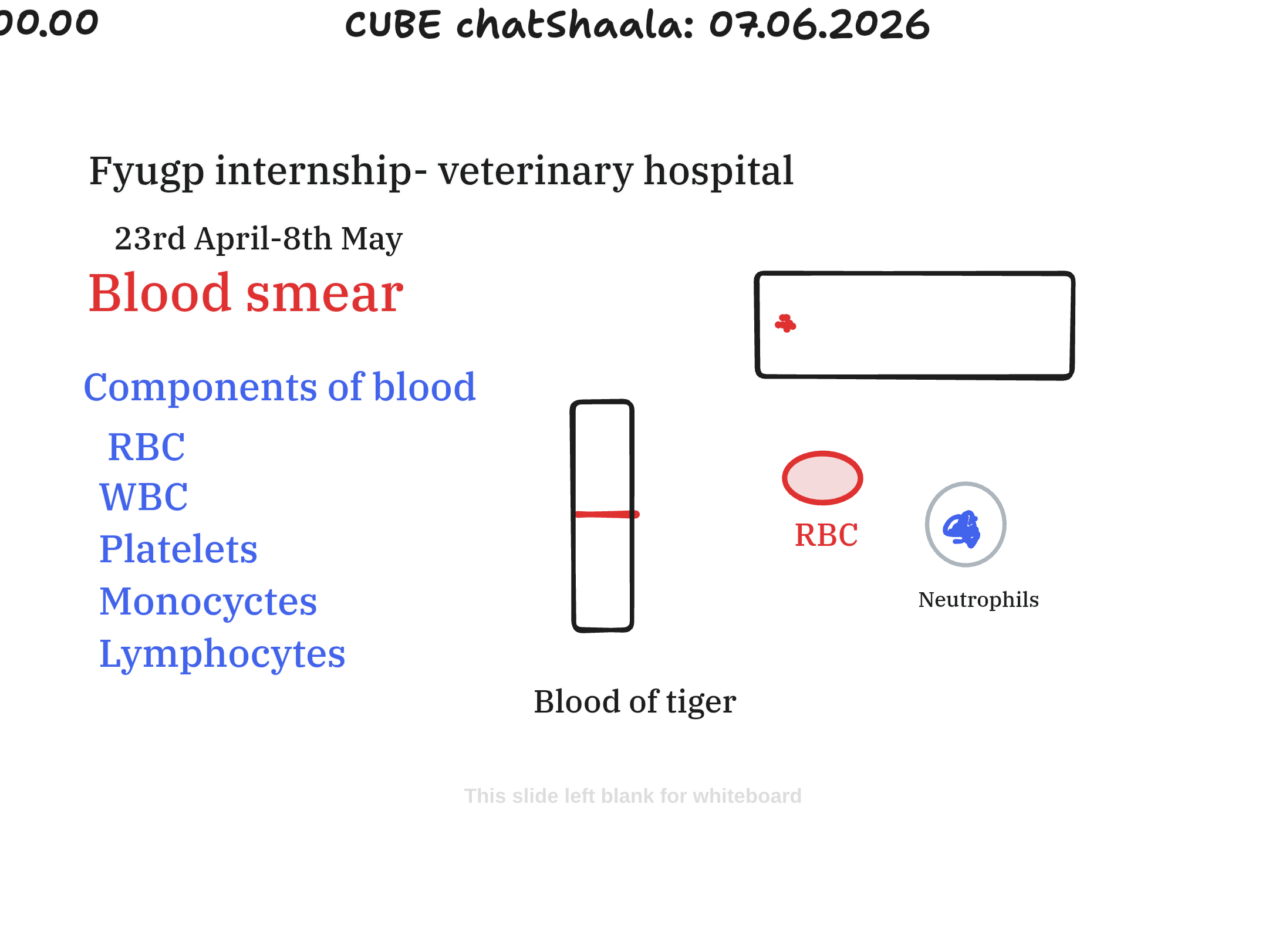
Today’s ChatShaala session revolved around two interconnected themes: blood smear studies in veterinary contexts and nail growth observations in humans. The veterinary internship presentation highlighted the components of blood—red blood cells (RBCs), white blood cells (WBCs), platelets, monocytes, and lymphocytes—with diagrams illustrating their structure. A special focus was placed on tiger blood smears, linking animal hematology to broader biological learning.
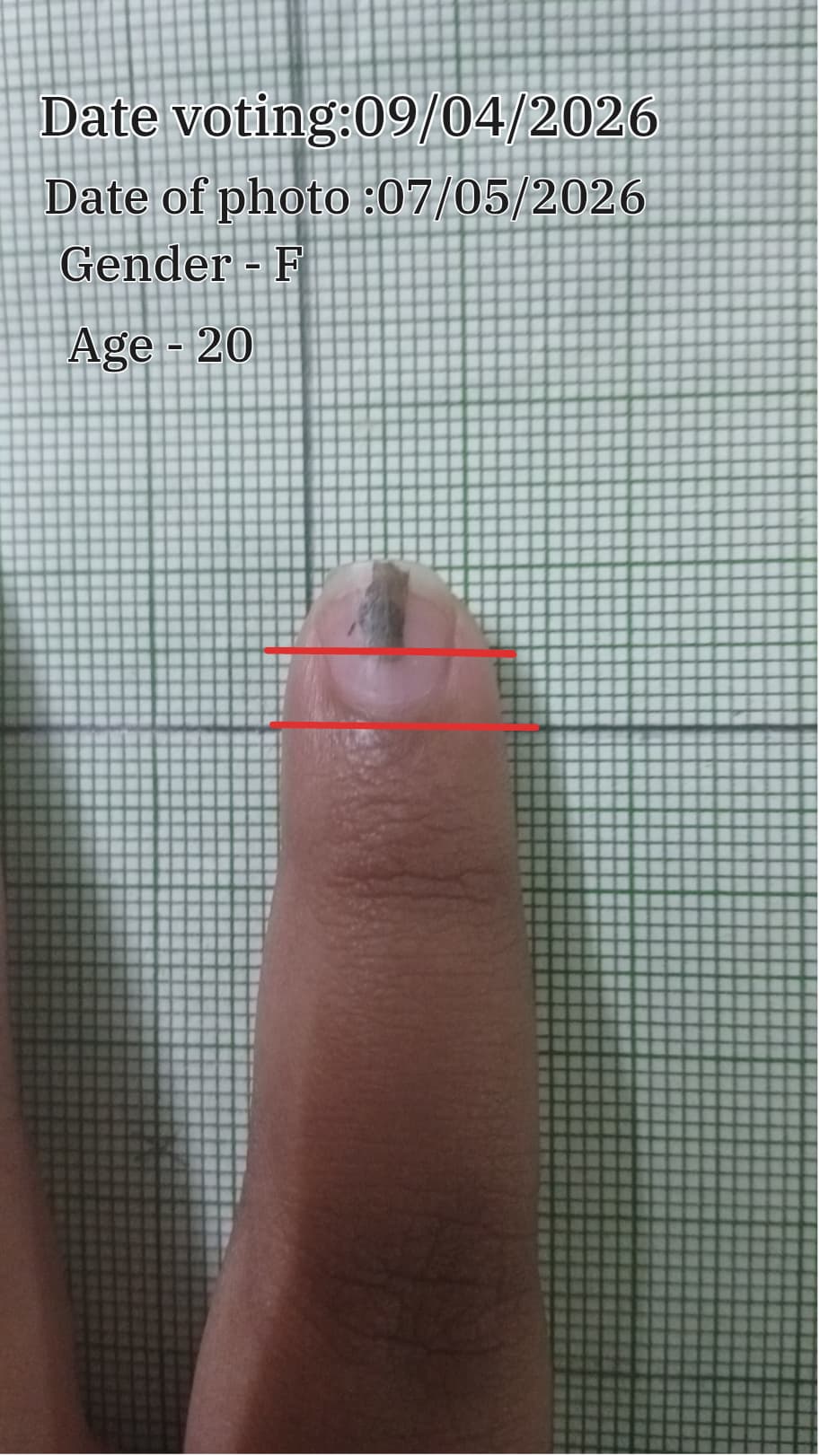

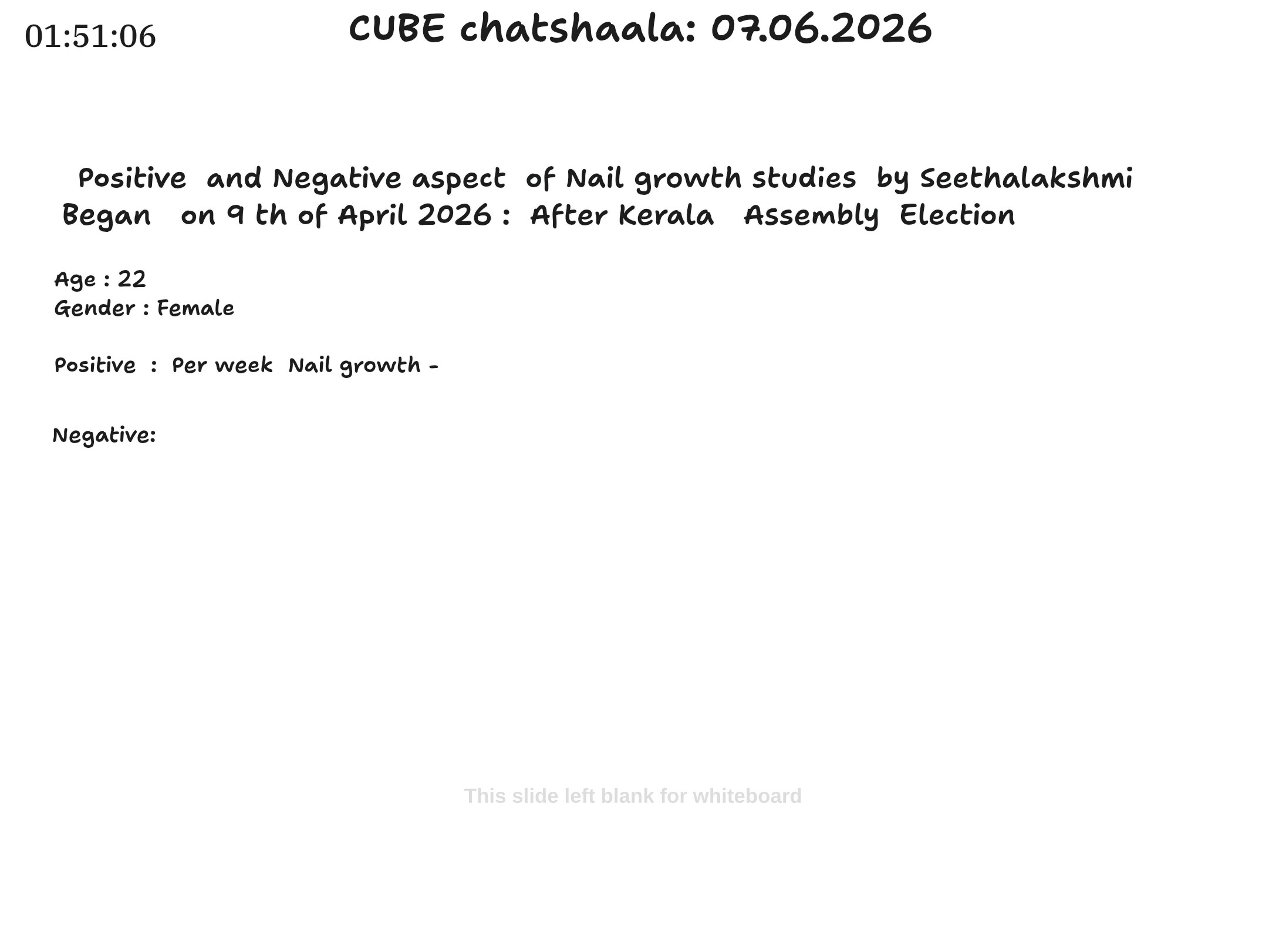
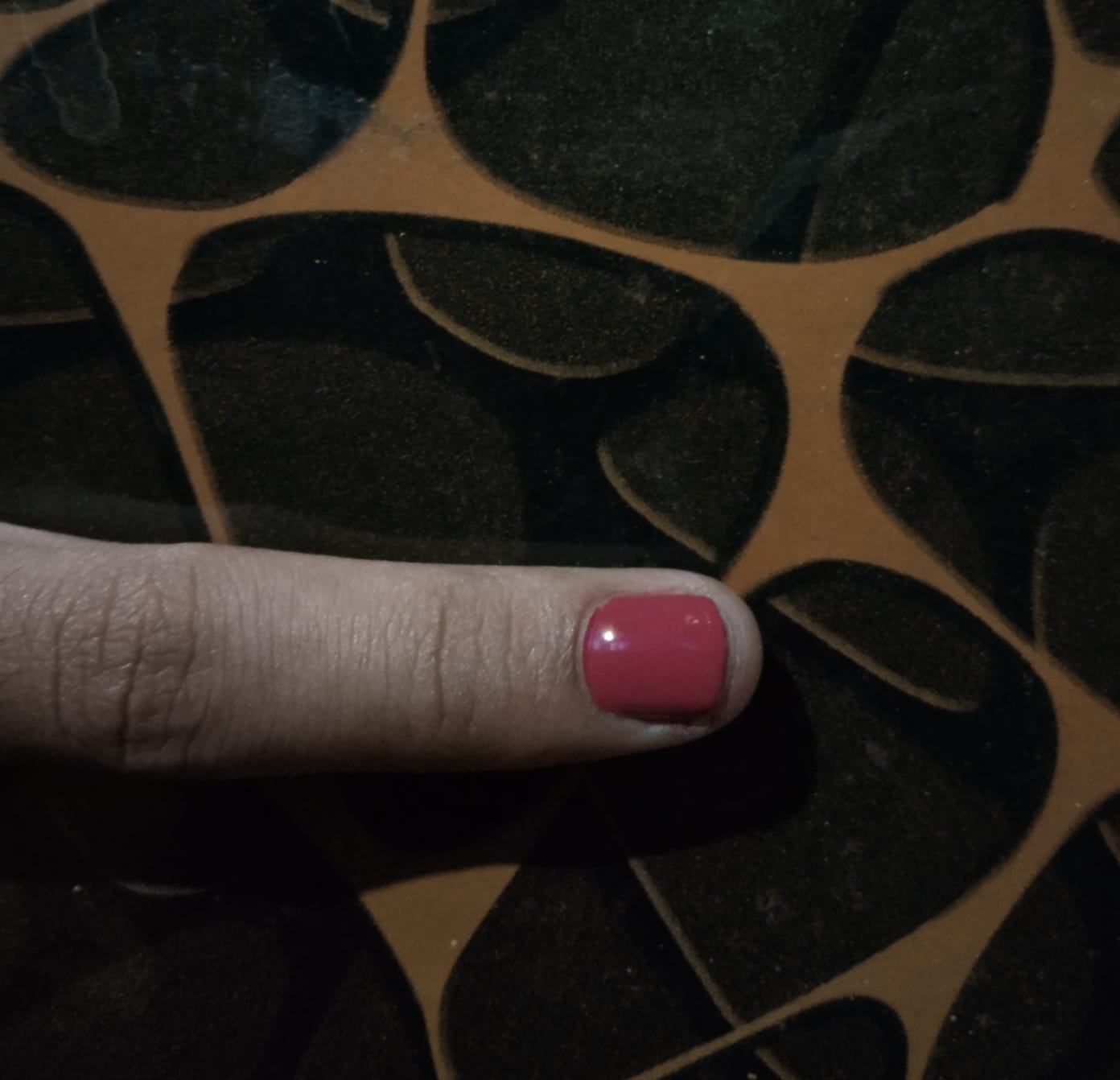
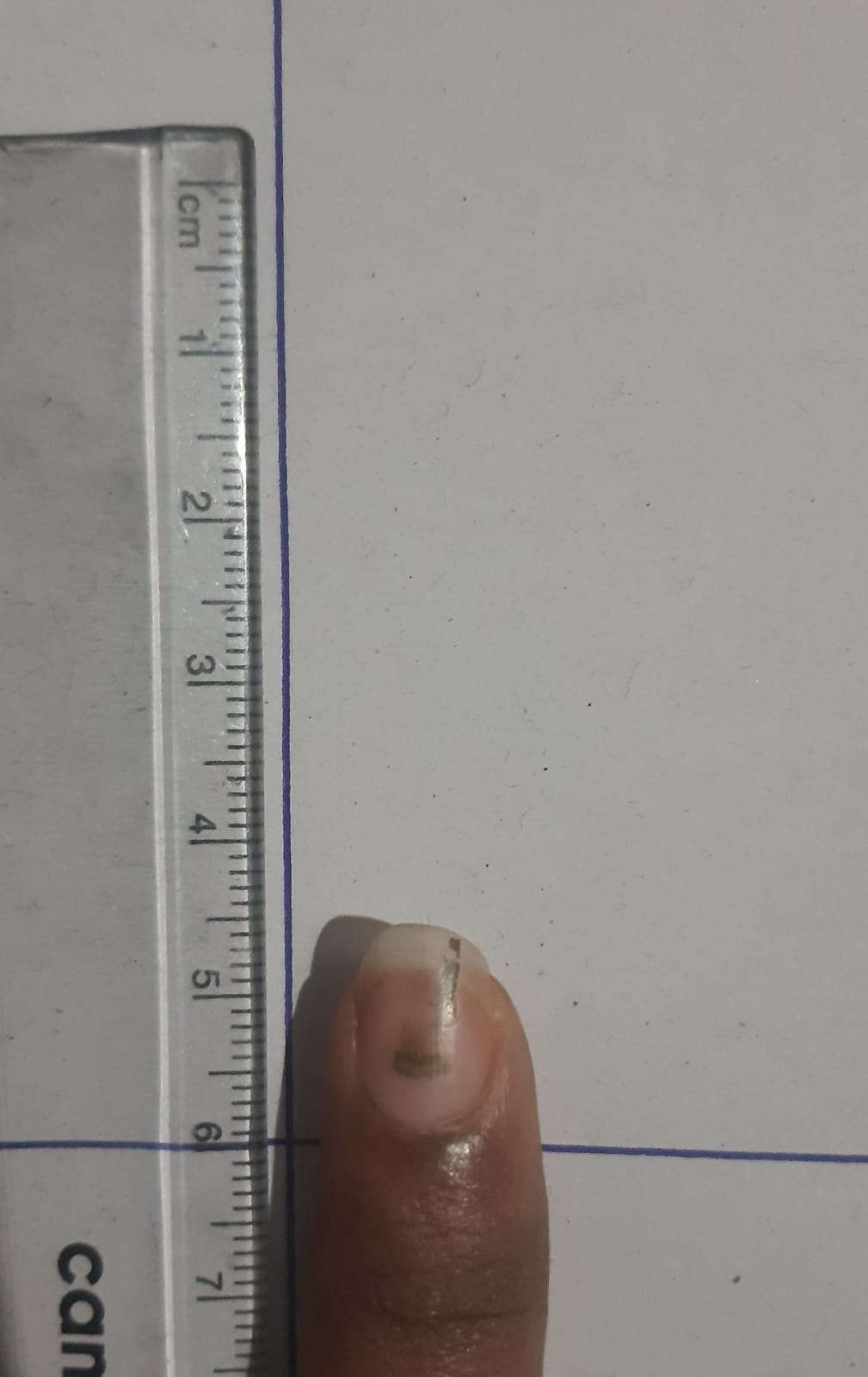
The second part of the discussion shifted to nail growth studies, where participants documented nail changes using photographs, rulers, and markings. Observations included nail polish applications, visible ridges, and discolorations across different individuals, with demographic details (age, gender, location) carefully recorded. These studies were contextualized by real-world events, such as the Kerala Assembly Election, demonstrating how citizen science can be integrated into everyday life.
The group also revisited the role of WBCs in immunity, emphasizing the five major types—neutrophils, eosinophils, basophils, lymphocytes, and monocytes—and their specialized functions in defending the body against infections. This tied neatly into the broader theme of connecting microscopic biological processes with visible human observables, such as nail growth.
Overall, the meeting blended scientific rigor with creative citizen science approaches, encouraging participants to think critically about methodology, documentation, and interpretation.
 Provocative Questions
-
Blood smear relevance: How do blood smear studies in animals like tigers help us understand broader principles of hematology?
-
WBC specialization: Why do different types of WBCs have specialized roles, and what evolutionary advantage does this provide?
-
Nail growth methodology: What are the strengths and weaknesses of using rulers and photo documentation for nail growth studies?
-
Citizen science: How can everyday observations, such as nail growth, be transformed into meaningful citizen science projects?
-
Cross-species comparison: What insights can be gained by comparing human nail growth studies with veterinary blood smear research?
 What I Have Learned
The most important takeaway from today’s session is the power of simple observations—whether it’s a blood smear under a microscope or a nail photographed against a ruler—in generating meaningful scientific inquiry. I learned that:
- Documentation matters: Dates, times, and demographic details add credibility and reproducibility to citizen science.
- Connections across scales: Microscopic immune cells and macroscopic nail growth both reveal biological rhythms and health indicators.
- Collaborative learning: Sharing observations in ChatShaala fosters critical reflection and collective problem-solving.
 TINKE Moments (This I Never Knew Earlier)
-
Blood smear diversity: The presence of different WBC types, each with unique roles, was eye-opening for many.
-
Nail growth as a biological marker: Using nail polish and markings to track growth introduced a creative yet rigorous method that participants had not considered before.
-
Citizen science potential: Linking nail growth studies to everyday events (like elections) highlighted how science can be democratized and contextualized in daily life.
 Gaps and Misconceptions
-
Measurement accuracy: Some participants assumed nail growth is uniform across individuals, overlooking variability due to age, health, or environment.
-
Blood component confusion: There was occasional overlap in listing WBC subtypes separately from general categories, which could confuse beginners.
-
Documentation consistency: Not all photos included clear measurement references, which may limit data reliability.
 Reference