CUBE ChatShaala Summary (10 December 2025)
Topic Focus: Moina macrocopa JSK1 | DNA Extraction | Oil–Water Experiment | Agarose Gel Electrophoresis
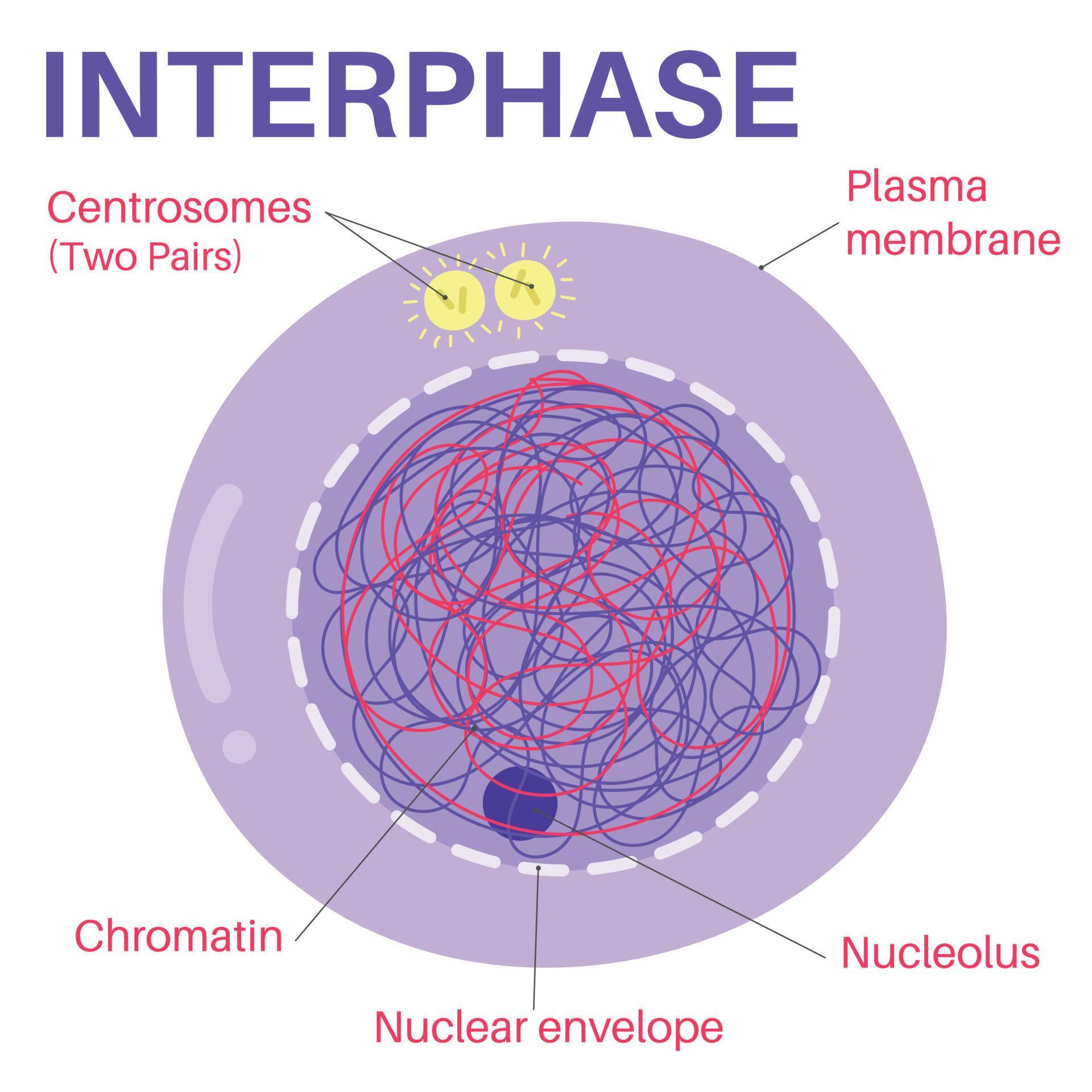
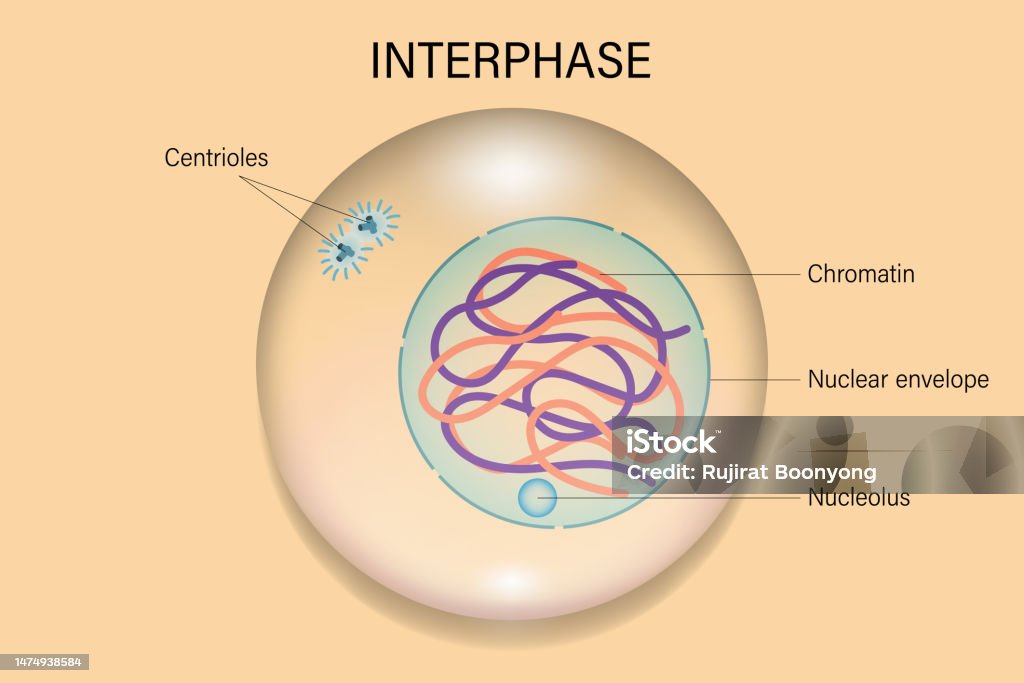
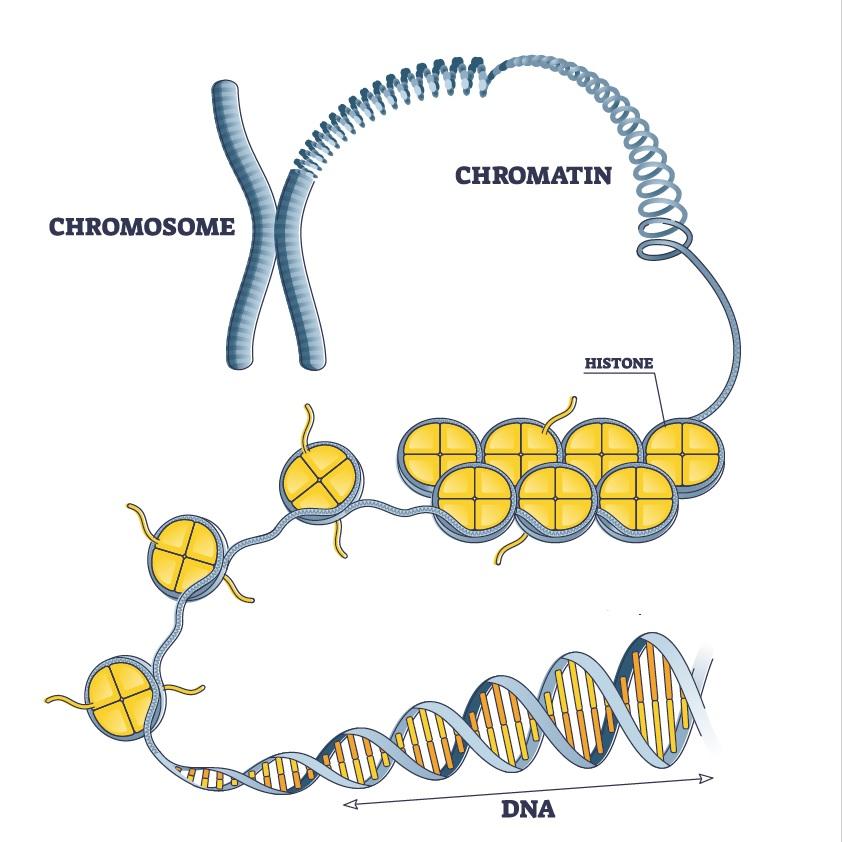
Today’s session brought together observations from Moina macrocopa JSK1 collected from CHM College, Ulhasnagar, along with a hands-on exploration of DNA extraction using chicken liver. Participants revisited fundamental cell structures, including the cell membrane, nuclear membrane, chromatin, and histones—supported by a visual diagram illustrating the hierarchy from DNA to chromosome.


The DNA extraction workflow was revisited step-by-step, beginning with tissue breakdown using a mortar and pestle, followed by the conceptual role of lysis buffer in disrupting cell and nuclear membranes. This led to a practical demonstration using an oil–water system. The experiment highlighted how immiscible layers help visualize separation processes relevant to DNA extraction. Participants then connected this idea to the principles of agarose gel electrophoresis, emphasizing the movement of DNA under an electric field and the dependence on gel matrix properties.
The group discussion also touched upon how everyday materials and simplified analogies can make complex molecular processes accessible to beginners, strengthening conceptual understanding and experimental confidence.
 Provocative Queries for the Community
-
If oil and water refuse to mix, what does this teach us about the separation of molecules during DNA extraction?
-
How do histones and chromatin packaging allow large amounts of DNA to fit inside a tiny nucleus?
-
What genetic markers could be extracted from Moina, and how might they help answer ecological questions?
-
Where is the balance between effective cell lysis and preserving DNA size for gel electrophoresis?
 What I Learned Today
-
DNA’s packaging—from double helix to nucleosome to chromatin to chromosome—explains why strong mechanical and chemical steps are required for extraction.
-
The oil–water model is a simple but powerful demonstration of molecular separation principles relevant to DNA protocols.
-
Field-collected organisms like Moina macrocopa can be integrated into molecular workshops, bridging ecology and molecular biology.
-
Visual tools (whiteboard sketches, chromatin diagrams) significantly improved understanding of invisible molecular steps.
 TINKE Moments (Things I Never Knew Earlier)
-
That everyday household oils can mimic phase separation and help demonstrate principles used in DNA extraction.
-
That DNA is not extracted in long strands just because cells are broken open—membranes must be chemically disrupted in a specific order.
-
That agarose is actually a polysaccharide from seaweed, forming a matrix that behaves like a molecular sieve.
-
That Moina is not just a model for ecology but can become a starting point for molecular experiments too.
 Gaps and Misconceptions Identified
-
Confusion about cell vs. nuclear membrane: Some participants assumed that breaking the cell membrane automatically releases DNA, without realizing the nuclear membrane must also be lysed.
-
Misunderstanding of oil–water analogy: A few interpreted the oil layer as representing DNA itself, rather than understanding it as a demonstration of immiscible layers.
-
Electrophoresis misconception: Some believed DNA moves because it “likes” one side of the gel, rather than because of its negative charge and the applied electric field.
-
Crushing vs. chemical lysis: The assumption that more physical crushing always yields better DNA was corrected—over-crushing can shear DNA.
 Photographs during Chatshaala

 Reference