 Meeting Summary – CUBE ChatShaala (16/09/2025)
Today’s discussion focused on curd-making experiments at HomeLabs, demonstrating how everyday activities can become windows into science education. Gayatri and Sneha’s method comparison demonstrated how minor variations in procedure resulted in differences in fermentation, texture, and curd formation timing.

-
Gayatri’s Method:
- Milk boiled for 10 minutes (100°C).
- Cooled to 39°C (room temperature).
- 1 tbsp of starter curd added.
- Curd formed in 9 hours.
-
Sneha’s Method:
- Milk boiled once (instead of 3 times).
- Used ½ liter of milk.
- Starter curd (1 tbsp) added at 26°C room temperature at 11 PM.
- Curd formed in 6–7 hours.
-
Sneha’s New Trial:
- Used 1 liter of raw milk (not boiled).
- Added ½ spoon starter curd directly.
- Raised questions of fermentation vs. spoilage.
The experiments emphasize variables in curd-making: temperature, milk volume, boiling time, starter amount, and timing. The whiteboard captured ongoing debates about whether curd formation is purely fermentation or whether skipping boiling risks contamination.
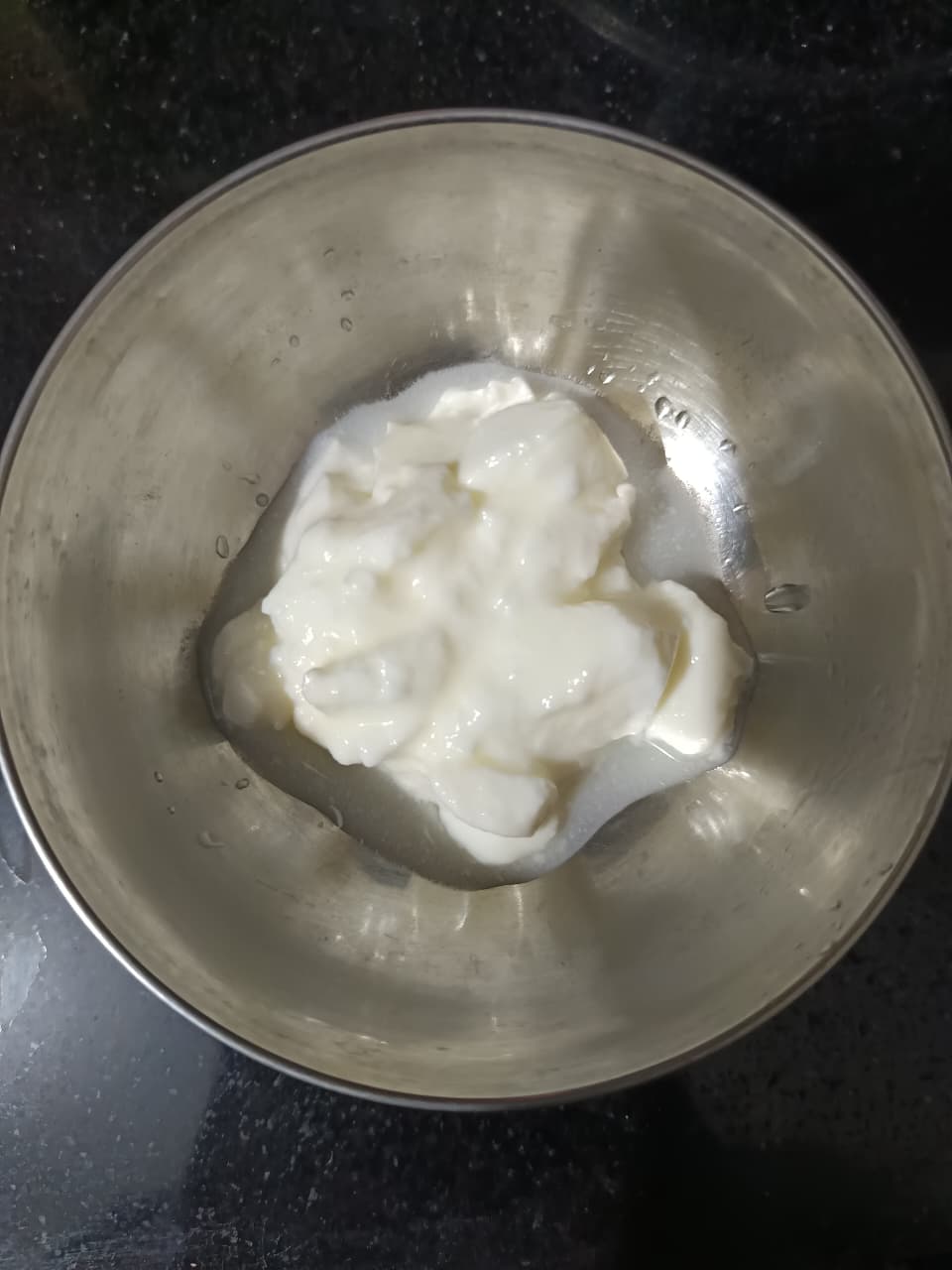
A live demonstration (curd sample shown in photo) further connected theory with practice, encouraging curiosity-driven investigation.
 Provocative Questions to Inspire All
-
 Does boiling milk kill unwanted microbes, or does it simply delay spoilage?
 -
 Why does Sneha’s curd form faster than Gayatri’s? Is temperature the only factor?
 -
 If raw milk with starter curd also sets, can we call it fermentation—or is it just contamination?
 -
 Why does the same starter work differently with half-liter and one-liter milk?
 -
 Can we design a simple experiment to distinguish “curd” from “spoiled milk”?
 What I Learned
- Fermentation is temperature-sensitive. Even a few degrees’ difference can shorten or lengthen the time needed for curd to form.
- Boiling standardizes conditions. It not only sterilizes milk but also ensures uniform consistency for starter cultures.
- Raw milk trials are risky but informative. They reveal the role of natural microflora and the fine line between fermentation and spoilage.
- Everyday kitchen practices are hidden experiments. By tweaking variables, we can uncover scientific explanations behind cultural traditions.
 TINKE Moments (Today I Never Knew Earlier)
-
Curd forms faster in less-boiled or single-boiled milk than in thrice-boiled milk.
-
Room temperature (26°C vs 39°C) dramatically alters fermentation time.
-
Raw milk plus starter curd may still produce a curd-like texture, blurring the line between controlled fermentation and natural spoilage.
 Gaps & Misconceptions
-
Confusion between fermentation and spoilage when raw milk is used.
-
Misunderstanding about the necessity of boiling multiple times—is it tradition or science?
-
Lack of clarity on the minimum starter quantity required for reliable curd setting.
-
Assumption that volume of milk doesn’t affect fermentation speed—today’s results suggest otherwise.
 Reference
@Arunan, @2020ugchsncnseethala, @SN1261, @magpie, @ajitadeshmukh13, @Shama, @tanisha, and others.