 CUBE ChatShaala – Discussion Summary
Today’s ChatShaala session (03/03/2026) revolved around two interconnected themes: seed germination experiments and mosquito breeding awareness.
Seed Germination
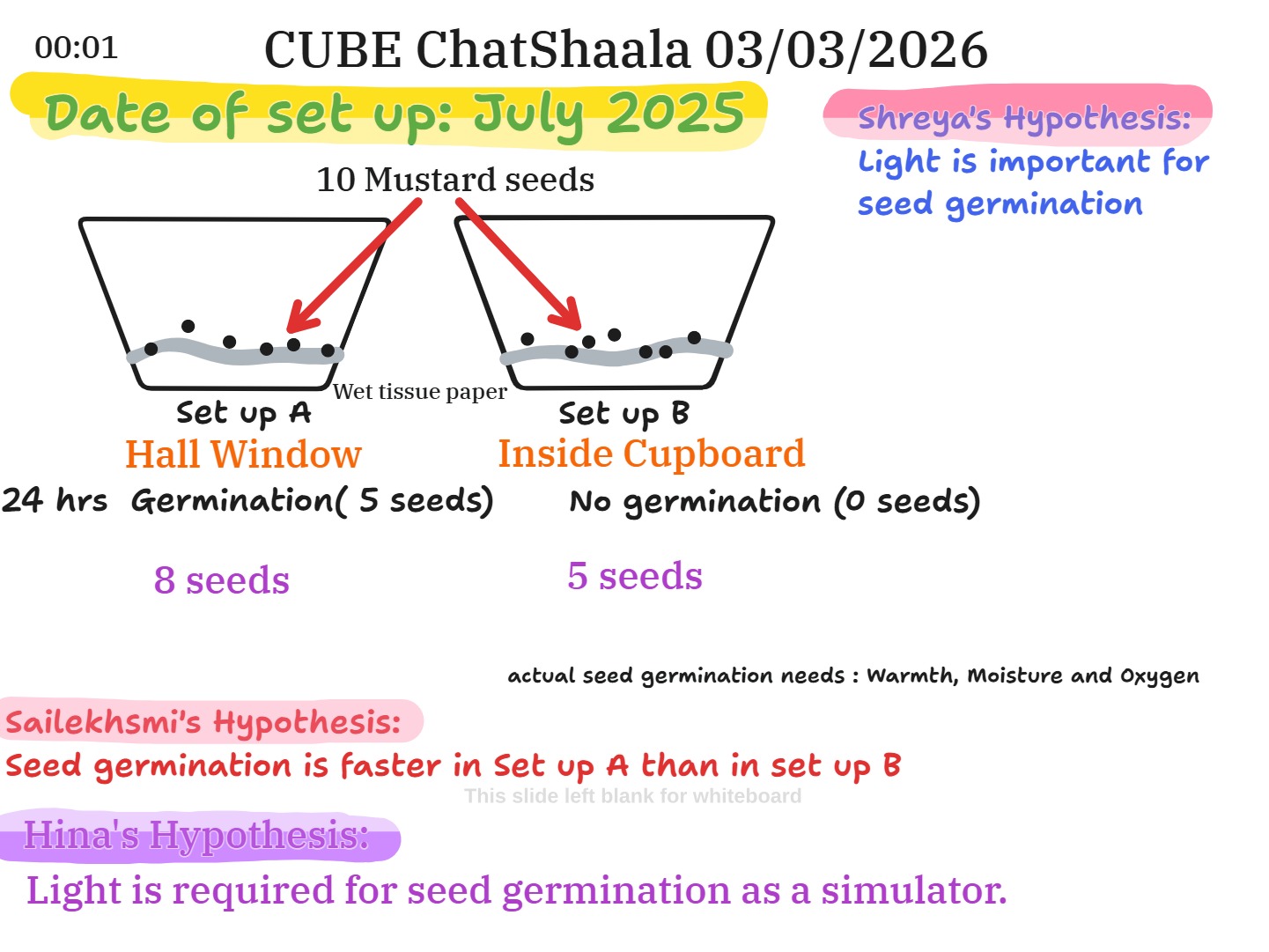
Cubists discussed an experiment comparing mustard seed germination in two conditions:
Sherya’s Expectation
- Set up A (Hall Window, light exposure): 5 seeds germinated within 24 hours.
- Set up B (cupboard, no light): No seeds germinated in the same period.
Sailekhsmi’s Expectation
- Set up A (hall window, light exposure): 8 seeds germinated within 24 hours
- Set up B (cupboard, no light): 5 seeds germinated in the same period.
Three hypotheses emerged:
- Light is essential for germination (Shreya).
- Germination is faster in light-exposed conditions (Sailekhsmi).
- Light acts as a simulator for germination (Hina).
This sparked a deeper conversation on the true requirements for germination: moisture (imbibition), oxygen (respiration), and warmth. Seeds rely on internal food reserves during early growth, meaning light is not strictly necessary at the initial stage. Supporting references highlighted that while some seeds (e.g., lettuce, carrots) require light, many others (e.g., tomatoes, cucumbers, onions) germinate in darkness.
Mosquito Breeding
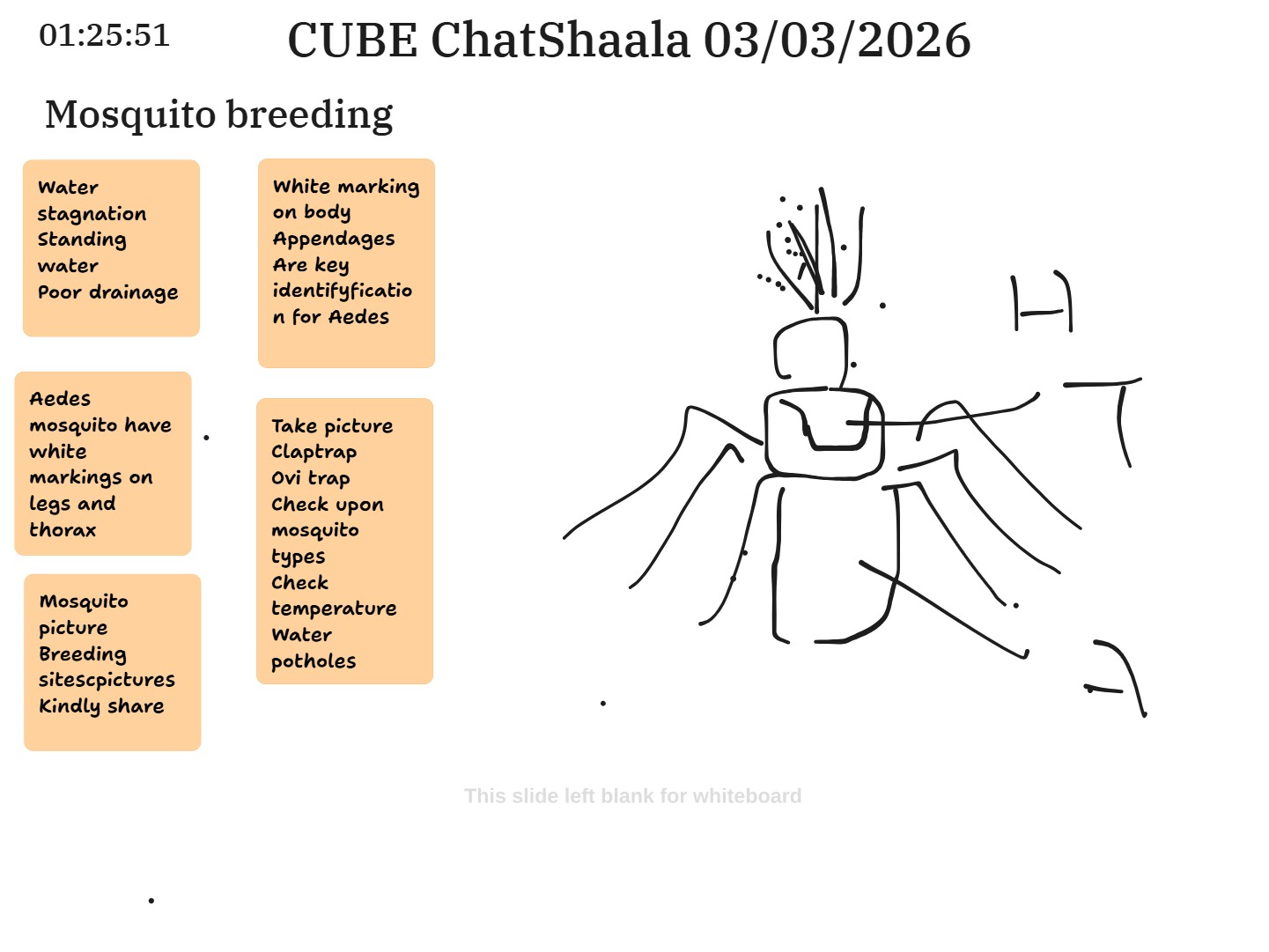
The second focus was on mosquito biology and breeding sites. Notes emphasized:
- Breeding conditions: stagnant water, poor drainage, potholes.
- Identification of Aedes mosquitoes: white markings on legs and thorax.
- Control measures: ovitraps, claptraps, monitoring temperature, and photographing breeding sites.
The biology of mosquitoes was reviewed: eggs laid on water surfaces or damp soil; larvae (“wigglers”) requiring oxygen; pupae (“tumblers”) undergoing metamorphosis; and adults, where only females bite to obtain protein for egg production.
 Provocative Questions
-
If light is not essential for germination, why did setup B show no sprouting in 24 hours? Could other factors (temperature, moisture distribution, and oxygen availability) explain the difference?
-
How do phytochromes in seeds determine whether light stimulates or inhibits germination?
-
What parallels exist between seed dormancy and mosquito egg dormancy in dry conditions?
-
Could experiments on mosquito ovitraps be designed similar to seed germination trials—comparing breeding success in light vs. dark, warm vs. cool environments?
-
How might community science projects integrate seed experiments and mosquito monitoring to address both food security and public health?
 What I Have Learned
-
Seed Germination: Light is not universally required; the “Big 3” (moisture, oxygen, warmth) are fundamental. Seeds carry internal reserves that sustain early growth before photosynthesis begins.
-
Mosquito Biology: Aedes mosquitoes are identifiable by white markings and thrive in stagnant water. Their life cycle—from egg to adult—demonstrates remarkable adaptation to environmental conditions.
-
Interdisciplinary Insight: Both seeds and mosquitoes depend on micro-environmental factors (moisture, oxygen, and temperature), showing how biology often converges across very different organisms.
 TINKE Moments (This I Never Knew Earlier)
-
Seed Darkness Preference: Many seeds actually prefer darkness to germinate, contradicting the common belief that light is always necessary.
-
Mosquito Egg Resilience: Aedes eggs can survive drying out and hatch only when re-flooded, a survival strategy that complicates control efforts.
-
Parallel Survival Strategies: Seeds and mosquito eggs both use dormancy as a survival mechanism, awaiting favorable conditions to “wake up.”
 Gaps and Misconceptions
-
Seed Germination Misconception: The assumption that light is universally required led to conflicting hypotheses. The cupboard experiment highlighted the need to control for other variables before attributing results solely to light.
-
Mosquito Breeding Oversight: While water stagnation was noted, the role of vegetation and soil moisture in supporting mosquito larvae was under-discussed.
-
Experimental Design Gap: The seed experiment lacked replication and longer observation periods, which could have clarified whether Set up B eventually germinates under darkness.
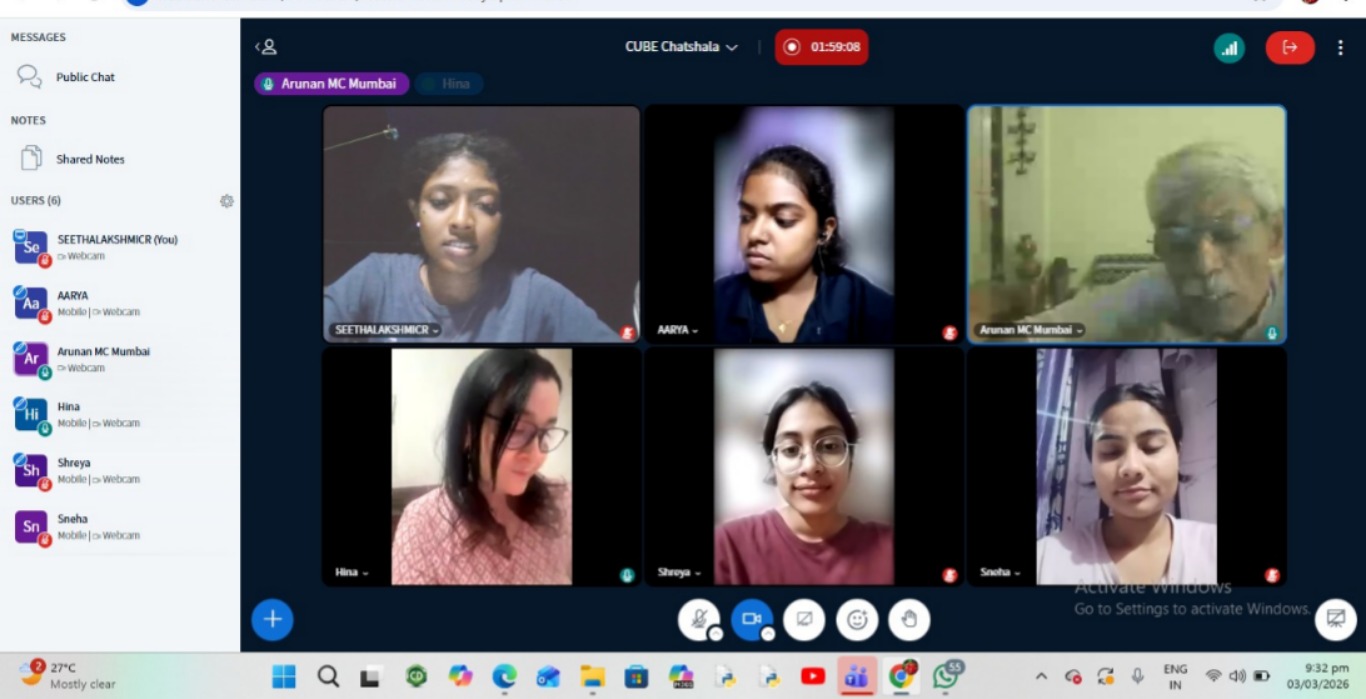
 Photograph during ChatShaala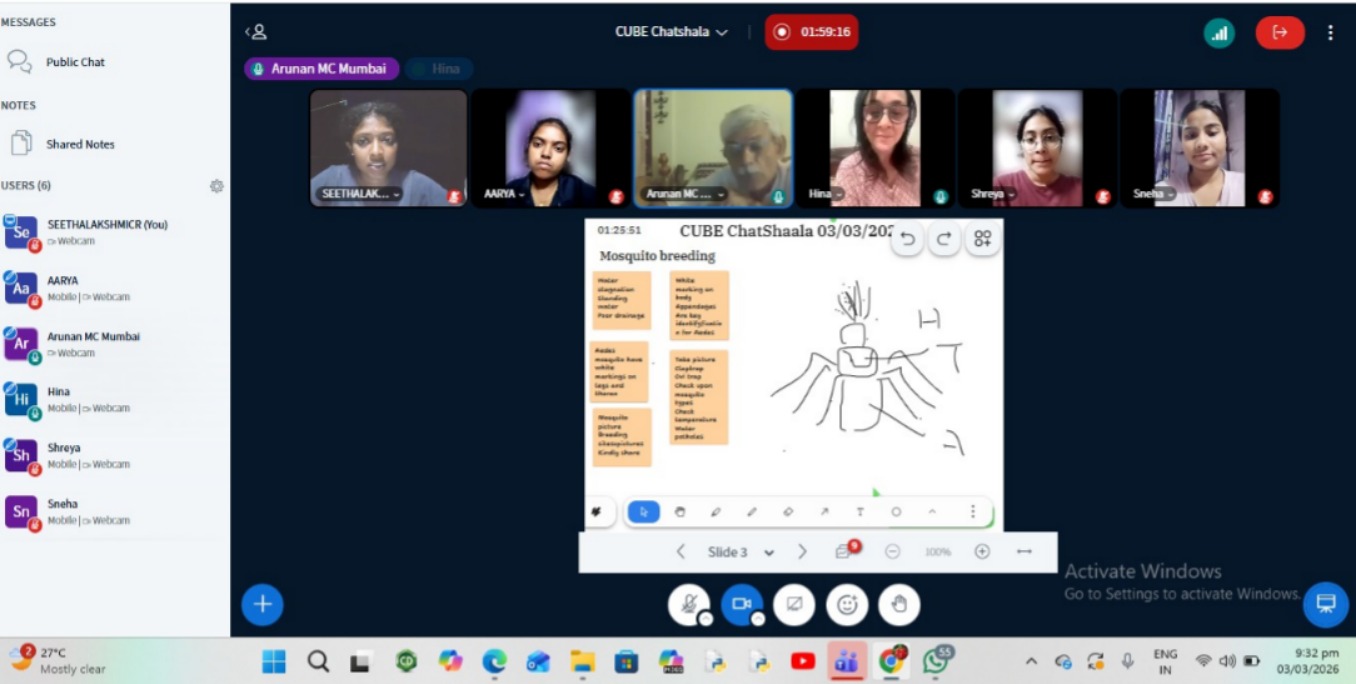
 Reference