 CUBE Chatshaala Summary: January 29, 2026
Today’s session of CUBE Chatshaala delved into the intricacies of Developmental Biology, specifically focusing on the transition from a dormant seed to a living, growing organism. We utilized the Moong Dal (Vigna radiata) and Soybean (Glycine max) as our primary models to bridge the gap between textbook theory and hands-on experimental design.
Core Discussion Points
-
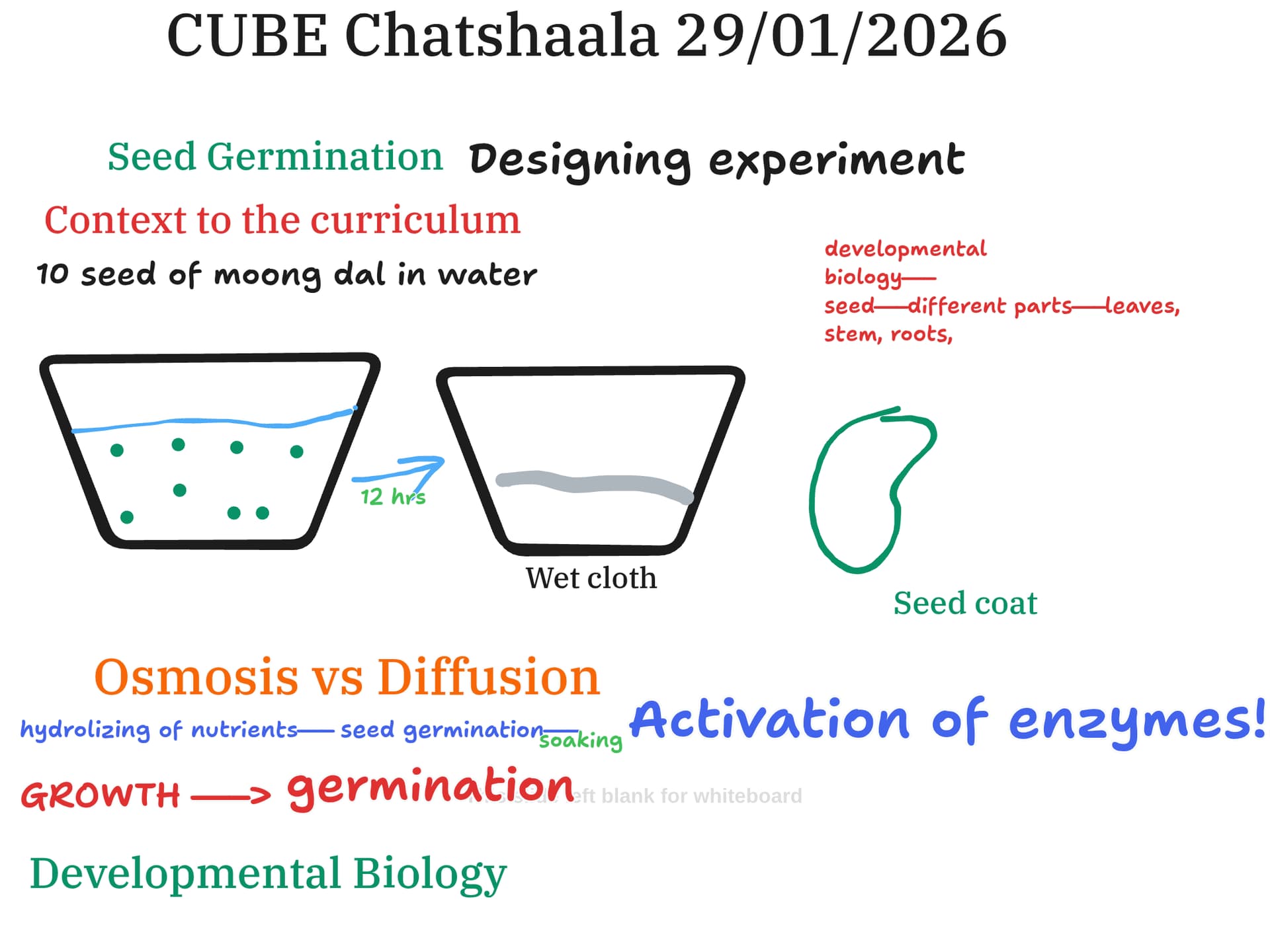
Experimental Design & Imbibition: We initiated a protocol involving the soaking of 10 Moong Dal seeds. This led to a discussion on Osmosis vs. Diffusion. While diffusion is the general movement of particles, imbibition (a special type of diffusion) is the crucial first step where the seed coat absorbs water, leading to the activation of enzymes.
-
The Chemistry of Life: The transition from “growth” to “germination” isn’t just physical; it’s biochemical. We discussed how water triggers the hydrolyzing of nutrients, breaking down complex starches into simpler sugars to fuel the embryo.
-
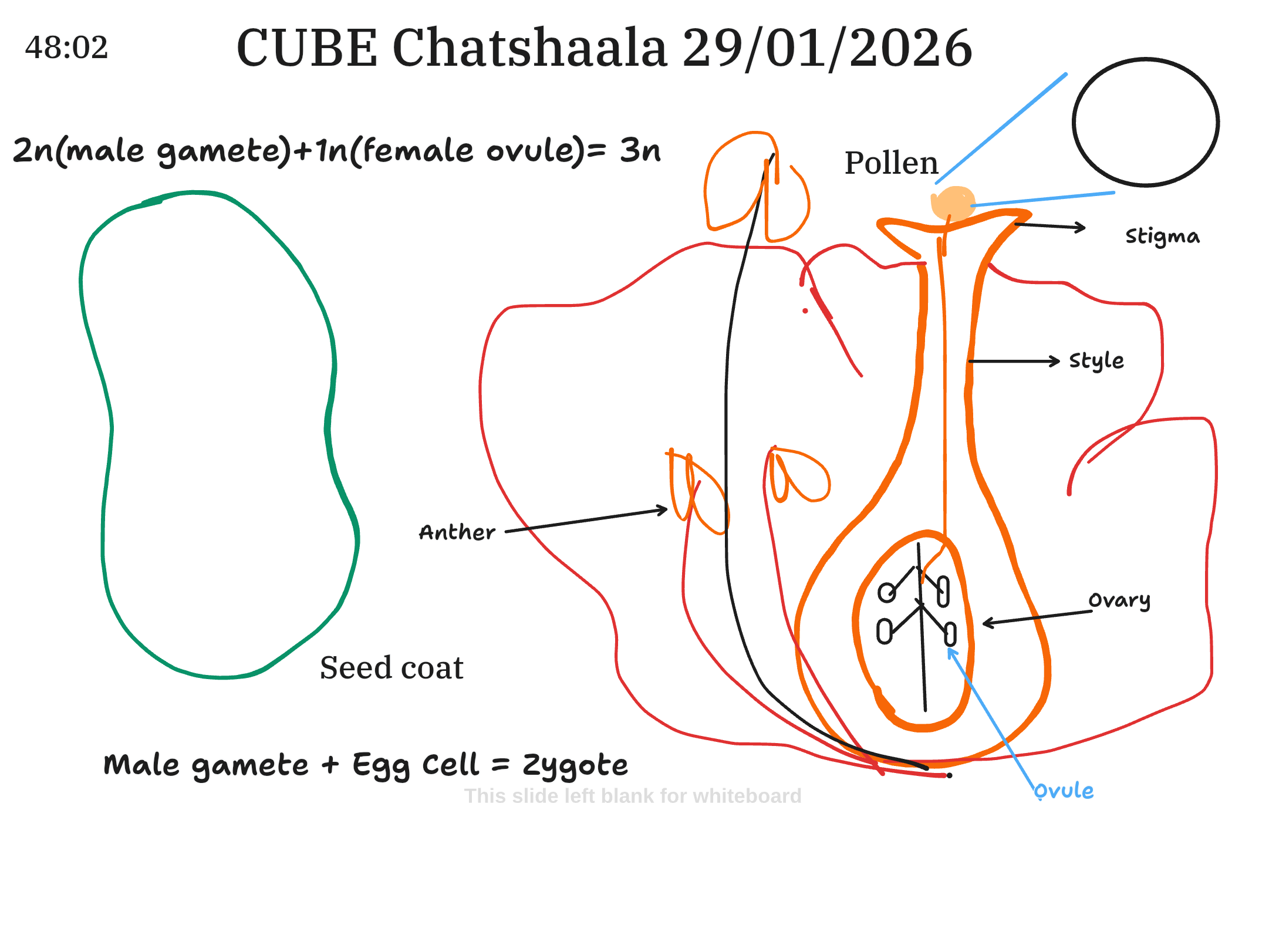
Reproductive Context: To understand the seed, we traced its origins back to the flower. We revisited the anatomy of the stigma, style, and ovary, and the fascinating process of double fertilization:
- Male gamete + Egg cell = Zygote (2n)
- (Often noted as the female ovule complex in whiteboard sketches).
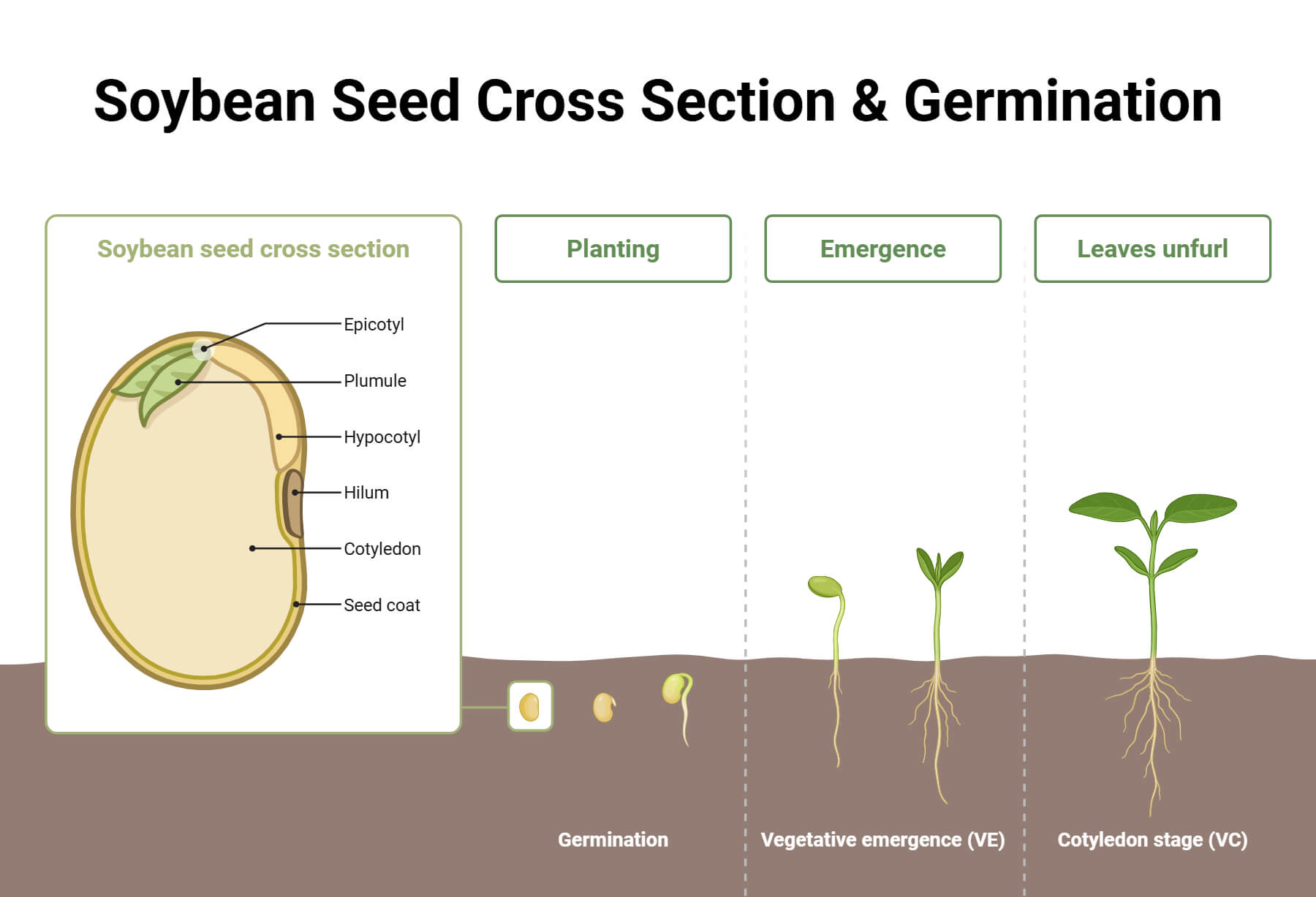
- Anatomy of the Embryo: Using the Soybean cross-section, we identified the Epicotyl (future shoot tip), Plumule (first leaves), Hypocotyl (stem below cotyledons), and the Radicle (root precursor).
 TINKE Moments
(This I Never Knew Earlier)
-
The “Awakening” Realization: The moment we realized that a seed isn’t “dead” but in a state of suspended animation, waiting specifically for water to act as a “key” to turn on its enzymatic machinery.
-
The Genetic Bridge: Connecting the Ti Plasmid (Tumor-Inducing) concept to how we might eventually think about genetic modification in these very seeds we are germinating.
 Gaps & Misconceptions
-
The 3n Confusion: There was a slight misconception regarding the structure. While a whiteboard note mentioned , it is important to clarify that Triple Fusion typically involves one haploid male gamete () and two haploid polar nuclei (), resulting in the ** endosperm**.
-
Growth vs. Germination: A common gap identified was the tendency to use “growth” and “germination” interchangeably. We clarified that germination is the specific process of the embryo breaking through the seed coat, whereas growth is the subsequent irreversible increase in size.
-
Osmosis vs. Imbibition: Many initially thought the seed swells due to active transport, but we corrected this to reflect the physical process of imbibition by the dry cell wall components.
 What I Learned
-
Germination is a biochemical activation process, not just sprouting.
-
Water’s primary role is enzyme activation, not nutrition.
-
Experimental biology begins with asking the right question, not with lab instruments.
-
Many conceptual errors arise from memorizing terms without understanding sequence and causality.
 Provocative Queries for the CUBE Community
-
If a seed can “sense” exactly when there is enough water to survive and “decide” to activate its enzymes, are we looking at a biological computer? At what exact millisecond does a “dormant” object become a “living” plant?
-
In the endosperm, the maternal genetic contribution is double that of the father. Why has evolution favored a “mother-heavy” food source for the baby embryo? Is this the botanical version of “nature vs. nurture”?
-
Look at the hilum and the curve of the Moong seed. Is the kidney shape an aerodynamic necessity for dispersal, or a structural requirement to protect the fragile plumule during the violent act of breaking through the soil?
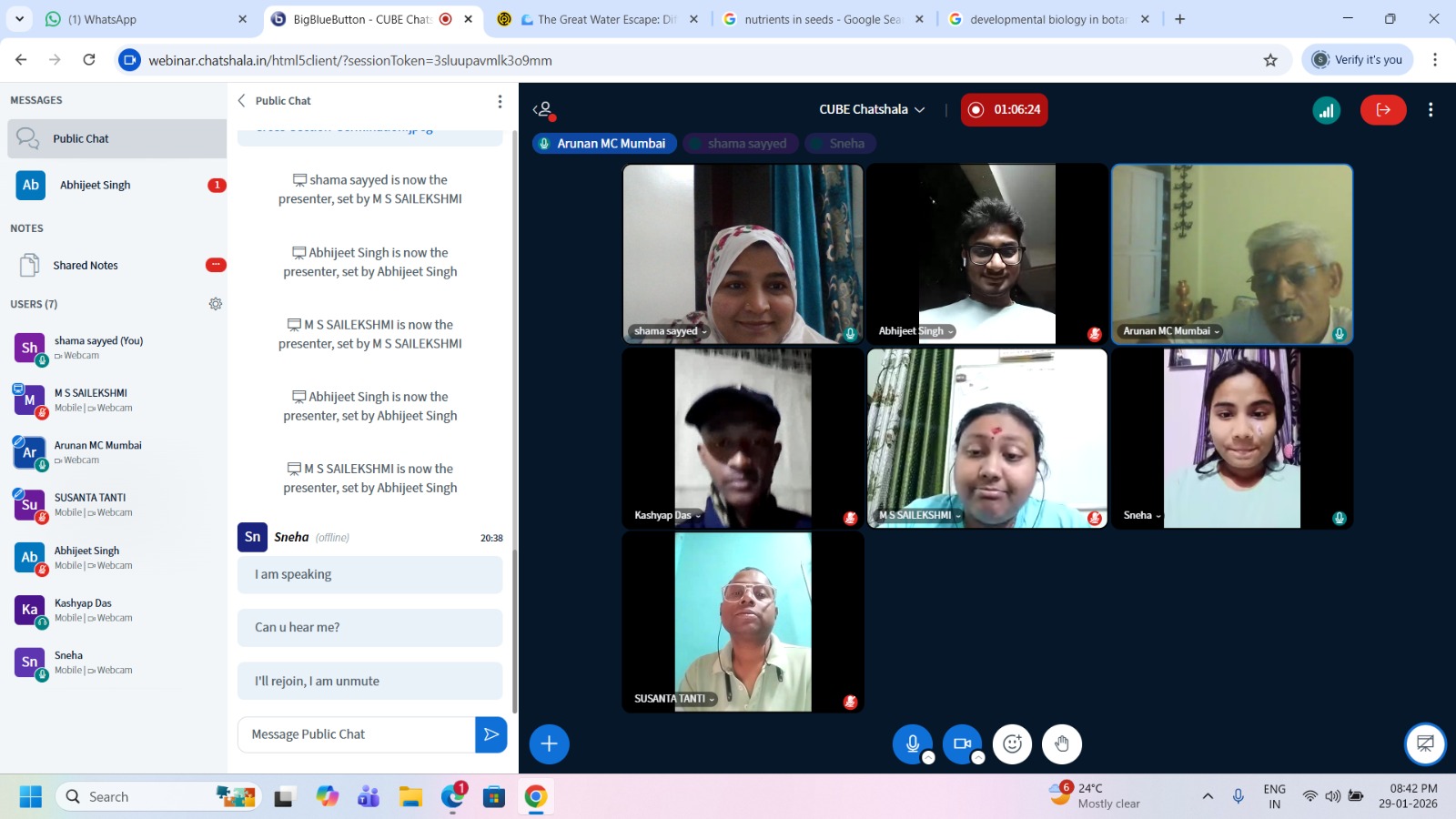
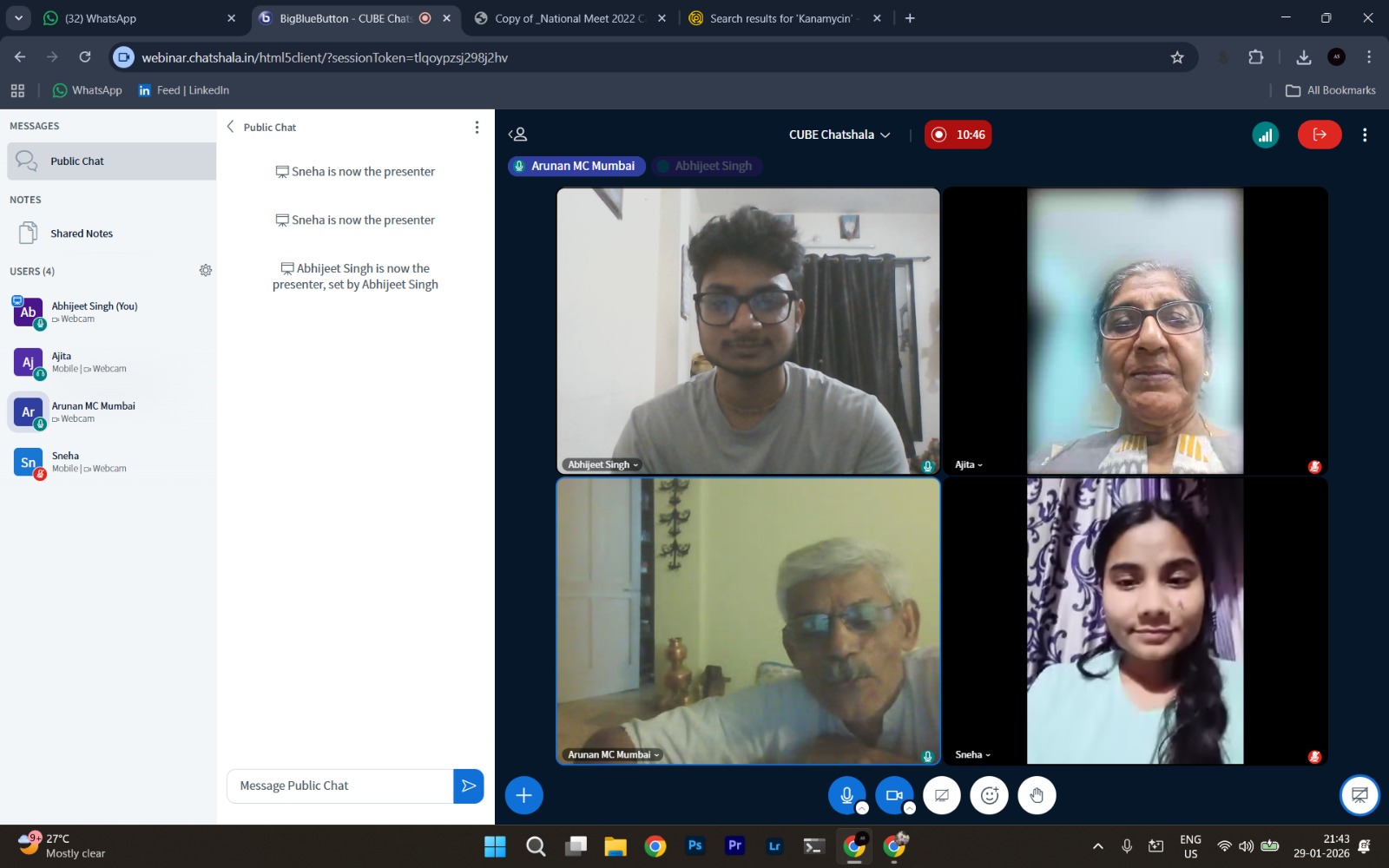
 Photographs during Chatshaala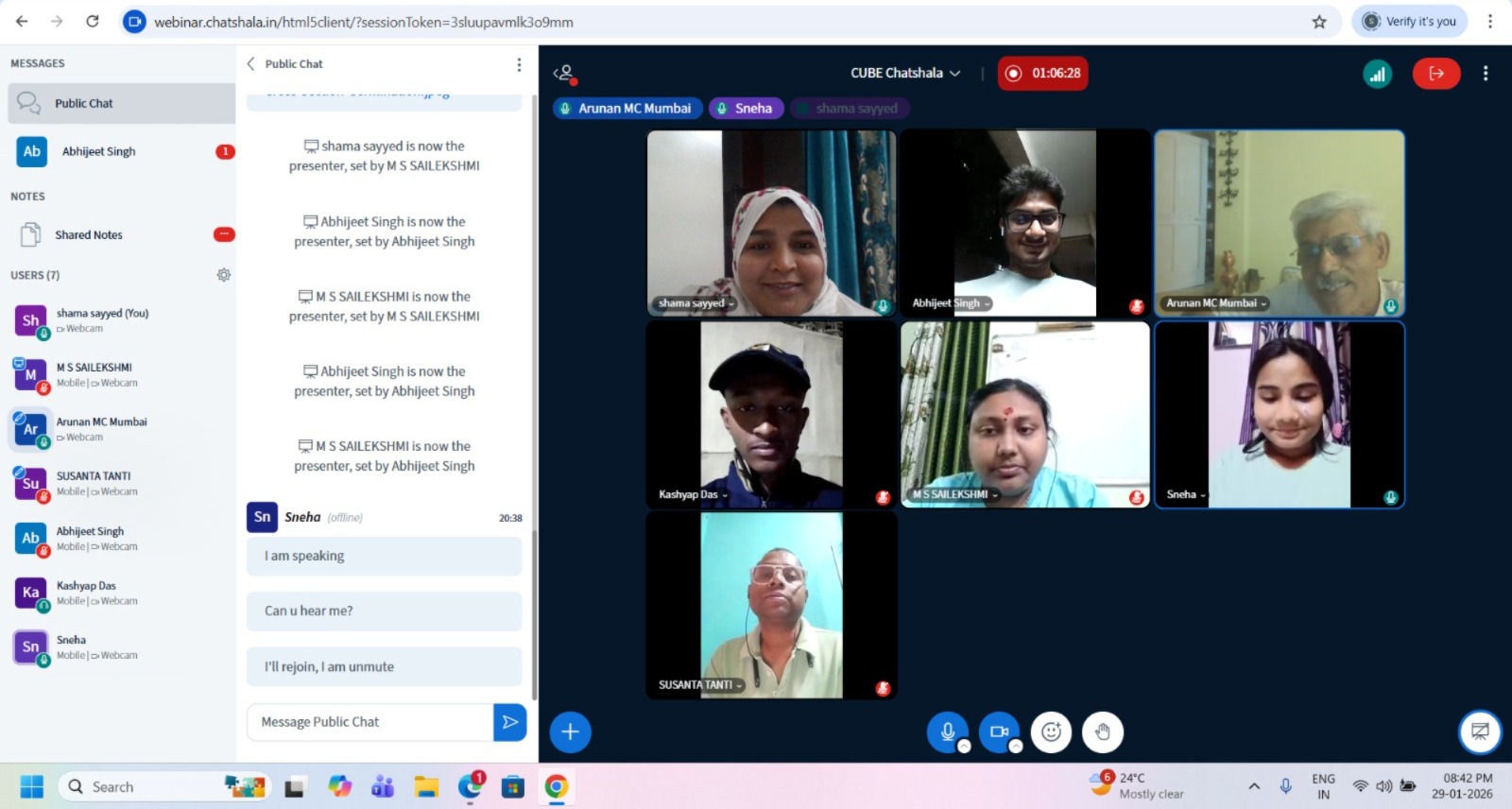
 Reference