CUBE ChatShaala – Discussion Summary (19.03.2026)
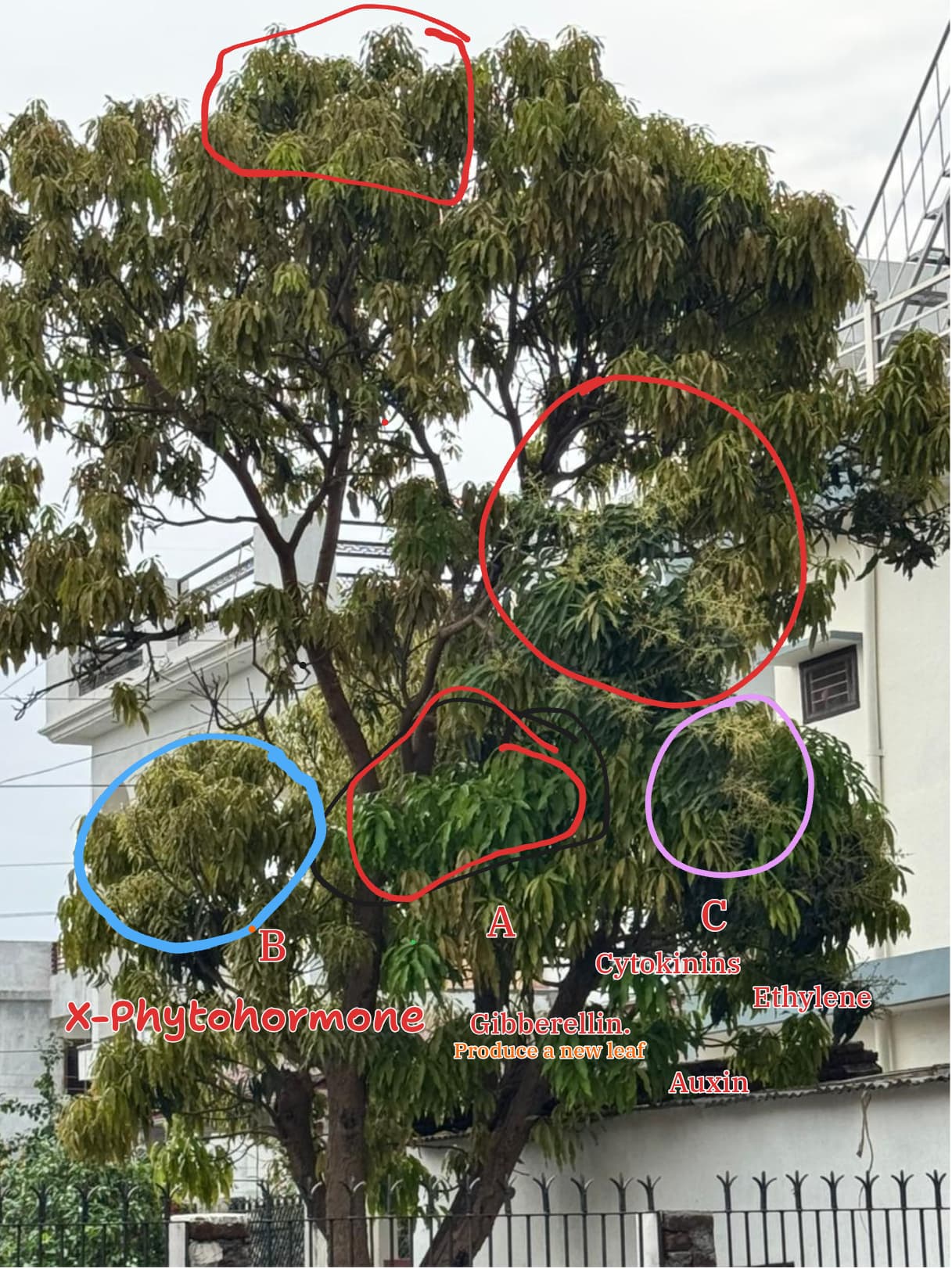
Today’s CUBE ChatShaala session explored the fascinating interplay of plant hormones in leaf development, using a mango tree as a live teaching aid. The discussion connected botanical physiology with broader contexts such as Uttarakhand’s ecology, the lighter color of new leaves, and ethylene’s role in mango flowering.
-
Phytohormones and Leaf Development
- Auxin: Promotes cell elongation and directional growth.
- Gibberellins: Stimulate new leaf formation and elongation.
- Cytokinins: Encourage cell division and delay leaf senescence.
- Ethylene: Associated with leaf abscission, fruit ripening, and stress responses.
- X-phytohormone (unspecified): Raised curiosity about lesser-known or emerging plant hormones.
-
Field Observations on Tree Leaves
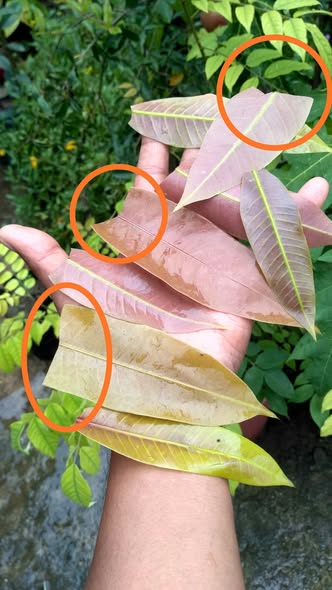
- Area A (newer, greener leaves): Linked to gibberellin and cytokinin activity.
- Area B (older, yellowing leaves): Ethylene and reduced cytokinin influence.
- Area C (mixed stages): Demonstrates hormonal balance and transition phases.
-
Supporting Knowledge Sources
- Uttarakhand’s ecology: Rich biodiversity and forest systems provide natural laboratories for studying plant physiology.
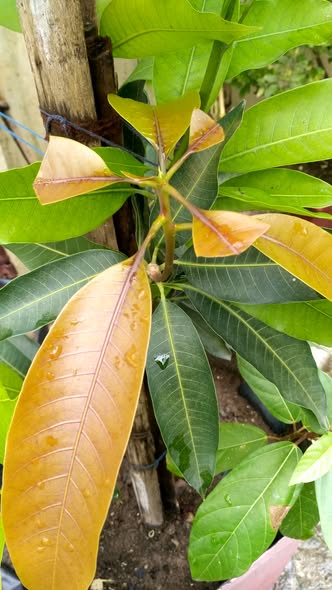
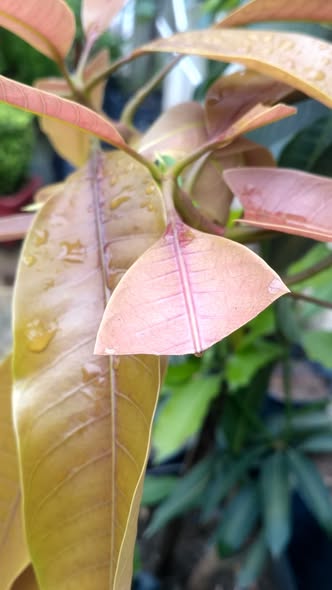
- New leaves’ lighter color: Explained by thinner leaf structure, incomplete pigment development, and high sugar content in early growth.
- Ethylene in mango flowering: Ethephon application can induce flowering, highlighting ethylene’s role in reproductive transitions.
 Provocative Questions
-
How might the balance between auxin and cytokinin determine whether a leaf continues growing or begins senescence?
-
Could manipulating ethylene levels in urban trees help manage leaf fall and reduce seasonal litter?
-
Why do new leaves appear lighter in color, and how does this affect their photosynthetic efficiency compared to mature leaves?
-
What parallels exist between mango flowering induction and leaf development in other species?
-
How can Uttarakhand’s diverse ecosystems serve as natural laboratories for studying phytohormones in action?
 What I Have Learned
-
Plant hormones are not isolated actors; they work in complex networks, influencing each other’s effects.
-
Leaf color and texture provide visible clues about underlying physiology, such as chlorophyll development and sugar metabolism.
-
Ethylene is a double-edged hormone: essential for flowering and fruit ripening, yet also responsible for senescence and abscission.
-
Regional ecology, like that of Uttarakhand, offers real-world contexts for understanding plant physiology beyond textbooks.
 TINKE Moments (This I Never Knew Earlier)
-
Misconception about leaf color: Many assumed lighter leaves simply meant “less chlorophyll,” but the reality involves structural thinness and sugar-driven pigmentation.
-
Hormonal overlap: The group realized that gibberellins and cytokinins often act together, challenging the earlier notion of them working independently.
-
Ethylene’s paradox: While typically associated with aging and abscission, its role in mango flowering showed its creative, growth-inducing side.
-
X-phytohormone curiosity: The placeholder label sparked discussion about lesser-known hormones (like brassinosteroids or jasmonates), highlighting gaps in collective knowledge.
 Gaps and Misconceptions
-
Oversimplification of hormone roles: Participants initially treated each hormone as having a single, isolated function.
-
Limited awareness of ecological context: Few connected plant physiology to broader environmental systems like Uttarakhand’s forests.
-
Underestimation of pigment diversity: The role of sugars and anthocyanins in new leaf coloration was not widely recognized until clarified.
 Photographs during ChatShaala


 Reference
 Provocative Questions