 CUBE ChatShaala – Meeting Summary
Date: 12 January 2026
The ChatShaala session unfolded as an exploratory learning space where observation, correction, and curiosity guided the discussion. The session began with Sailekshmi sharing her areas of interest, which ranged from simple experimental models like seed germination (mustard and fenugreek) and curd formation to fruit fly studies.These interests reflected a strong inclination toward hands-on, low-cost biological experiments rooted in everyday contexts.
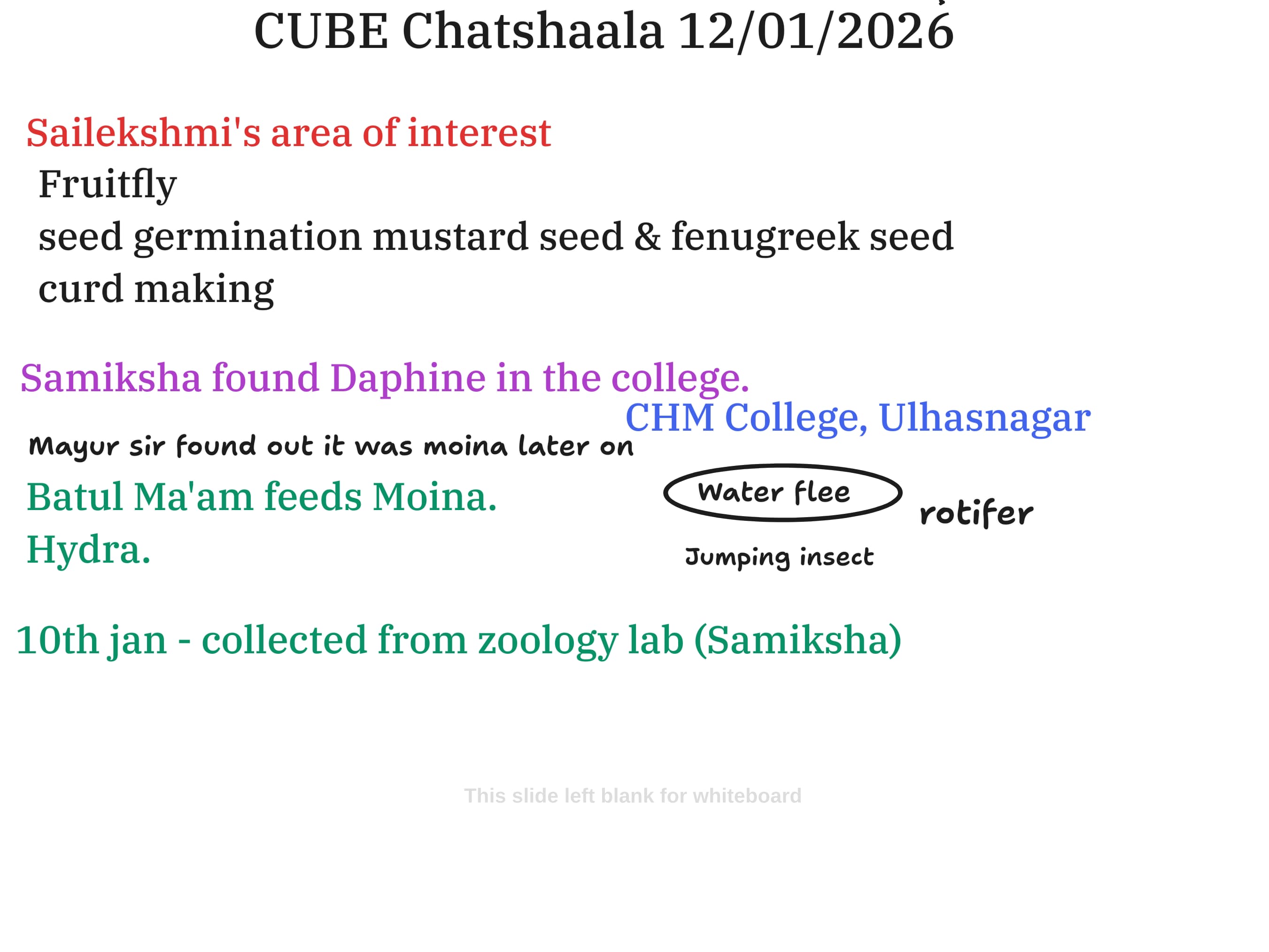
A key discussion point emerged with a wonderful story by Samiksha Bankar from CHM College, Ulhasnagar, Mumbai, regarding the identification of small aquatic organisms collected from the zoology lab on January 10, 2026.What was initially thought to be Daphnia was later clarified—through collective reasoning and expert input—as Moina macrocopa. This cubists highlighted the importance of careful morphological observation and peer validation in scientific practice. The role of mentors and facilitators was evident, especially in guiding participants to revisit assumptions without discouragement.
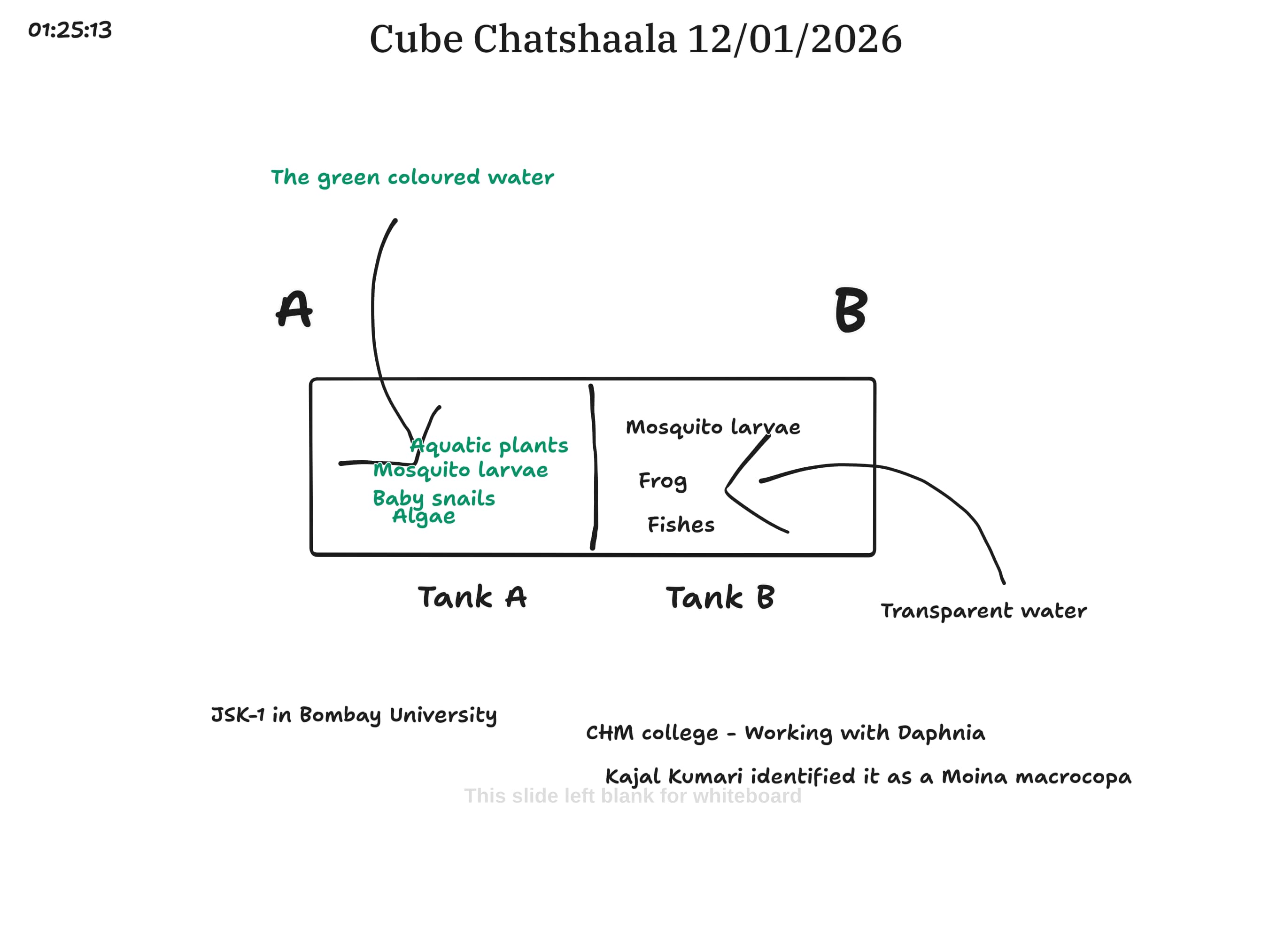
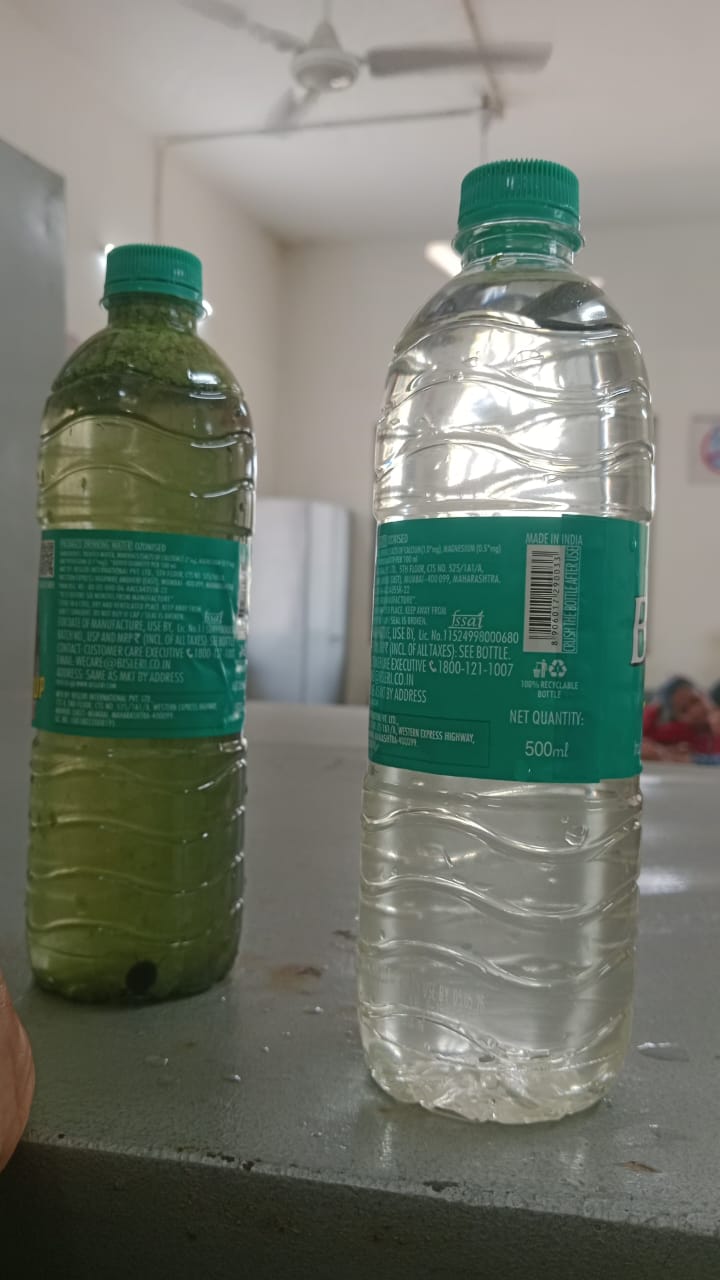
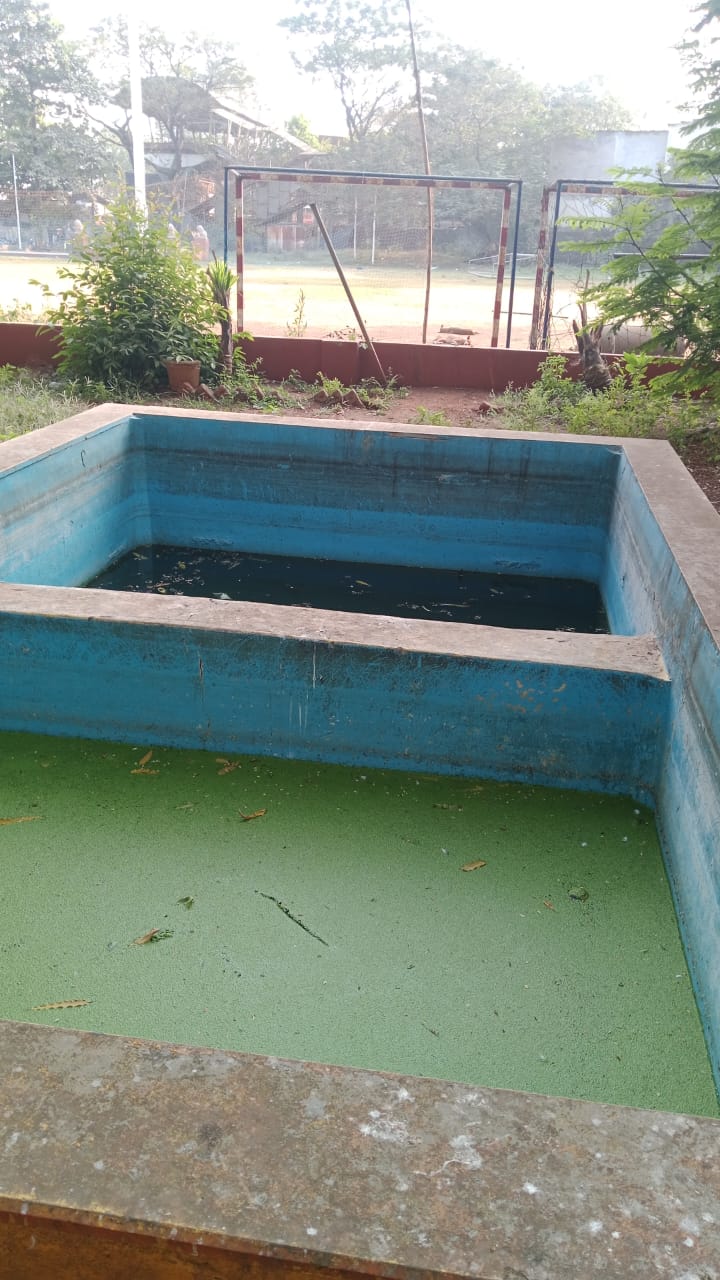
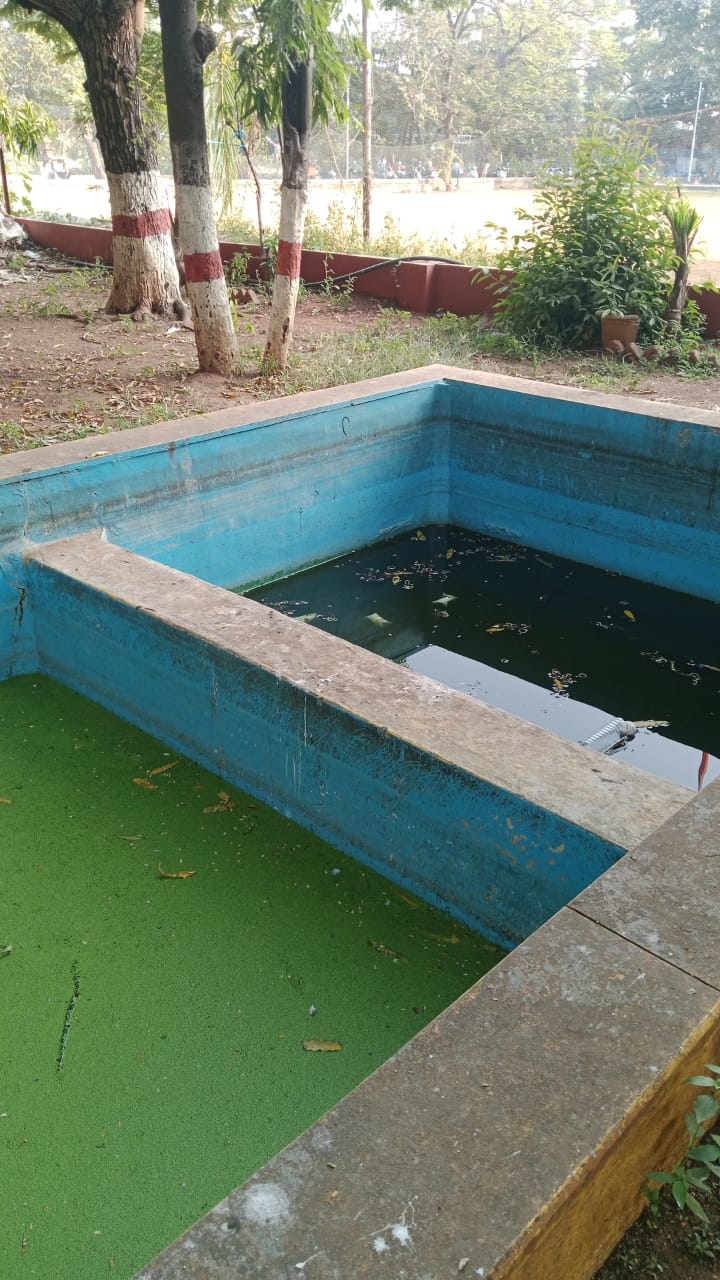
The whiteboard discussion compared two aquatic tank models. Tank A, with green-colored water rich in algae, supported mosquito larvae, baby snails, and aquatic plants, demonstrating a producer-heavy, self-sustaining micro-ecosystem. In contrast, Tank B, with transparent water, included higher trophic organisms such as fish and frogs, showing how predation alters population balance and water clarity. This comparison led to a deeper understanding of food chains, trophic levels, and ecosystem dynamics.
Overall, the session reinforced that learning science is not about immediate correctness but about refining understanding through dialogue, observation, and correction.
 What I Learned
-
Accurate identification of organisms requires patience, references, and collaboration.
-
Simple ecosystems can reveal complex ecological principles.
-
Green water should not be considered as mere dirt; it typically indicates elevated levels of primary productivity.
-
Misidentification is a valuable step in the learning process, not a failure.
 TINKE Moments (This I Never Knew Earlier)
-
Moina and Daphnia can look deceptively similar but have distinct ecological roles.
-
Water transparency can indicate trophic structure rather than cleanliness.
-
Algae-driven systems can sustain multiple life forms without external feeding.
-
Even small organisms like rotifers and mosquito larvae are key ecosystem indicators.
 Gaps and Misconceptions
- Assuming all small freshwater crustaceans are Daphnia.
- Believing clear water always represents a “healthy” ecosystem.
- Underestimating the ecological importance of algae and “green water.”
- Viewing experimental errors as mistakes rather than learning opportunities.
 Provocative Public Queries from Today’s Whiteboard
-
What if what we call “dirty” water is actually the most biologically active system?
-
How often do we misname life because we stop at appearance?
-
Does achieving clear water result in a loss of biodiversity?
-
What happens when learning moves from pages to a hands-on learning ?
 Photographs during Chatshaala
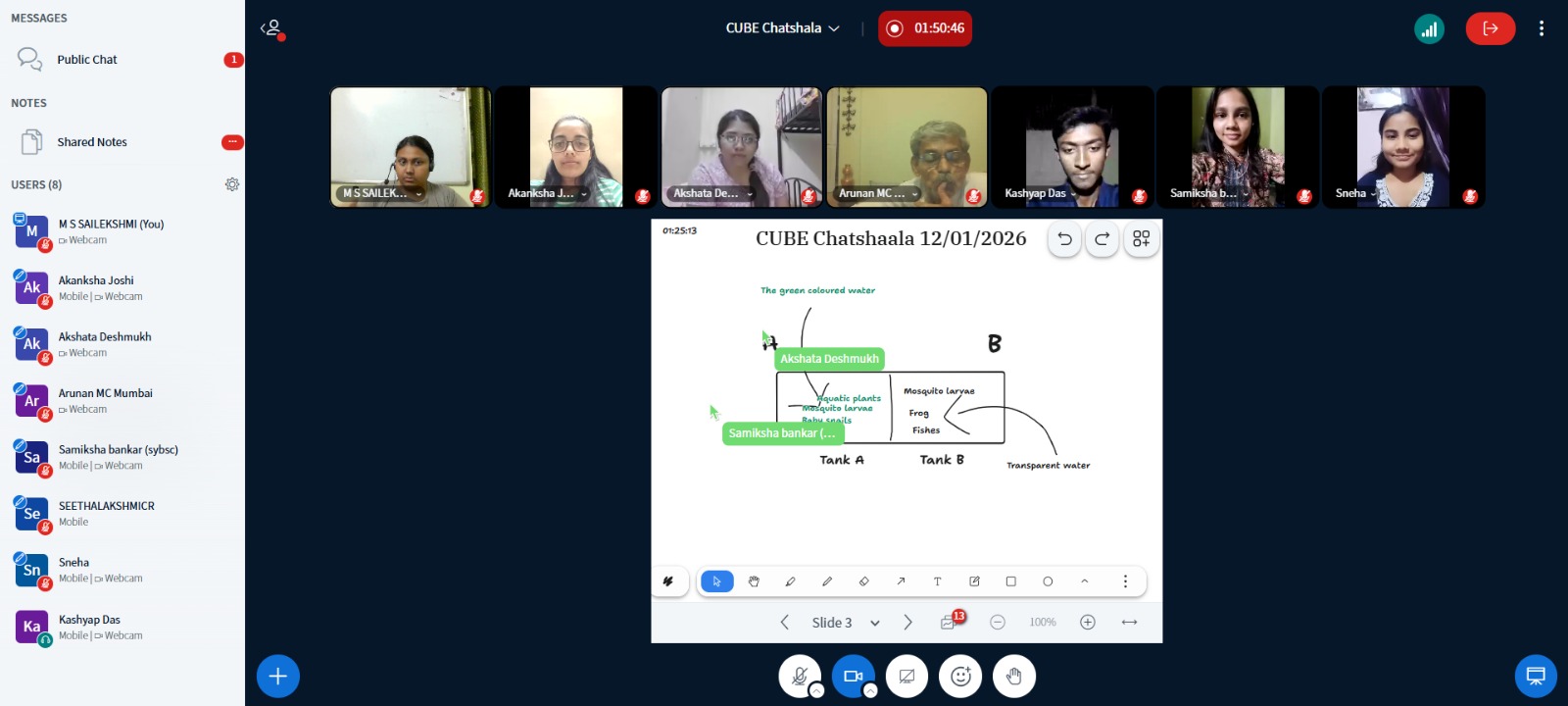
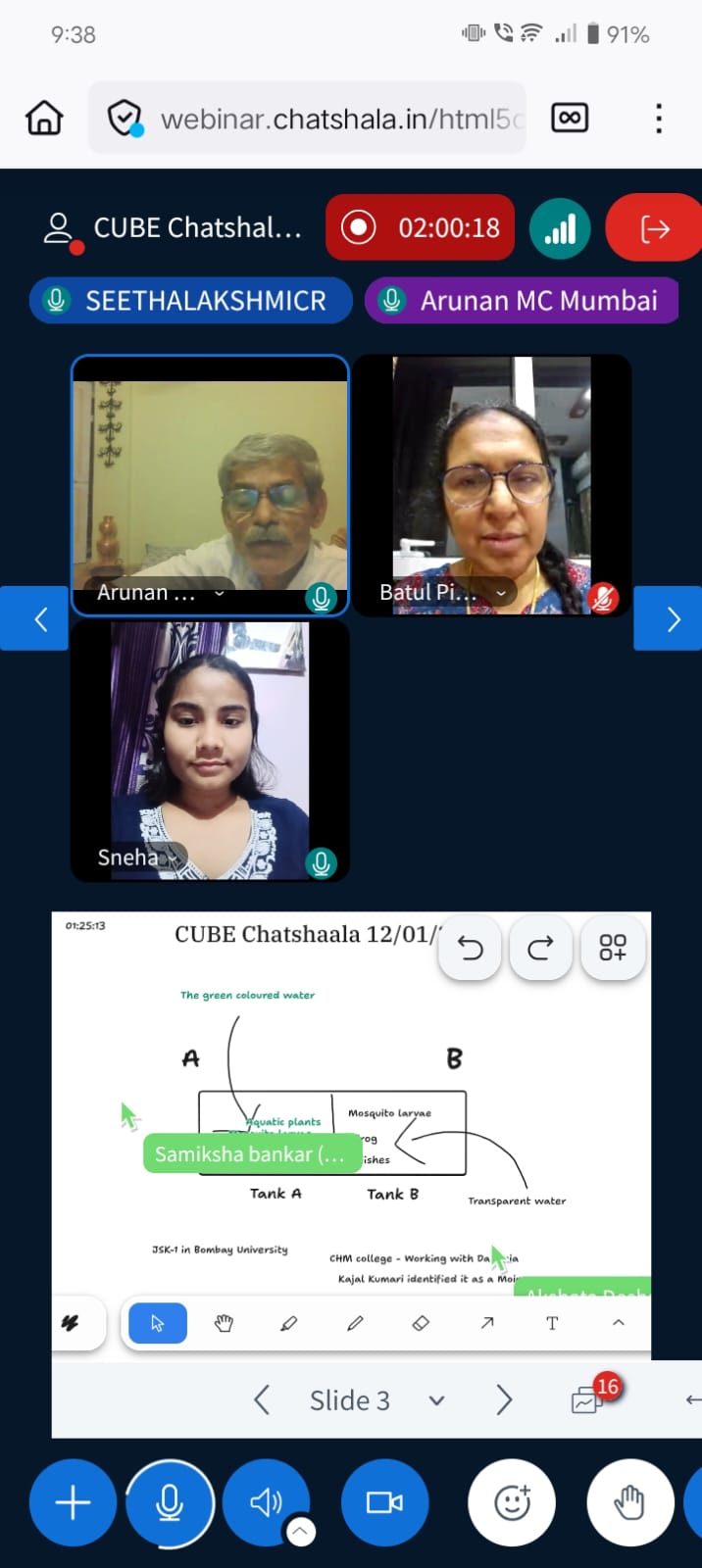

Samiksha Bankar - CHM college Ulhasnagar, Mumbai, Maharashtra
Closing Reflection
Today’s ChatShaala reminded us that science thrives in shared uncertainty. The real outcome was not just identifying Moina macrocopa, but learning how collective thinking sharpens understanding. Questions mattered more than answers—and that is where true learning began.
 Reference