 CUBE ChatShaala Meeting Summary: January 14, 2026
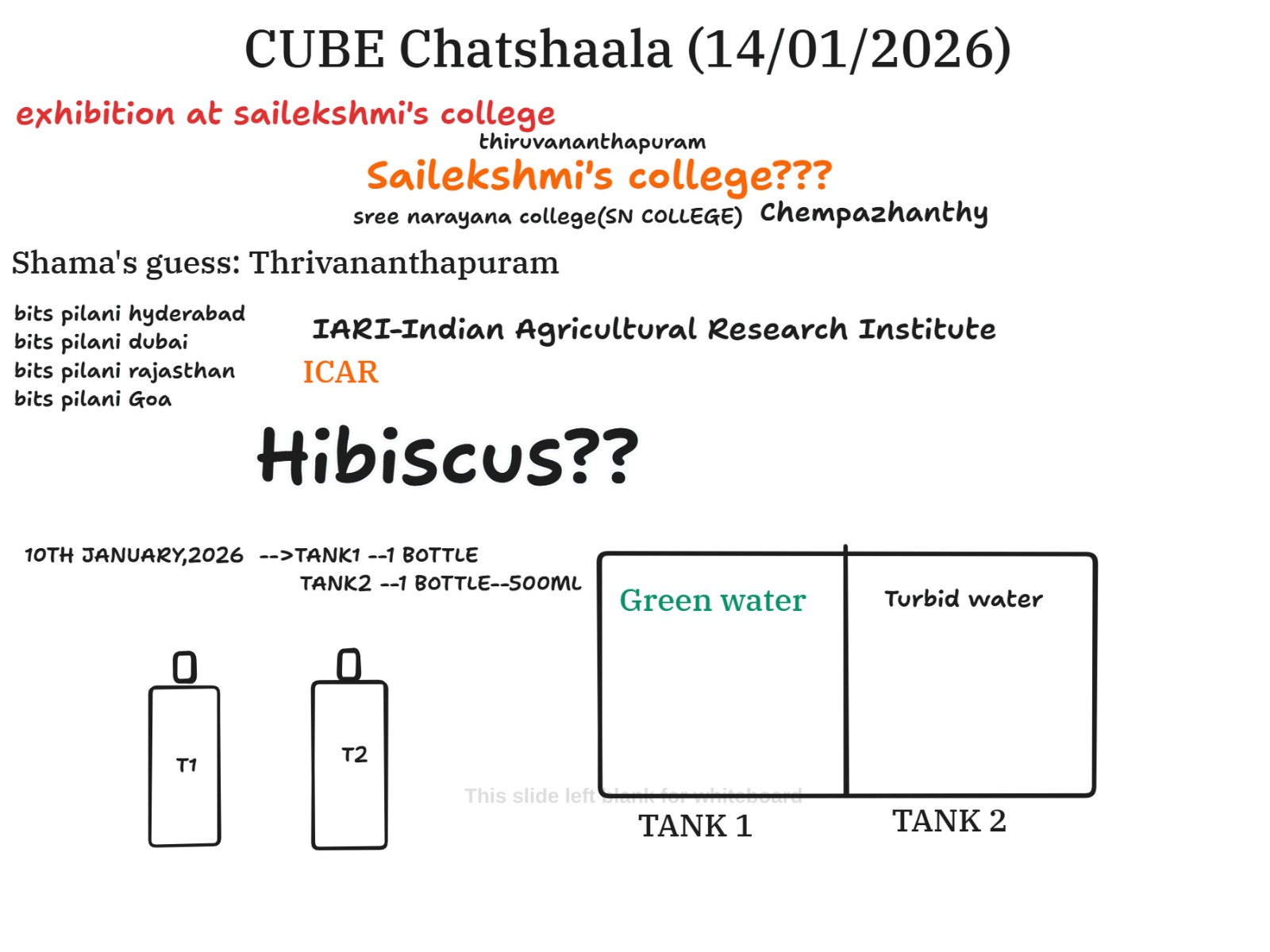
Today’s session of CUBE ChatShaala was a vibrant exploration of aquatic biology and citizen science, focusing heavily on the life cycle of Moina and the practicalities of field sampling. The discussion transitioned from experimental setups in Thiruvananthapuram to the microscopic intricacies of crustacean reproduction.
Key Discussion Points
-
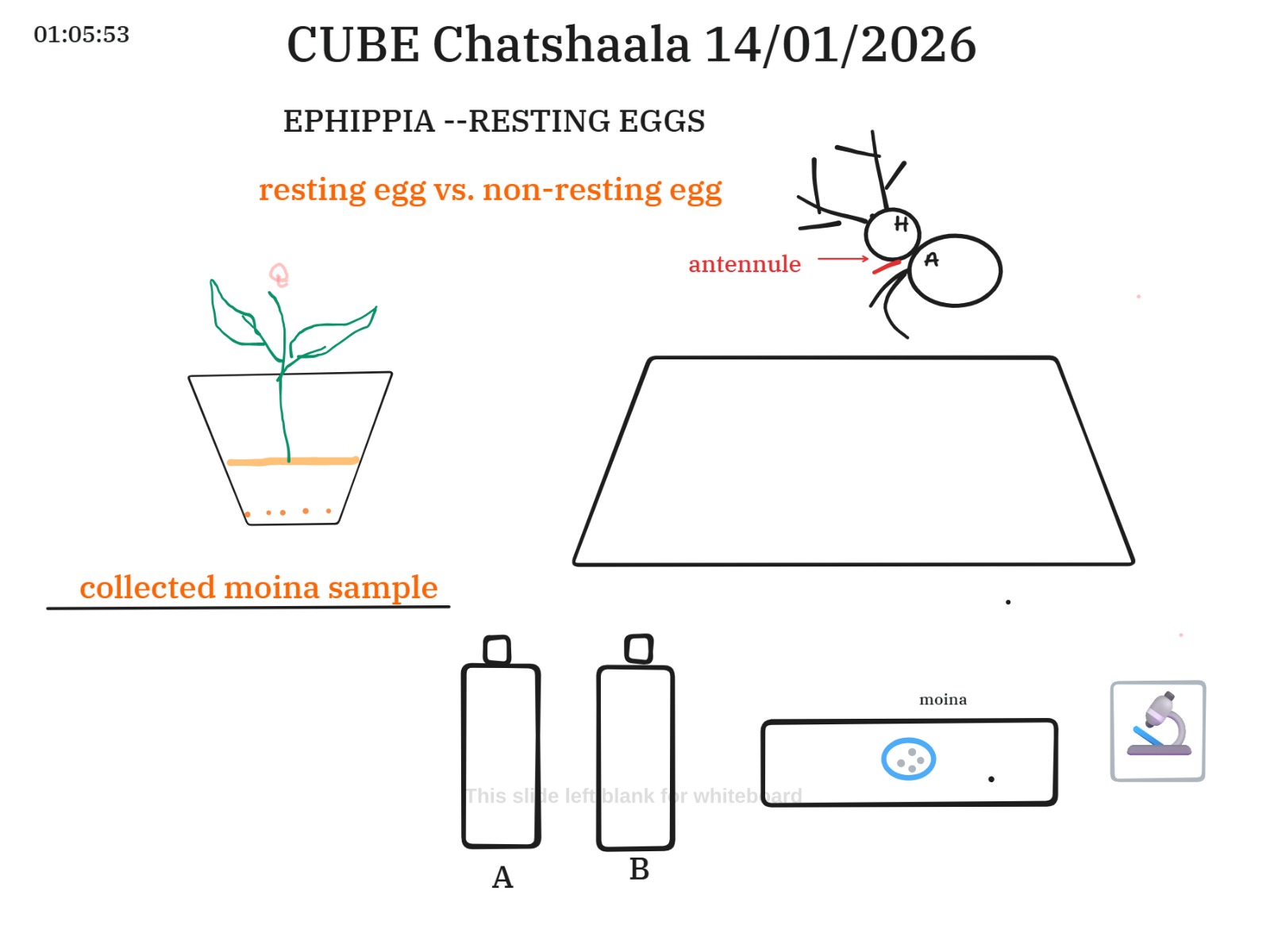
The Biology of Moina: A significant portion of the meeting was dedicated to understanding Ephippia—the “resting eggs” of Moina. We discussed the morphological differences between resting and non-resting eggs, noting how these dormant stages allow the species to survive adverse environmental conditions.
-
Experimental Observations: We reviewed samples collected from various locations. A comparison was drawn between Tank 1 (Green Water) and Tank 2 (Turbid Water). This led to a deeper inquiry into how water quality and phytoplankton density (the “greenness”) affect Moina health and population growth.
-
Institutional Collaboration: The session highlighted an upcoming exhibition at Sailekshmi’s college (SN College, Chempazhanthy) and touched upon the role of national institutes like IARI and ICAR in supporting agricultural and biological research.
-
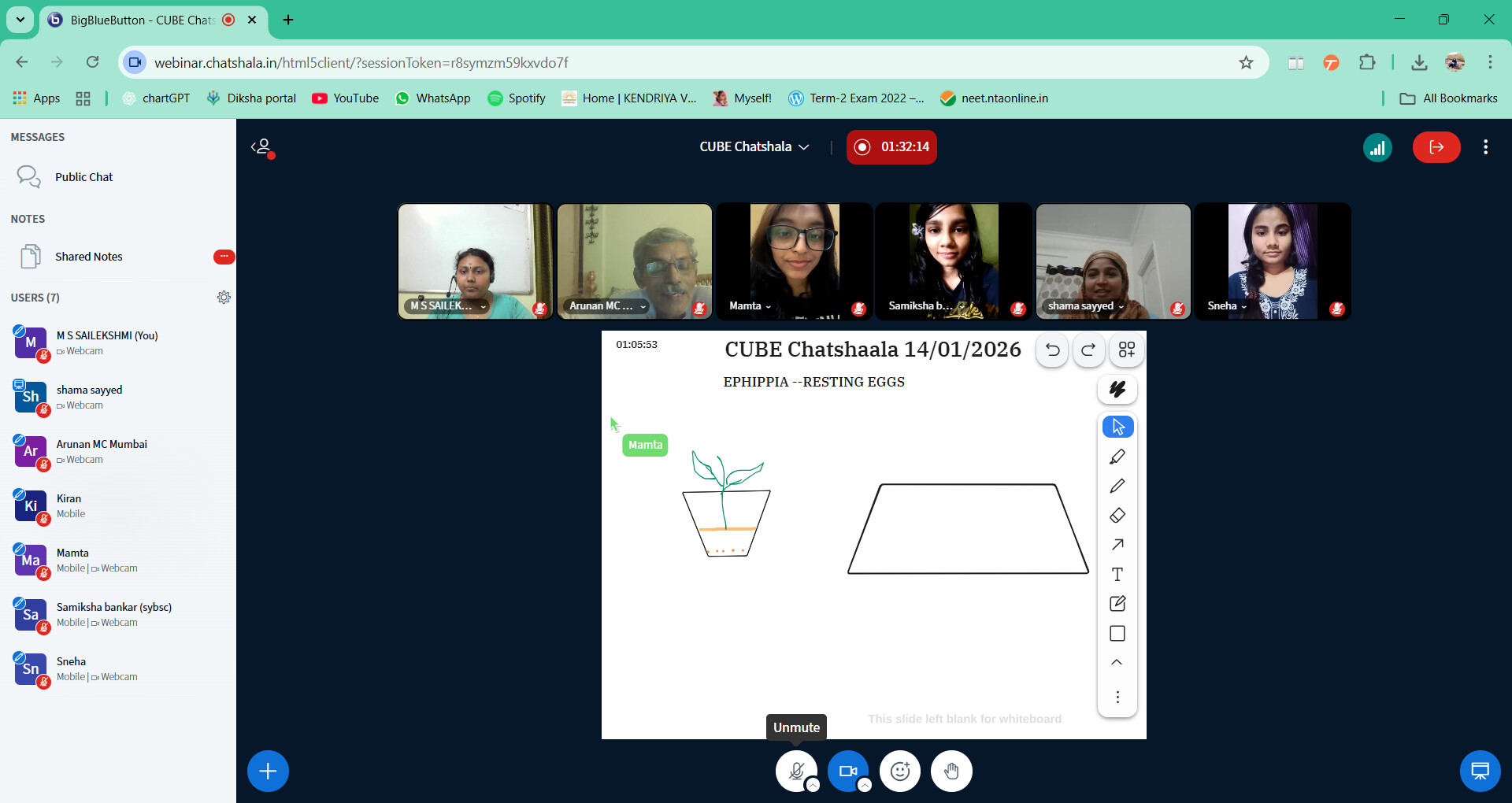
Anatomy & Identification: Using whiteboard sketches, the group identified key anatomical features of Moina, such as the antennule, to ensure accurate identification during microscopic analysis.
The TINKE Moments
(Think-Inquire-Next-Knowledge-Explore)
-
There was a breakthrough moment when participants realized that identifying the length and position of the antennule is the “fingerprint” for distinguishing Moina from other Cladocerans like Daphnia.
-
The realization that an Ephippium can remain “lifeless” for years and then hatch upon hitting the right water conditions sparked a deep fascination with the resilience of microscopic life.
 Gaps and Misconceptions
-
Turbidity vs. Productivity: A common misconception surfaced that “turbid” water is inherently “bad.” We clarified that turbidity can sometimes be rich in organic matter (detritus) which Moina feeds on, though it differs significantly from the oxygen-rich environment of “green water” (algal blooms).
-
Resting Egg Triggers: Some participants were unclear on exactly what triggers an egg to become a resting egg. Is it temperature, overcrowding, or lack of food? This remains a gap we need to bridge with more literature review.
 Provocative Queries for the CUBE Community
-
We see “seeds” in the water, but they aren’t plants. If an Ephippium can wait a decade to hatch, are we looking at a biological “time machine”? How do we wake them up without killing them?
-
If you were a Moina, would you rather live in a soup of green algae or a cloud of turbid silt? Our tanks show different stories—what is your backyard pond telling you today?
-
If you can’t find the antennule, do you even have a Moina? Why does such a tiny hair-like structure determine the entire genus of our specimen?
 What I Have Learned
I’ve learned that the “resting egg” is nature’s ultimate backup drive. It’s not just an egg; it’s a survival strategy that challenges our definition of “active life.” Furthermore, the shift from a lab setting to a college exhibition at SN College shows that science isn’t just about looking through a microscope—it’s about how we communicate those microscopic findings to the world.
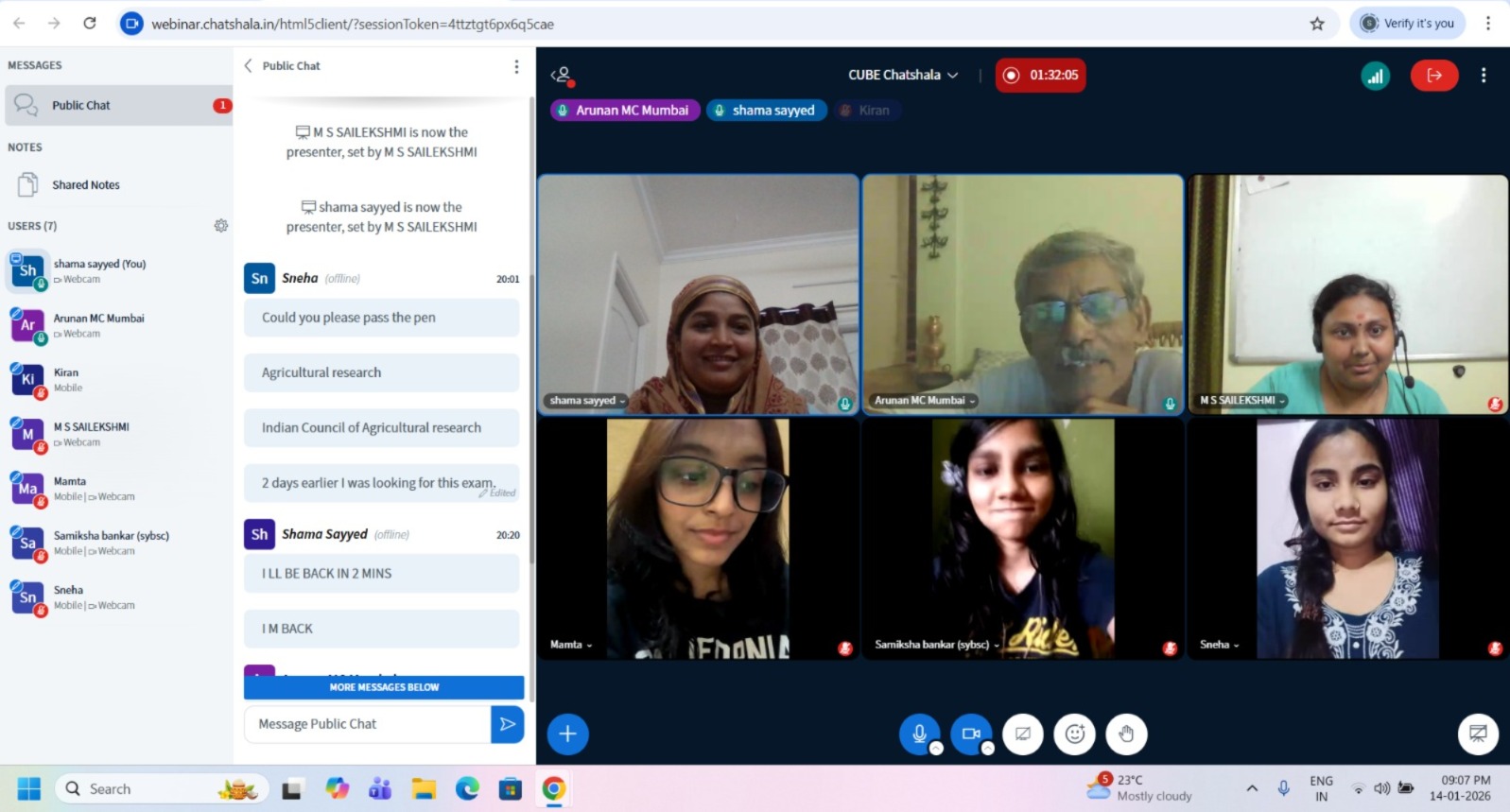
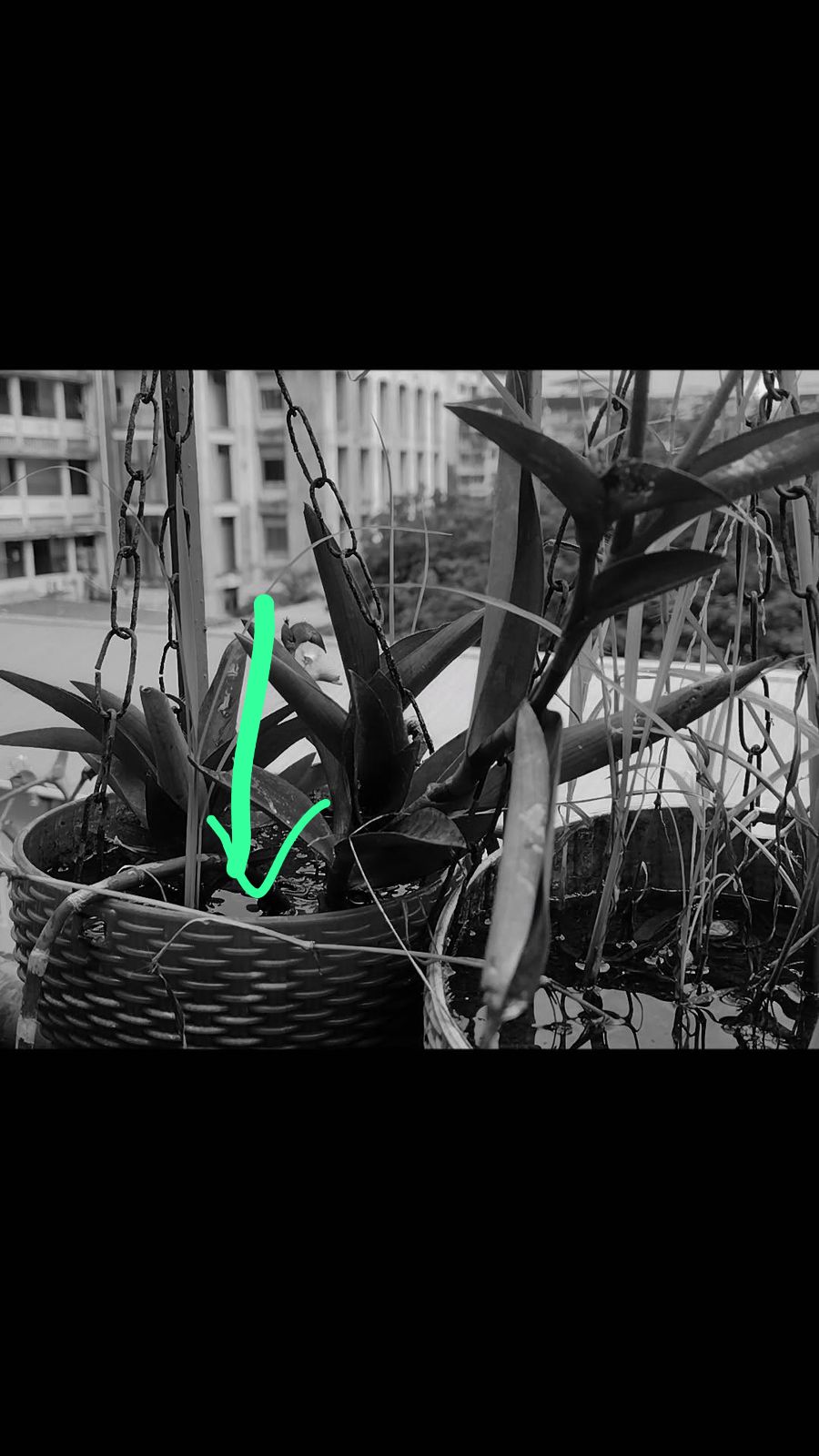
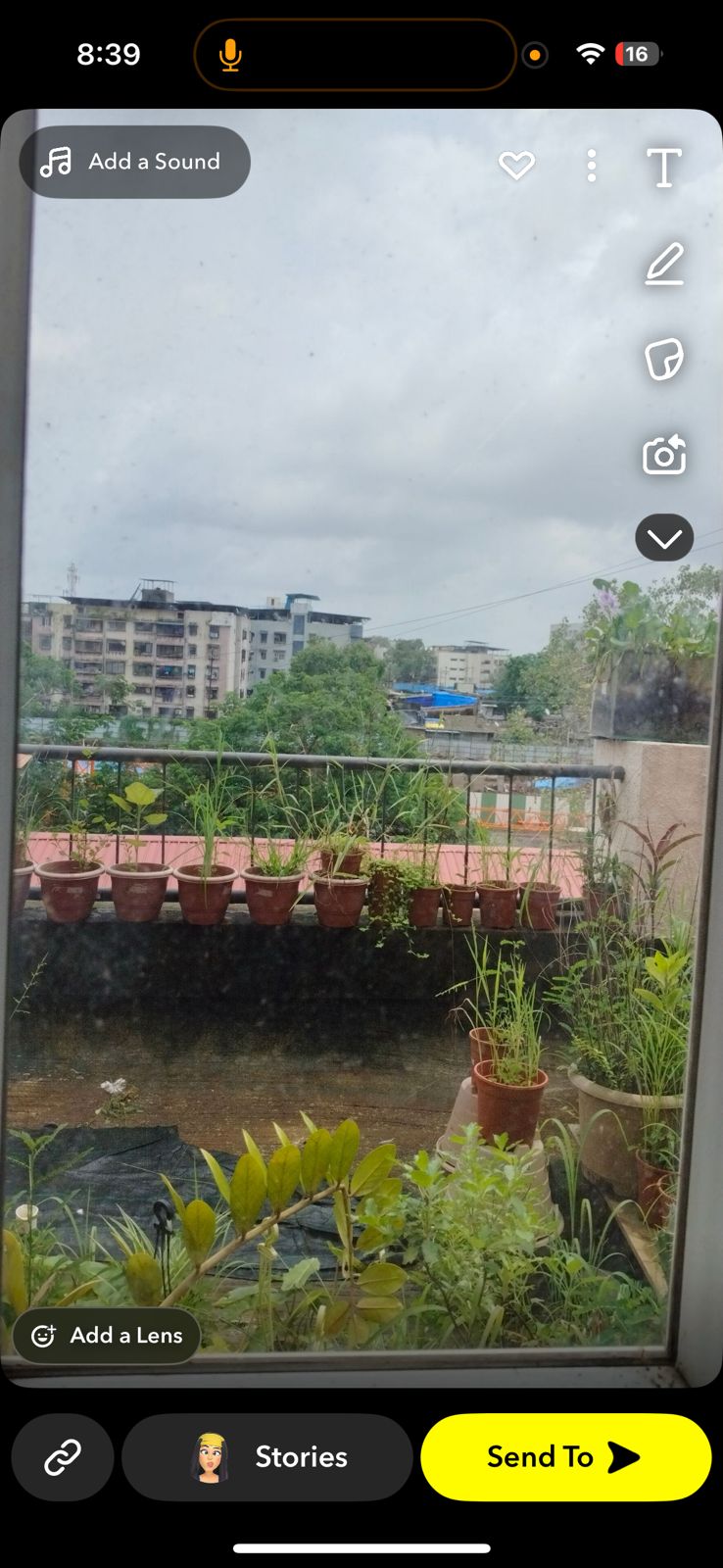
 Photographs during Chatshaala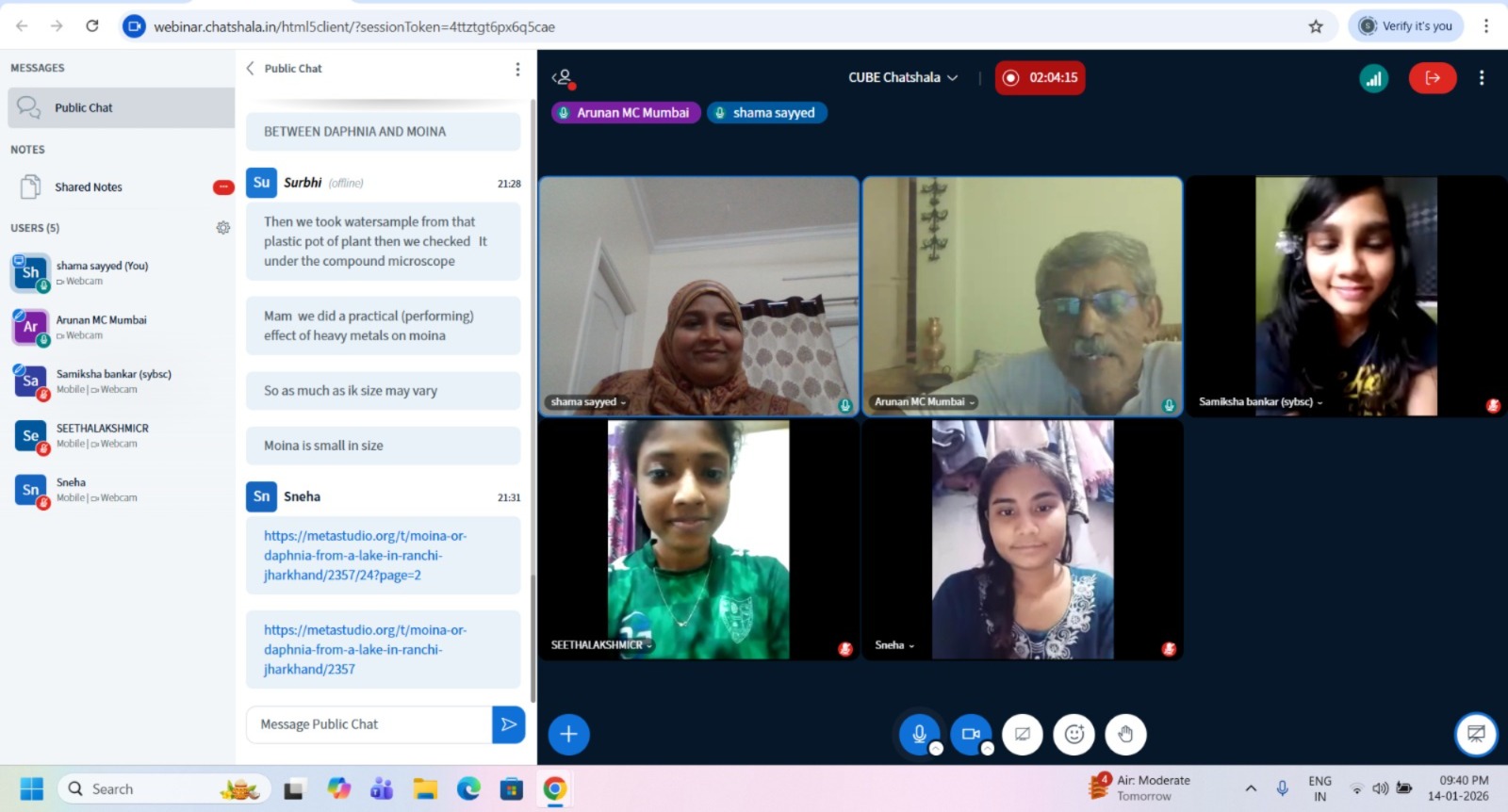
 Reference