 CUBE ChatShaala Summary – 21.08.2025
Theme: Lantana Plant Model & Ethnopharmacology
 Discussion Highlights
Today’s ChatShaala centered around the exploration of Lantana plant as a potential model for ethnopharmacological studies.
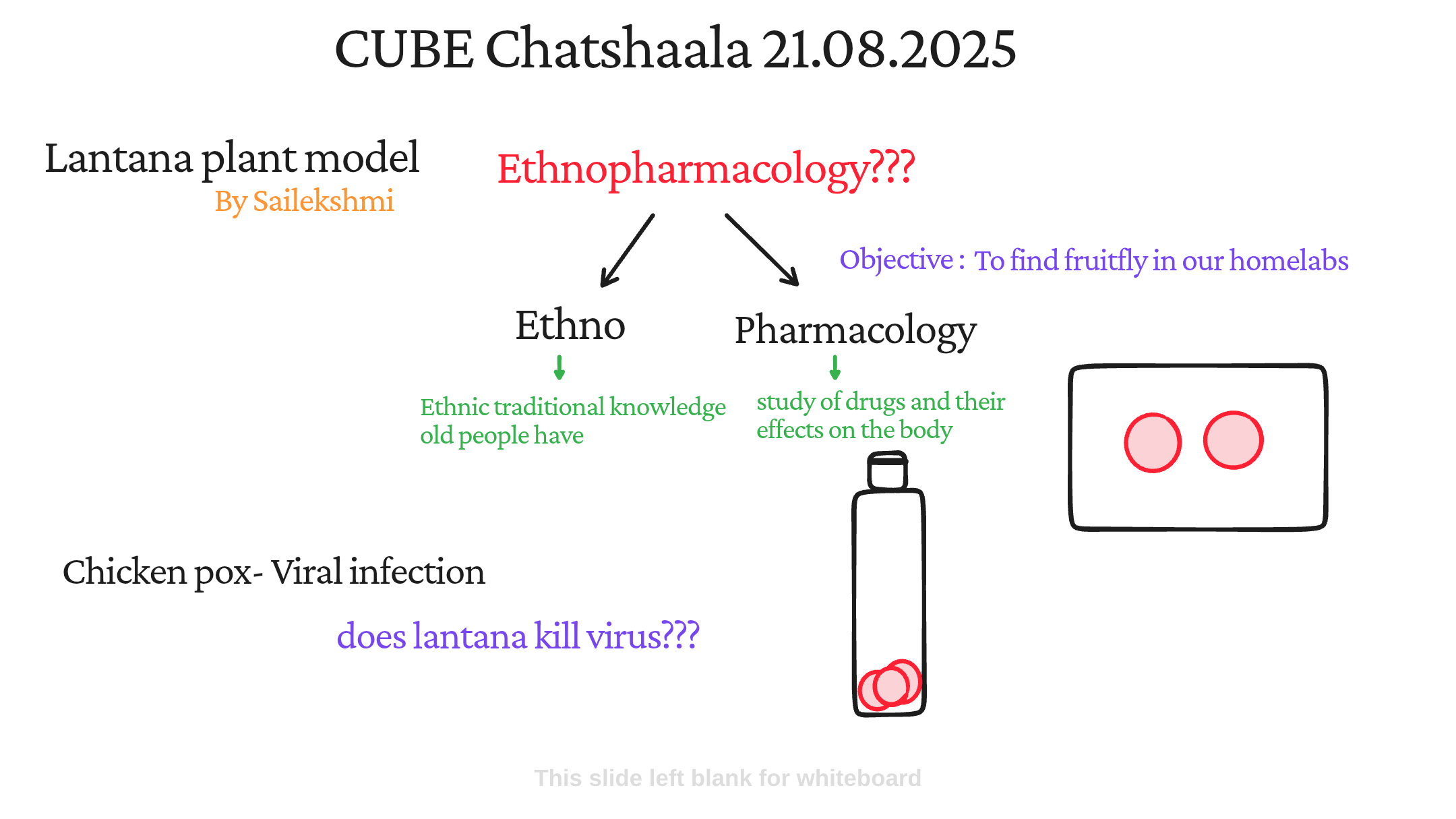
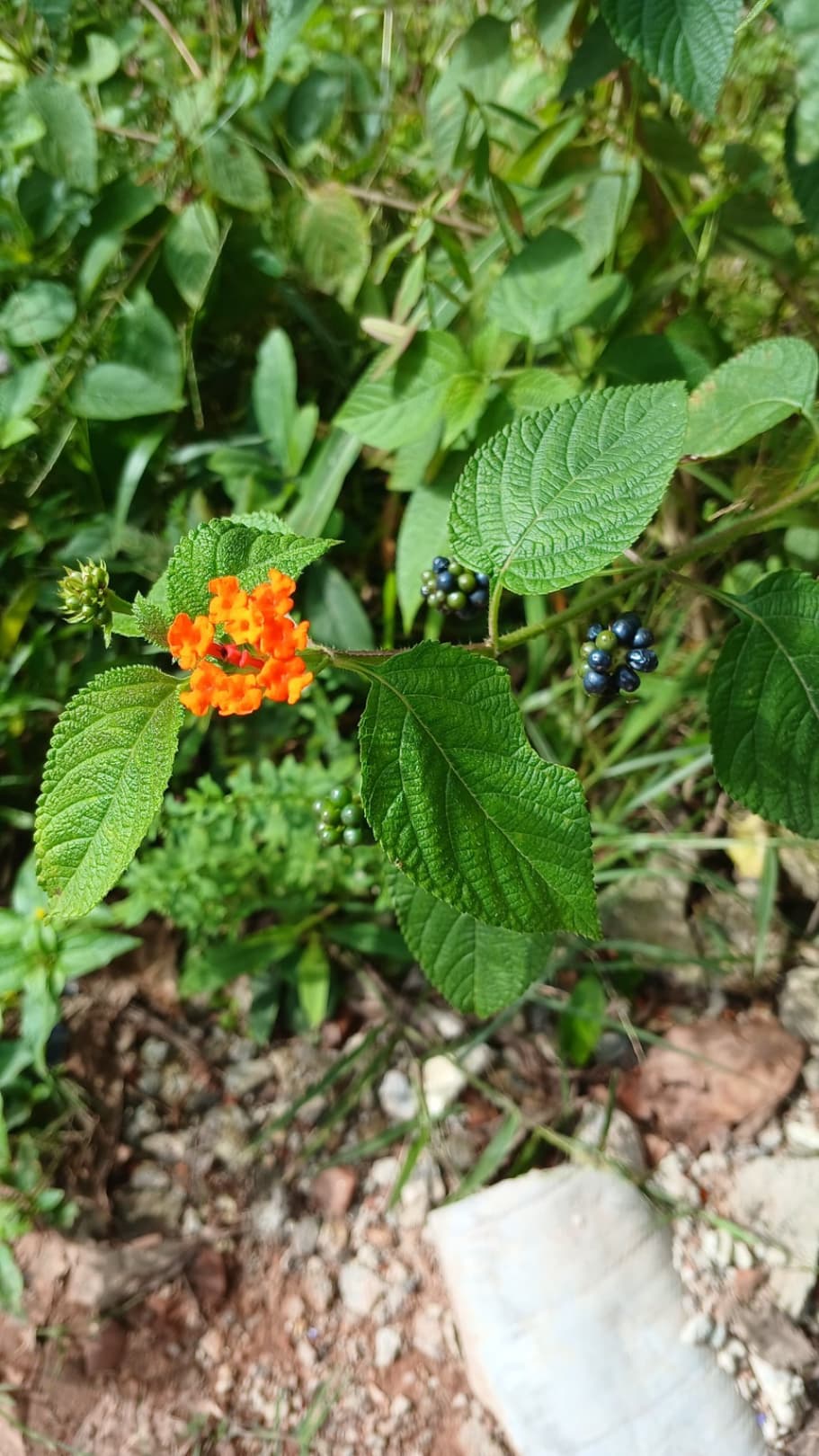
- Lantana as a Model System:
The session began with observations on Lantana camara, a widely available plant known for its medicinal as well as invasive nature. Participants discussed its potential as a homelab model for studying medicinal properties and ecological interactions.
- Understanding Ethnopharmacology:
The term Ethnopharmacology was broken down into its two components:
-
Ethno: Traditional or indigenous knowledge that communities, especially elders, have about plants and their uses.
-
Pharmacology: The scientific study of drugs, their actions, and their effects on the body.
This helped connect community wisdom with modern experimental validation. -
Case Study – Chickenpox & Lantana:
A key discussion point was the traditional use of Lantana leaves in treating chickenpox. Since chickenpox is caused by a virus, the question naturally arose: Does Lantana have antiviral properties? This provoked a scientific challenge — can we test such claims in homelabs with simple model organisms like fruit flies?
- Objective in Homelabs:
The overarching aim discussed was to design fruitful experiments in homelabs, connecting local plants and traditional knowledge with practical biological testing.
 Provocative Queries for the Community
 Can Lantana camara, often called a weed, turn into a scientific treasure in our homelabs?
If traditional healers used Lantana for chickenpox, how can we scientifically validate whether it fights viruses?
Could simple homelab experiments using fruit flies or microbes open new windows into ethnopharmacology research?
Is there hidden value in local weeds that we overlook because of their invasive nature?
 What I Learned
-
Ethnopharmacology is not just a scientific term but a bridge between cultural wisdom and laboratory testing.
-
Lantana, usually considered harmful, carries unexplored potential for research.
-
Viral infections like chickenpox raise complex questions about the limits of plant-based treatments, but also inspire experiments.
-
Homelabs can be transformed into spaces where folk knowledge meets modern biology.
 TINKE Moments (Today I Now Know Enough)
-
I now know enough about ethnopharmacology to explain it simply as “traditional knowledge + scientific testing.”
-
I now know enough to question whether Lantana has antiviral properties and how such claims can be tested.
-
I now know enough to see fruit flies as a bridge organism to connect folk remedies with lab science.
-
I now know enough to look at invasive weeds differently — as potential model systems rather than just ecological problems.
 Today’s discussion turned a common roadside weed into a scientific inspiration, reminding us that sometimes answers to big questions can be found in the most unexpected plants around us.
 Reference
@KiranKalakotiR @Arunan @SN1261 @sakshiconsultant2002 @shama @akanksha and others.