 CUBE ChatShaala – Discussion Summary (10/03/2026)
Today’s ChatShaala focused on clarifying the distinction between mold and fungus, exploring their structures, roles, and implications for health and daily life. The session began with diagrams of fungal morphology—spores, hyphae, and rhizoids—used to illustrate how molds grow as multicellular filaments and reproduce through spores.
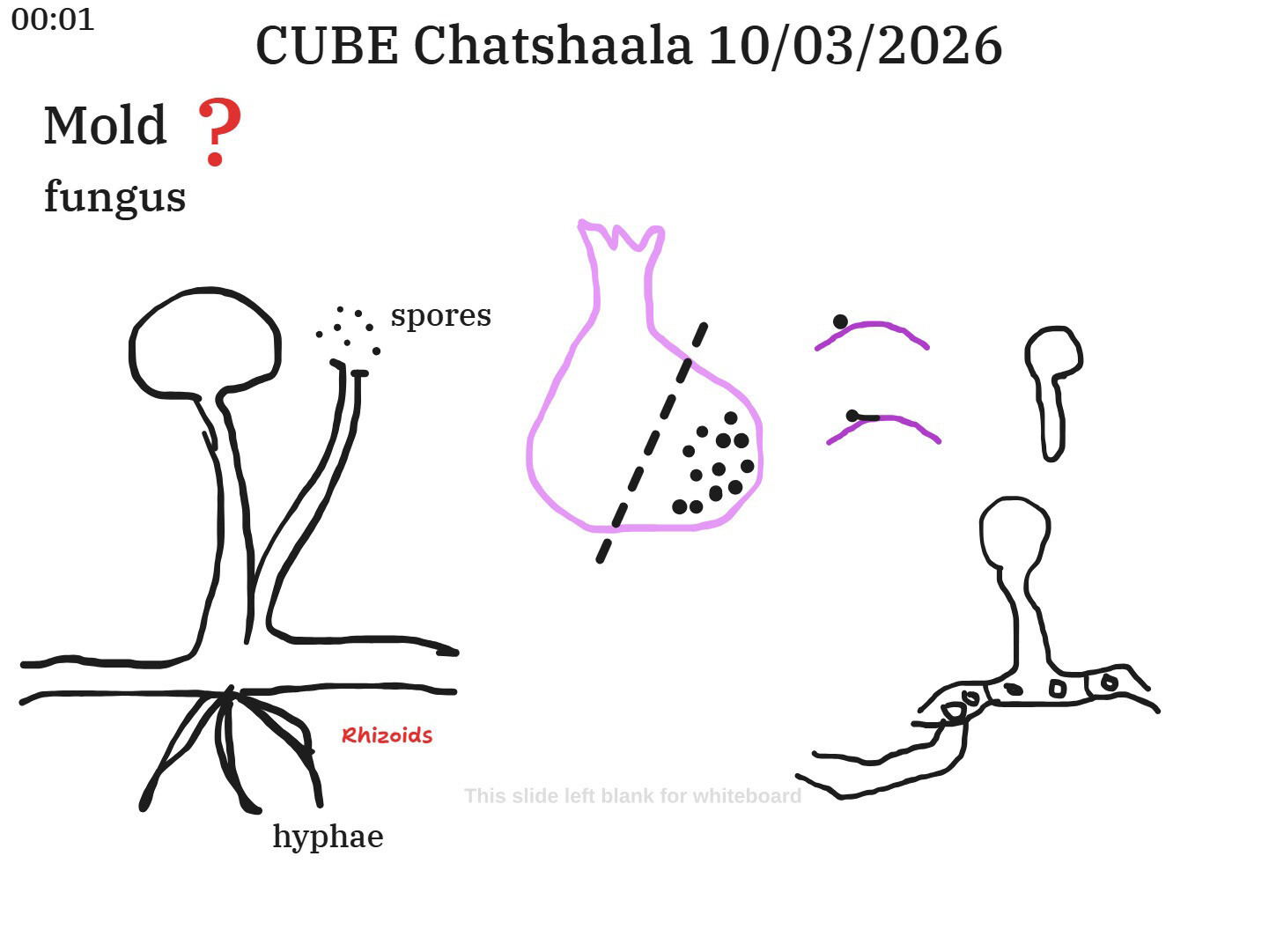
Cubits discussed how mold is a specific type of fungus, always multicellular, producing cottony growth on organic matter, while fungus is a broader category that includes molds, mushrooms, and yeast. The conversation highlighted practical examples: molds producing antibiotics like penicillin, yeast used in baking and ethanol production, and mushrooms as macroscopic fruiting bodies.
Attention then shifted to real-world concerns: mold in reusable water bottles, black powdery growth on onions (identified as Aspergillus niger), and the health risks of consuming or inhaling mold spores. The group emphasized preventive measures—cleaning bottles thoroughly, discarding heavily infected onions, and recognizing environments where mold thrives (dark, damp, nutrient-rich).
The discussion blended taxonomy, morphology, and applied health awareness, making fungal biology both scientifically rigorous and personally relevant.
 Provocative Questions
-
If molds are just one type of fungus, why do we often treat “mold” and “fungus” as separate categories in everyday language?
-
How does the structure of hyphae give molds an advantage in colonizing surfaces compared to unicellular yeast?
-
Could the beneficial uses of molds (antibiotics, cheese production) outweigh their harmful effects in daily life?
-
What ecological role do fungi play in nutrient cycling, and how might this connect to human health risks from mold exposure?
-
Why does Aspergillus niger appear on onions, and what does this reveal about food storage and fungal adaptation?
-
How might the invisible biofilm in water bottles change our perception of “clean” drinking water?
 What I Have Learned
-
Mold is a subset of fungi: all molds are fungi, but not all fungi are molds.
-
Structural differences matter: molds are filamentous and multicellular, while fungi as a group include unicellular yeast and macroscopic mushrooms.
-
Reproduction varies: molds produce conidia and sporangiospores, while yeast reproduces by budding.
-
Health implications are real: mold in water bottles or onions can cause allergic reactions, respiratory problems, or stomach issues.
-
Dual nature of fungi: they are both beneficial (antibiotics, food production) and harmful (spoilage, infections).
 TINKE Moments (This I Never Knew Earlier)
-
Biofilm in water bottles—The idea that a slimy film signals hidden mold and bacteria was surprising and eye-opening.
-
Mold on onions as Aspergillus niger—Learning that the black powdery substance is a specific mold species clarified a common kitchen mystery.
-
Molds in cheese and antibiotics—The same organisms that spoil food can also produce life-saving medicines, showing fungi’s paradoxical role.
-
Hyphae with multiple nuclei—The structural detail that mold hyphae contain identical nuclei was a new insight into fungal biology.
 Gaps and Misconceptions
-
Language confusion: Many people casually use “mold” and “fungus” interchangeably, without realizing mold is just one type of fungus.
-
Perception of safety: Some assume all molds are harmless because certain fungi are edible (like mushrooms), but exposure can be dangerous.
-
Cleaning habits: The assumption that water bottles only hold “clean water” overlooks the risk of microbial growth in moist, enclosed spaces.
-
Food storage myths: Believing onions with black spots are always safe after peeling ignores the risk of fungal toxins.
 Photographs during Chatshaala

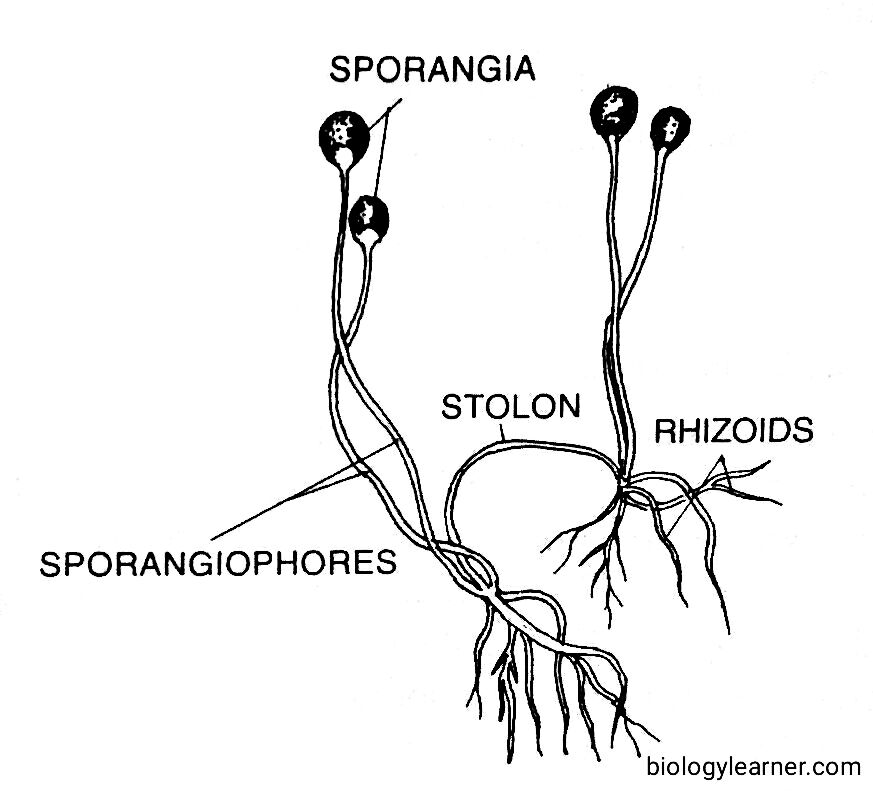
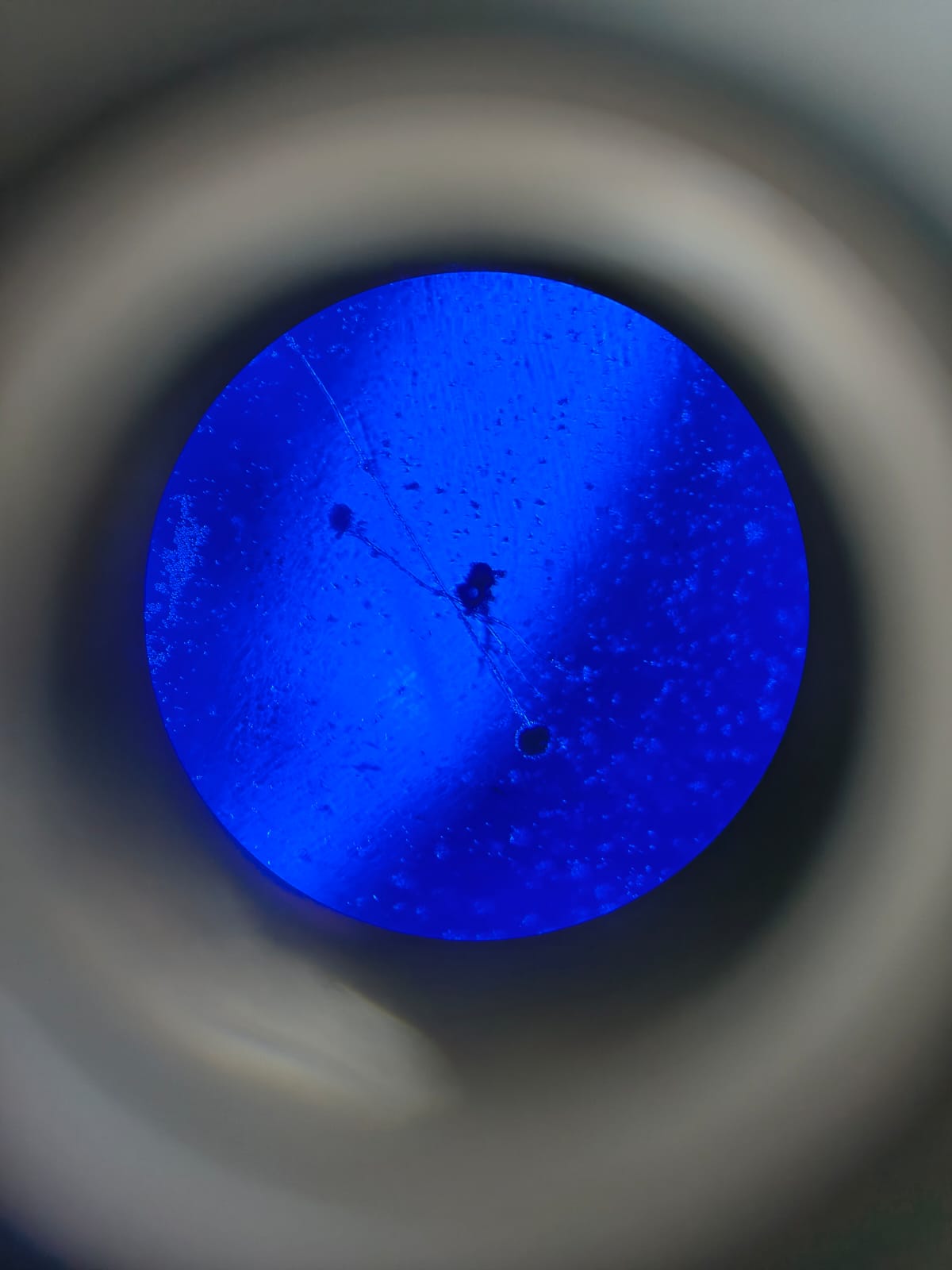
 Reference
-
Mold vs. Fungus: Key Differences & Similarities You Should Know
-
https://www.sciencedirect.com/topics/agricultural-and-biological-sciences/mucor https://keralakaumudi.com/en/news/news.php?id=1547111&u=what-is-the-black-powdery-something-on-onions-what-happens-if-you-eat-ithttps://keralakaumudi.com/en/news/news.php?id=1547111&u=what-is-the-black-powdery-something-on-onions-what-happens-if-you-eat-it