 CUBE Chatshaala - Discussion Summary
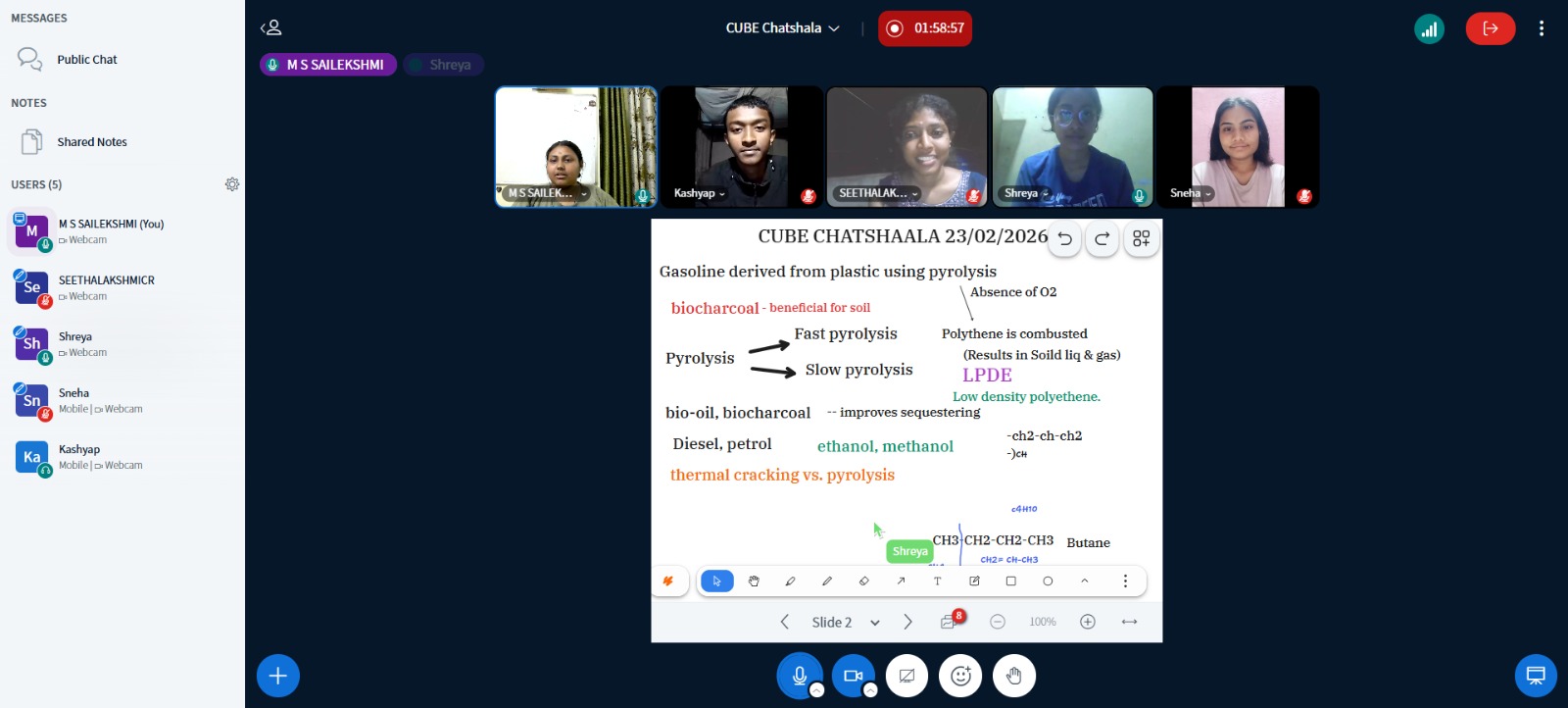
The CUBE ChatShaala session on 23 February 2026 focused on the theme of pyrolysis as a method to derive gasoline and other fuels from plastic waste as the thesis. The discussion began with Shreya, a 1st-year BSc biotechnology student from Elphinstone College, Mumbai, Maharashtra, with the fundamentals of pyrolysis—thermal decomposition of organic material in the absence of oxygen—and explored its variations, such as fast and slow pyrolysis. Participants examined the chemical structures of plastics, particularly low-density polyethylene (LDPE), and how its branching structure influences pyrolysis outcomes.
Attention was given to the products of pyrolysis: bio-oil, biochar, and syngas, with emphasis on their potential uses. Biochar was highlighted for its role in soil improvement and carbon sequestration, while bio-oil and syngas were linked to fuel production. Comparisons were drawn between thermal cracking and pyrolysis, noting that pyrolysis is more controlled and environmentally favorable.
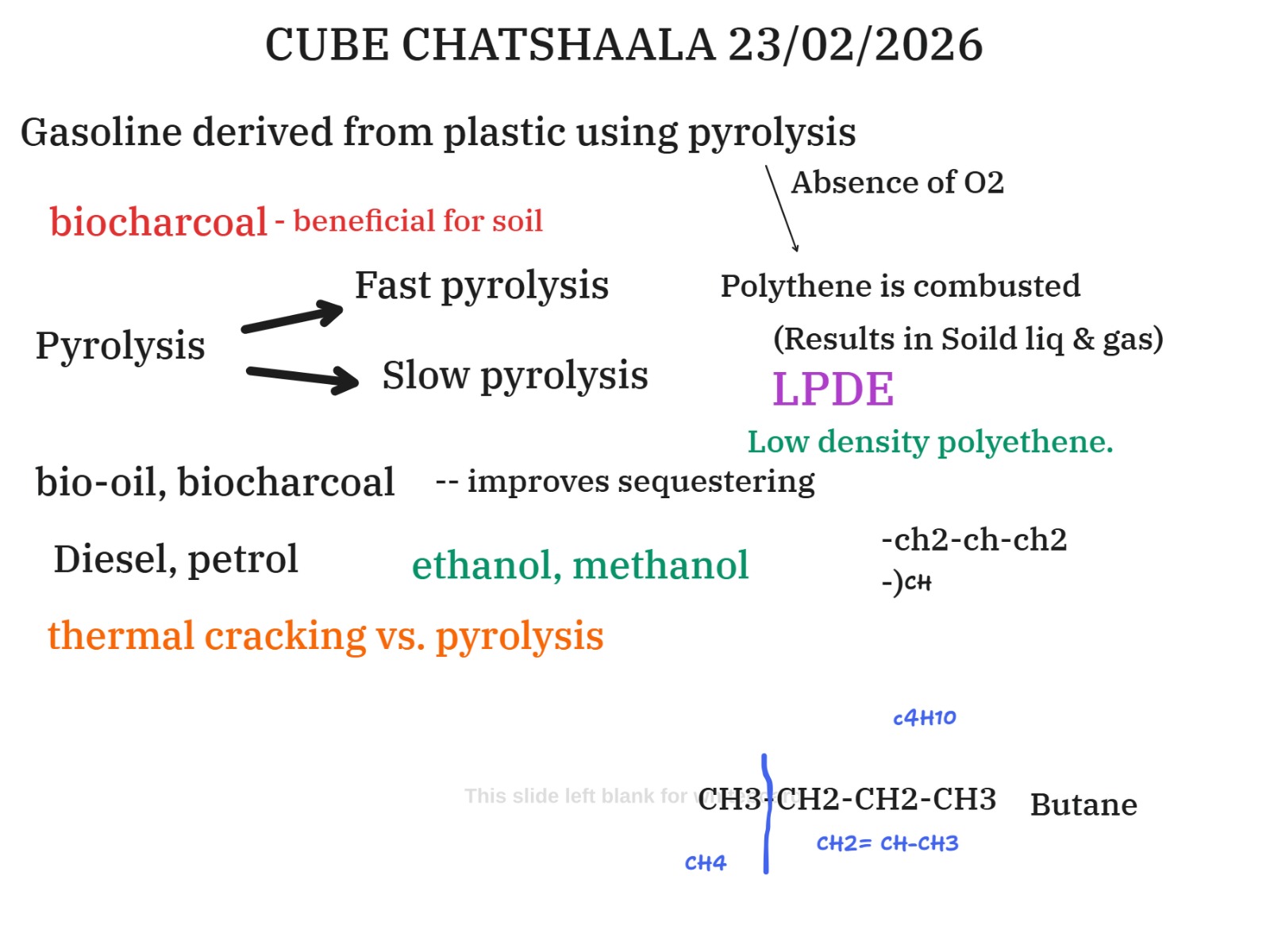
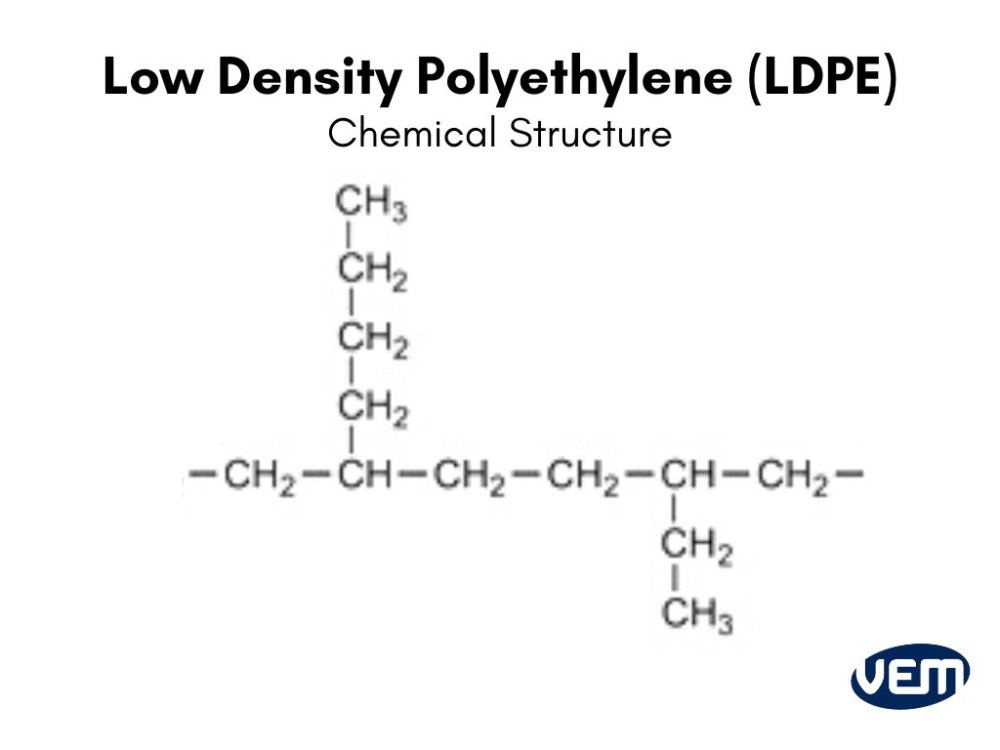
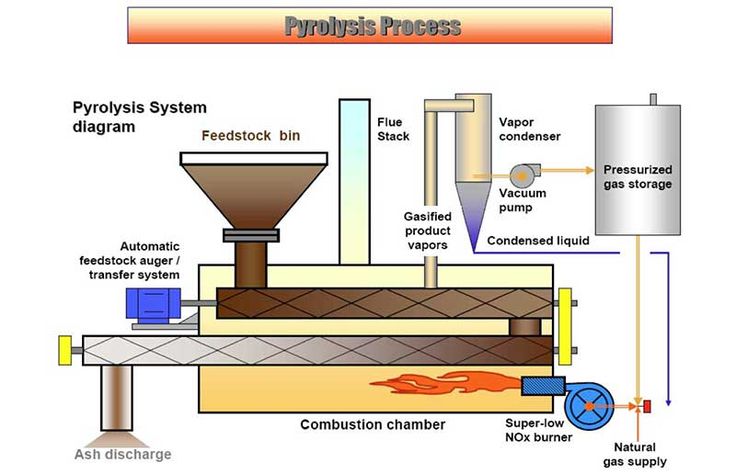
A significant part of the discussion addressed pyrolysis as a sterilization technique. High-temperature processes, including plasma pyrolysis and microwave-assisted pyrolysis, were described as capable of destroying pathogens, infectious agents, and even resistant cytotoxic drugs. At extreme temperatures (1,300–1,730°C), infectious agents in medical waste are eliminated, while at 2,730°C toxic compounds are broken down. The resulting gases are inert and non-toxic, with minimal ash residue, making pyrolysis both a sterilizing and environmentally safe process.
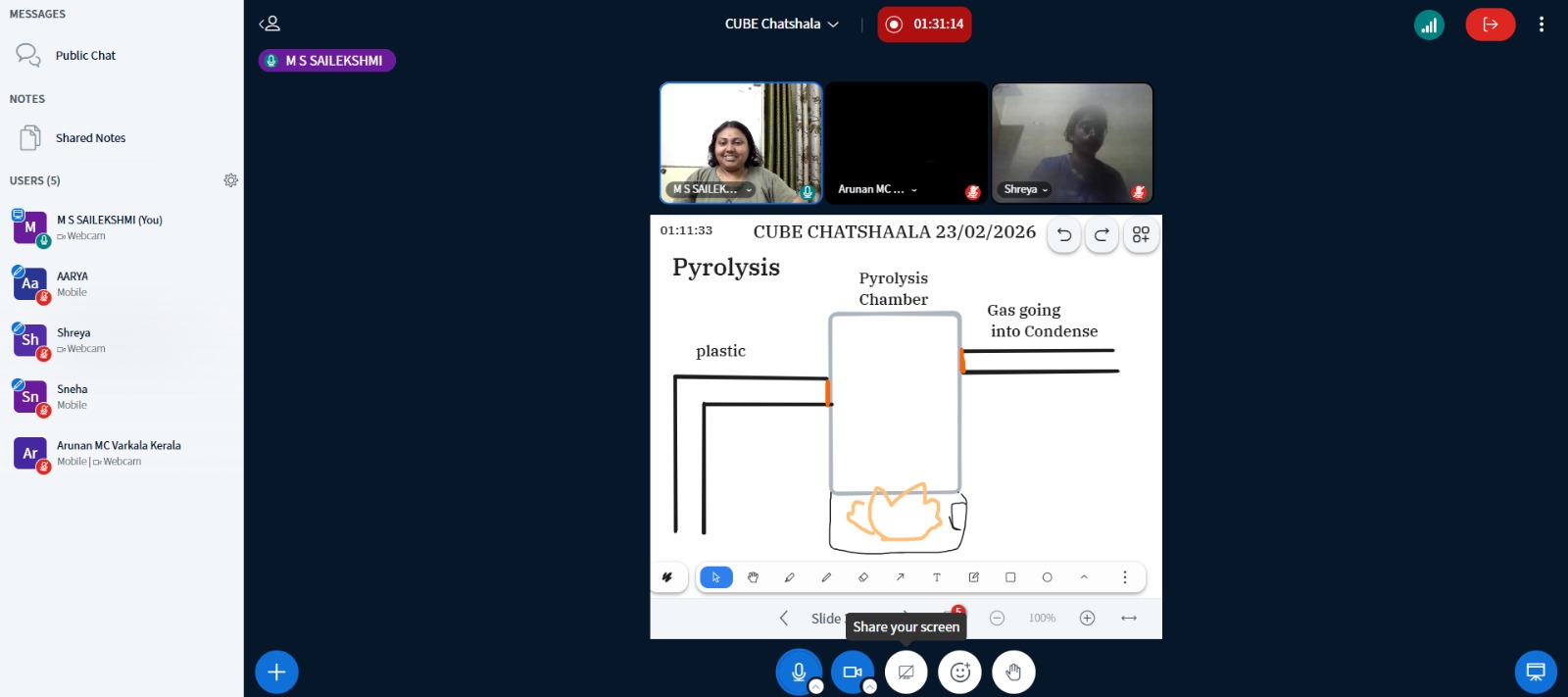
The diagrams shared during the session illustrated the setup of pyrolysis chambers, the flow of gases into condensers, and the technical layout of a pyrolysis system. These visuals helped participants connect theoretical chemistry with practical engineering applications.
 Provocative Questions
-
Can pyrolysis realistically replace conventional incineration for medical waste management, given its sterilization potential?
-
How does the branching structure of LDPE influence the yield of bio-oil compared to other plastics?
-
What are the environmental trade-offs between pyrolysis and traditional fuel refining methods?
-
Could pyrolysis become a scalable solution for both plastic waste management and energy production in developing countries?
-
How might advances in plasma pyrolysis reshape the future of hospital waste disposal?
-
Is biochar from plastic-derived pyrolysis truly beneficial for soil health, or does it carry hidden risks?
-
What role could pyrolysis play in achieving circular economy goals, especially in urban waste management systems?
 What I Have Learned
From this session, I gained a deeper understanding of pyrolysis not only as a waste-to-energy technology but also as a sterilization process. The dual benefit of producing useful fuels while eliminating pathogens makes pyrolysis uniquely valuable. I learned that the chemical structure of plastics, such as LDPE, directly affects pyrolysis outcomes and that biochar can contribute to carbon sequestration. The discussion clarified the distinction between thermal cracking and pyrolysis, reinforcing the idea that pyrolysis is more controlled and environmentally safer.
Most importantly, I realized that pyrolysis is not just about energy recovery—it is also about public health and environmental safety, especially when applied to hazardous medical waste.
 TINKE Moments ( This I Never Knew Earlier)
-
Pyrolysis as sterilization: I had not previously considered pyrolysis as a method for destroying pathogens and cytotoxic drugs. This was a surprising and eye-opening aspect.
-
Extreme temperatures in plasma pyrolysis: Learning that temperatures above 2,700°C can break down toxic compounds was striking, as it highlights the sheer power of advanced pyrolysis systems.
-
Biochar from plastics: The idea that biochar derived from plastic pyrolysis could improve soil health was unexpected and raised questions about its long-term safety.
-
Microwave-assisted pyrolysis: The mention of medium-heat microwave techniques for sterilization was novel, showing how diverse pyrolysis technologies can be.
 Gaps and Misconceptions
-
Misconception about pyrolysis being simple combustion: Some participants initially equated pyrolysis with burning plastic, but the distinction—absence of oxygen and controlled decomposition—was clarified.
-
Uncertainty about soil benefits of plastic-derived biochar: While biochar from biomass is well-documented, its safety and effectiveness when derived from plastics remain unclear.
-
Scalability concerns: There was limited discussion on whether pyrolysis can be economically scaled for large urban waste systems, leaving a gap in practical feasibility.
-
Energy balance questions: The session did not fully address whether the energy required for high-temperature pyrolysis outweighs the energy recovered from its products.
 Photographs during Chatshaala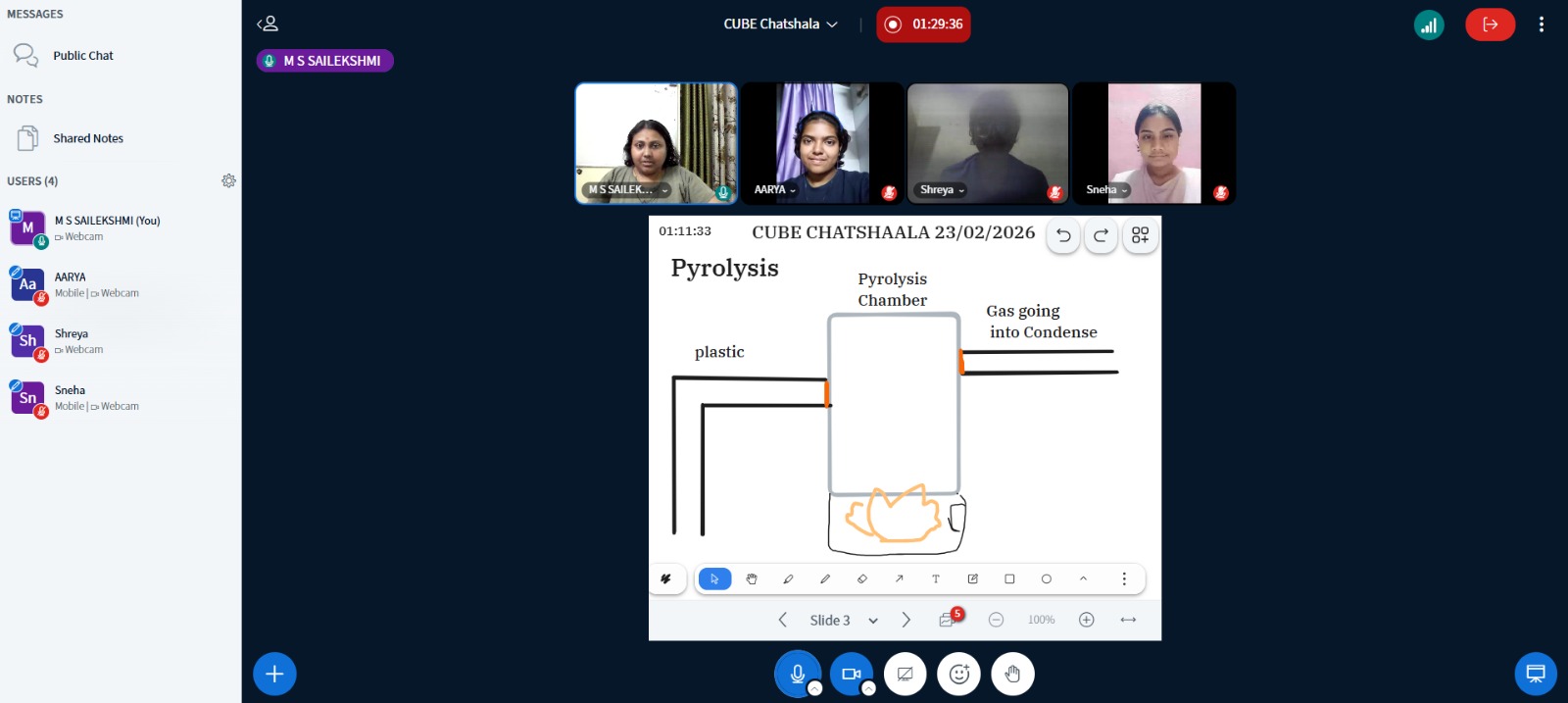
 Reference