 CUBE ChatShaala – Discussion Summary
Today’s ChatShaala session (05/03/2026) centered on human genetics through the lens of dental health, using teeth as a model system to explore genetic, developmental, and environmental influences. The discussion began with a focus on the number and types of teeth in adults (32) and children (20), highlighting incisors, canines, premolars, and molars. Anatomical diagrams helped participants visualize the crown, neck, and root of teeth, as well as their arrangement in the upper and lower jaws.
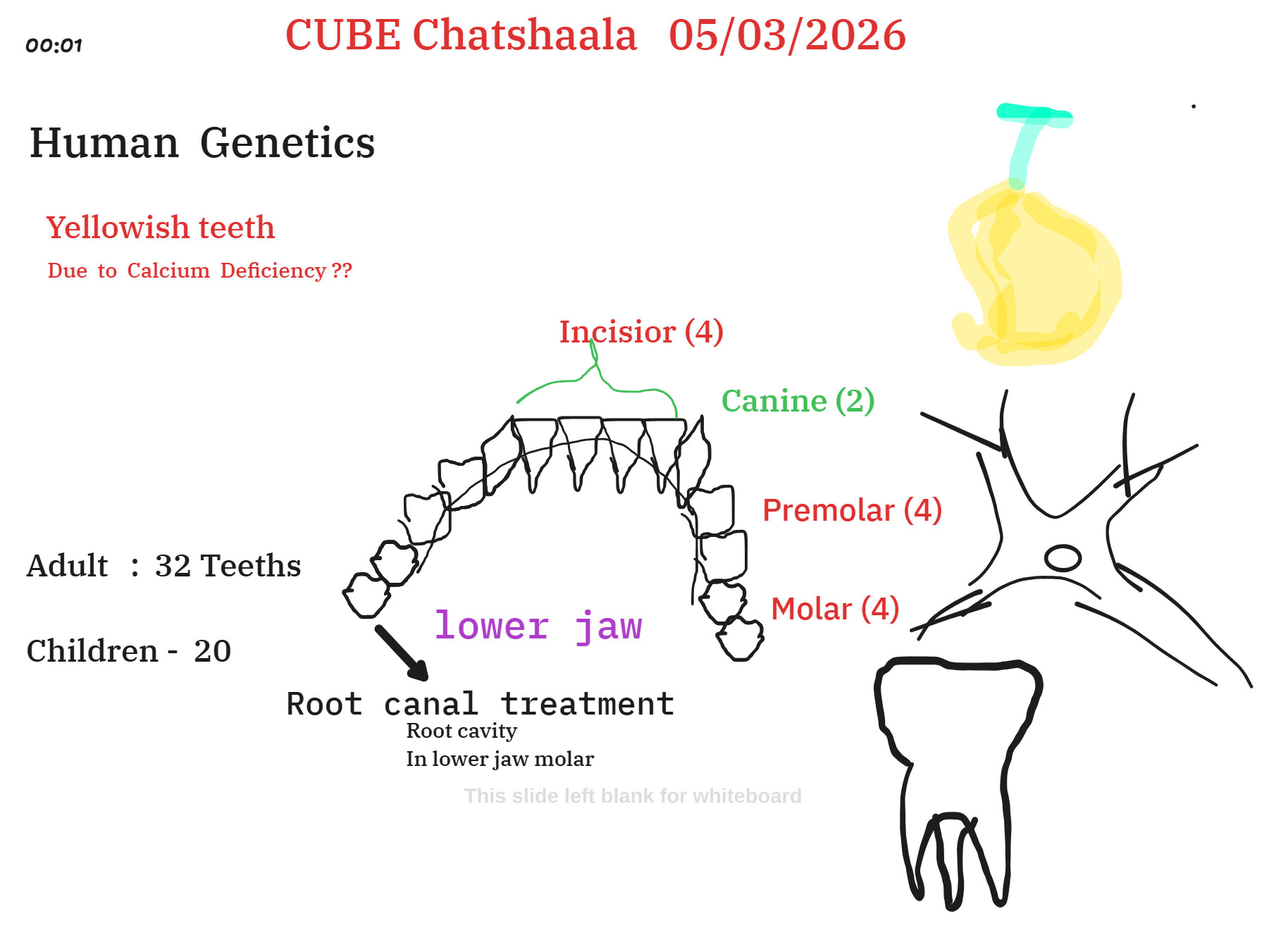
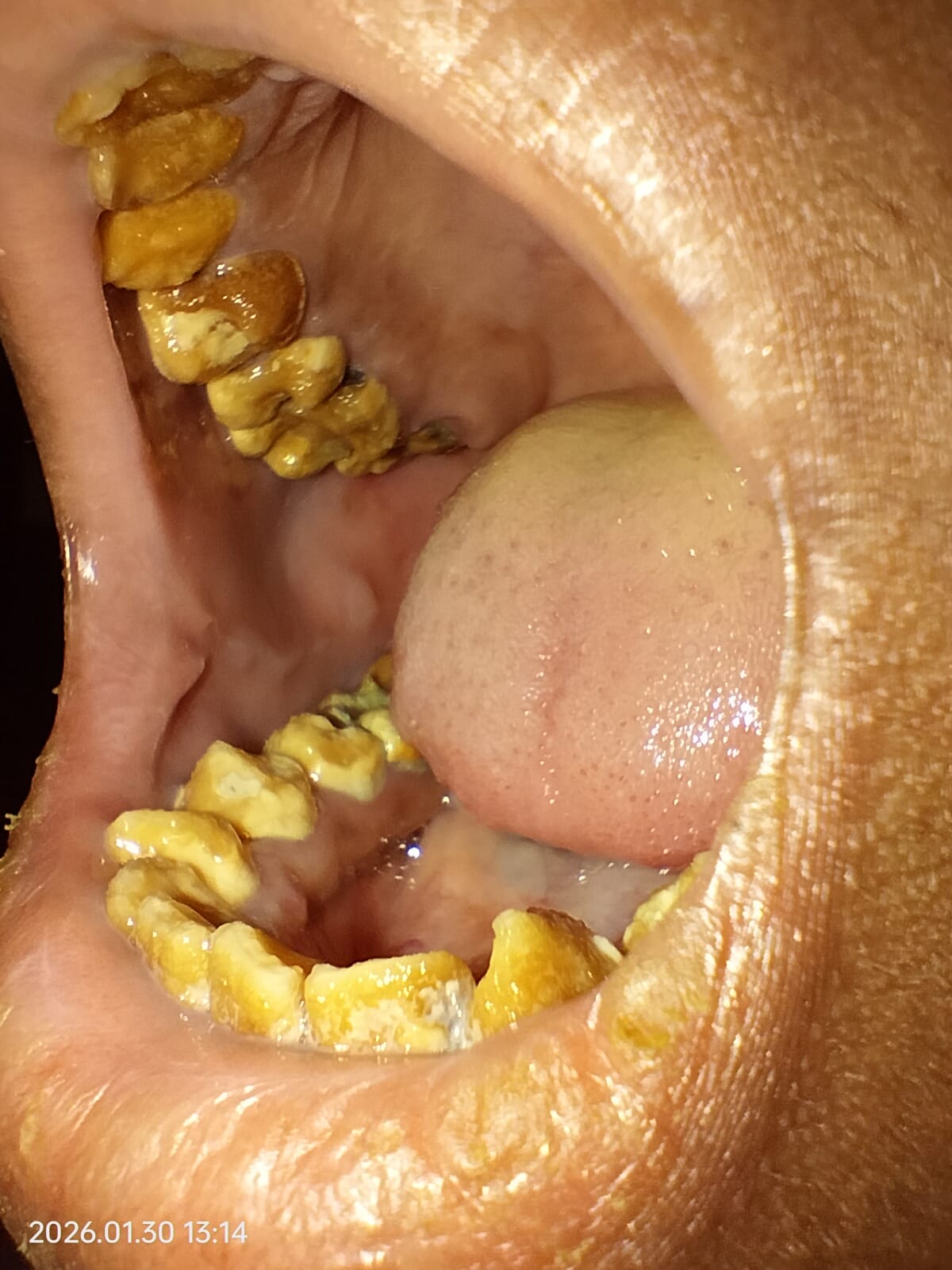
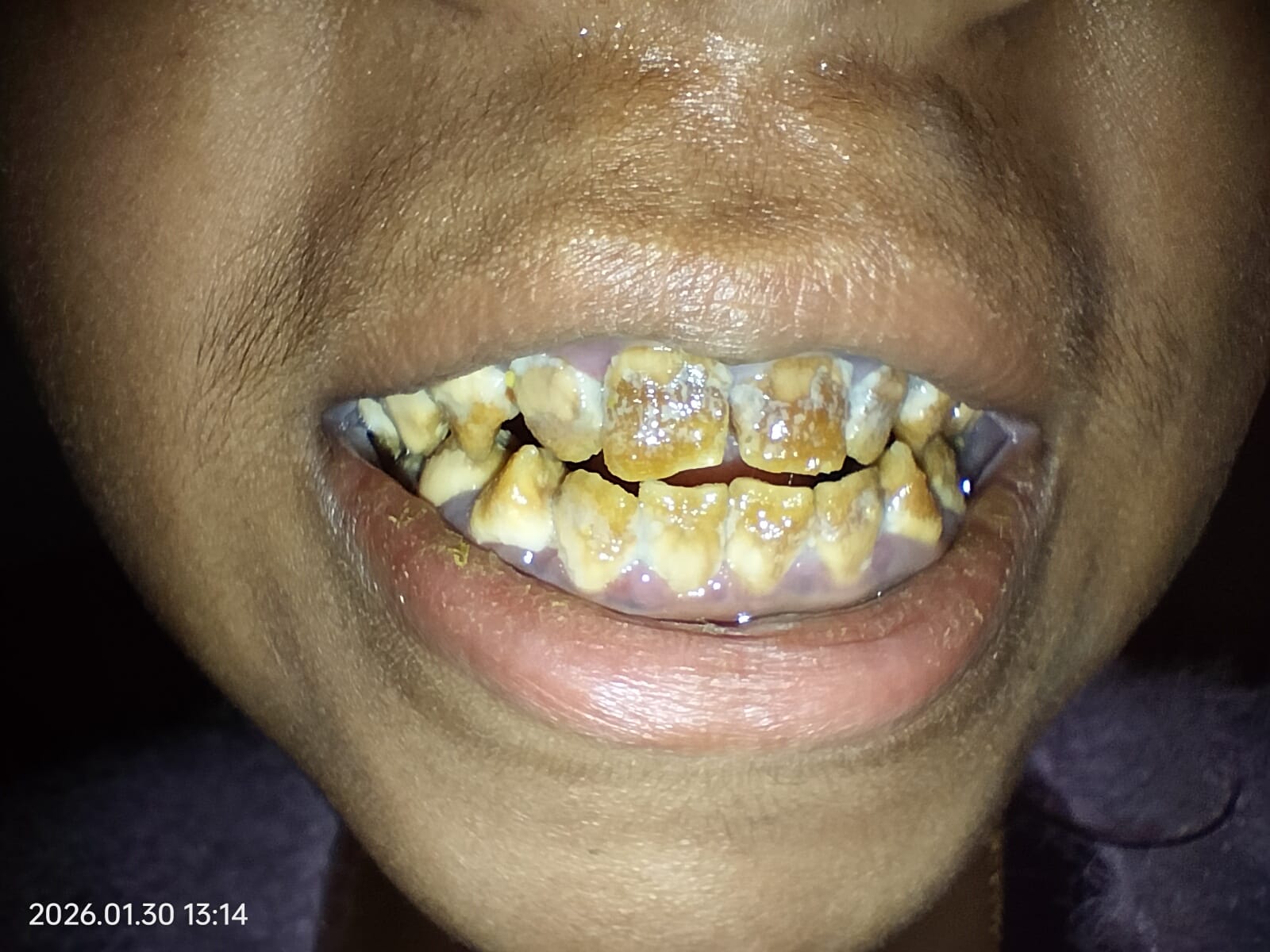
A key point of debate was the cause of yellowish teeth. The Cubists questioned whether calcium deficiency alone could explain discoloration, leading to a broader conversation about oral hygiene, enamel integrity, and genetic predispositions. The session also touched on dental conditions such as cavities and the need for root canal treatment, particularly in molars of the lower jaw.
The conversation expanded to include **wisdom teeth—their evolutionary role, common problems, and surgical removal. Cubists also examined how nerve damage and trauma can affect dental health, linking this to broader genetic and developmental pathways. References from Cleveland Clinic and Southlake Endodontics provided authoritative grounding for these discussions.
Overall, the meeting blended anatomical knowledge, clinical perspectives, and genetic insights, encouraging participants to think critically about how everyday health issues like tooth decay and discoloration intersect with genetics and environment.
 Provocative Questions
-
If yellowish teeth are not solely due to calcium deficiency, what other genetic or environmental factors might contribute?
-
Why do humans develop wisdom teeth if they often cause problems—are they evolutionary relics, or do they still serve a purpose?
-
How might genetic variation influence susceptibility to cavities or gum disease?
-
Could studying dental health provide clues about broader human genetic conditions?
-
What does the difference in tooth number between children and adults reveal about developmental biology?
-
How does nerve damage in teeth connect to our understanding of pain perception and genetics?
 What I Have Learned
-
Teeth are not just mechanical tools for chewing; they are windows into human genetics and development.
-
Discoloration of teeth is a multifactorial issue, involving genetics, diet, hygiene, and possibly systemic health conditions—not simply calcium deficiency.
-
The transition from 20 primary teeth to 32 permanent teeth reflects a complex developmental process influenced by both genetics and environment.
-
Wisdom teeth highlight the tension between evolutionary history and modern human biology, often becoming vestigial and problematic.
-
Dental trauma and nerve damage illustrate how oral health is deeply connected to neurological and genetic pathways.
 TINKE Moments (This I Never Knew Earlier)
-
Yellowish teeth and calcium deficiency – The assumption that discoloration is purely due to lack of calcium was challenged, revealing the importance of considering multiple causes.
-
Wisdom teeth as evolutionary relics – Many participants realized for the first time that these teeth may reflect dietary needs of ancient humans rather than modern ones.
-
Root canal treatment and genetics—The link between dental procedures and genetic predisposition to cavities or weak enamel sparked new insights.
-
Teeth as genetic markers – The idea that studying teeth can provide clues about broader genetic conditions was a surprising and thought-provoking realization.
 Gaps and Misconceptions
-
Calcium deficiency misconception: Many participants initially believed yellow teeth were directly caused by calcium deficiency, overlooking other factors like enamel wear, plaque, or genetics.
-
Wisdom teeth misunderstanding: Some assumed wisdom teeth are universally harmful, without recognizing their evolutionary context.
-
Simplified view of dental health: The tendency to see dental issues as purely mechanical ignored the genetic and systemic dimensions of oral health.
 Photographs during Chatshaala
 Reference
 Why sensitivity happens
 How foods affect teeth
 Can teeth regenerate?