 CUBE ChatShaala Session - September 25 2025
Discussion Overview
The session focused on a detailed examination of two distinct experimental narratives concerning the plant species Cardamine, specifically presented by Sneha and Batul. The objective was to meticulously analyze the setup, observations, and preliminary conclusions derived from their respective studies.


Sneha’s Cardamine Story Analysis
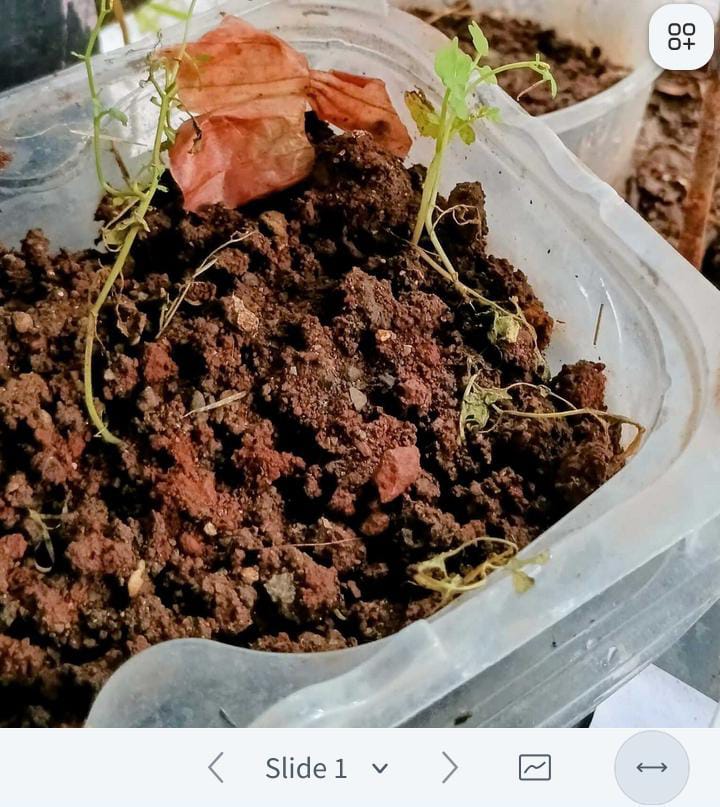
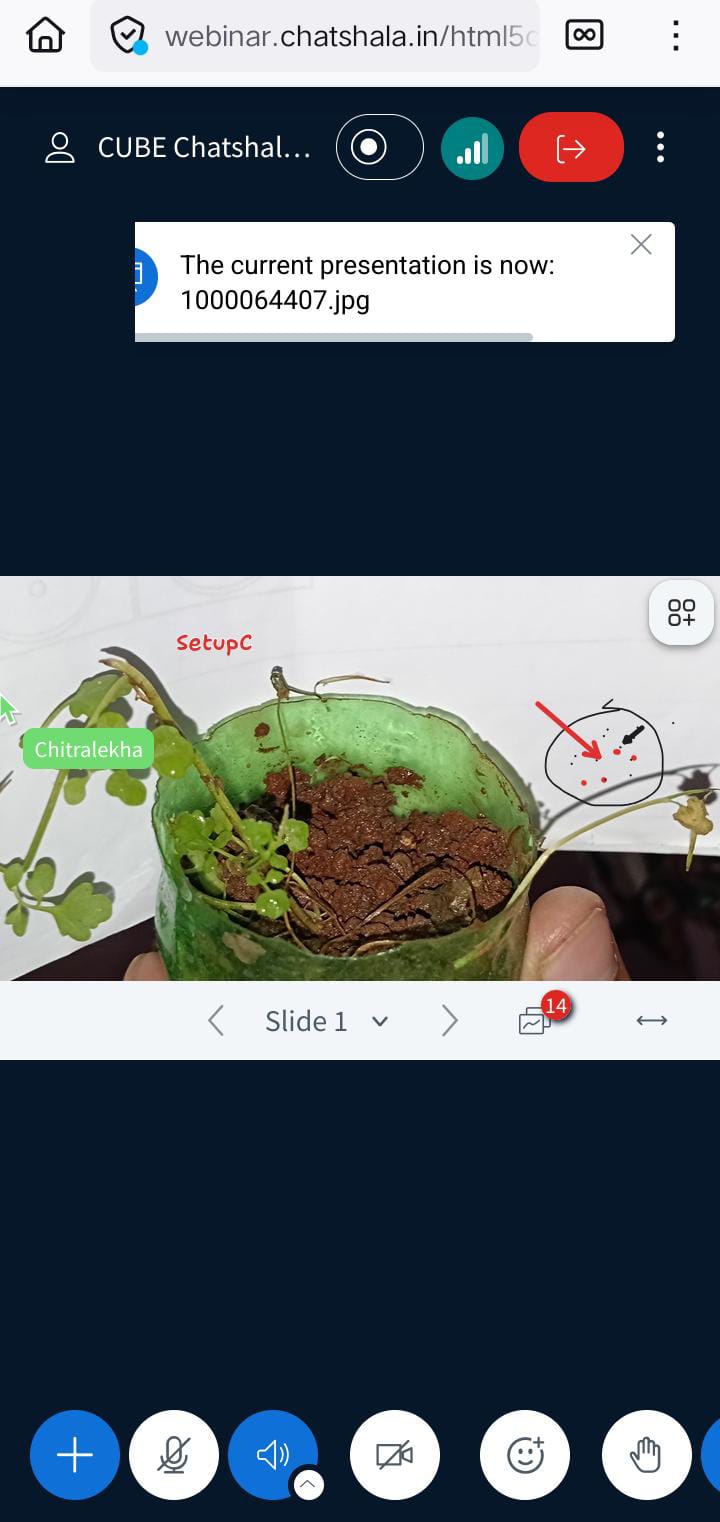
Sneha’s presentation involved the observation of young Cardamine seedlings established in soil contained within a repurposed green plastic bottle. Key observations included:
-
Initial Setup (Setup C): The plant, labeled ‘Chitralekha,’ was shown, with soil appearing dark brown and possibly rich in organic matter. An annotation indicated the presence of small, reddish-brown particles (potentially seeds, fungal spores, or soil components).
-
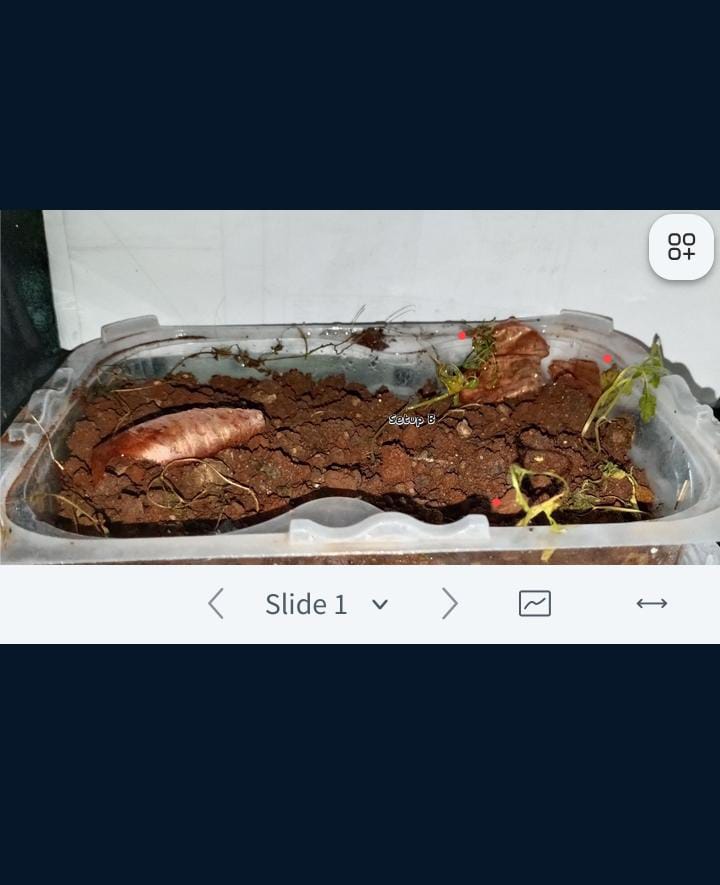
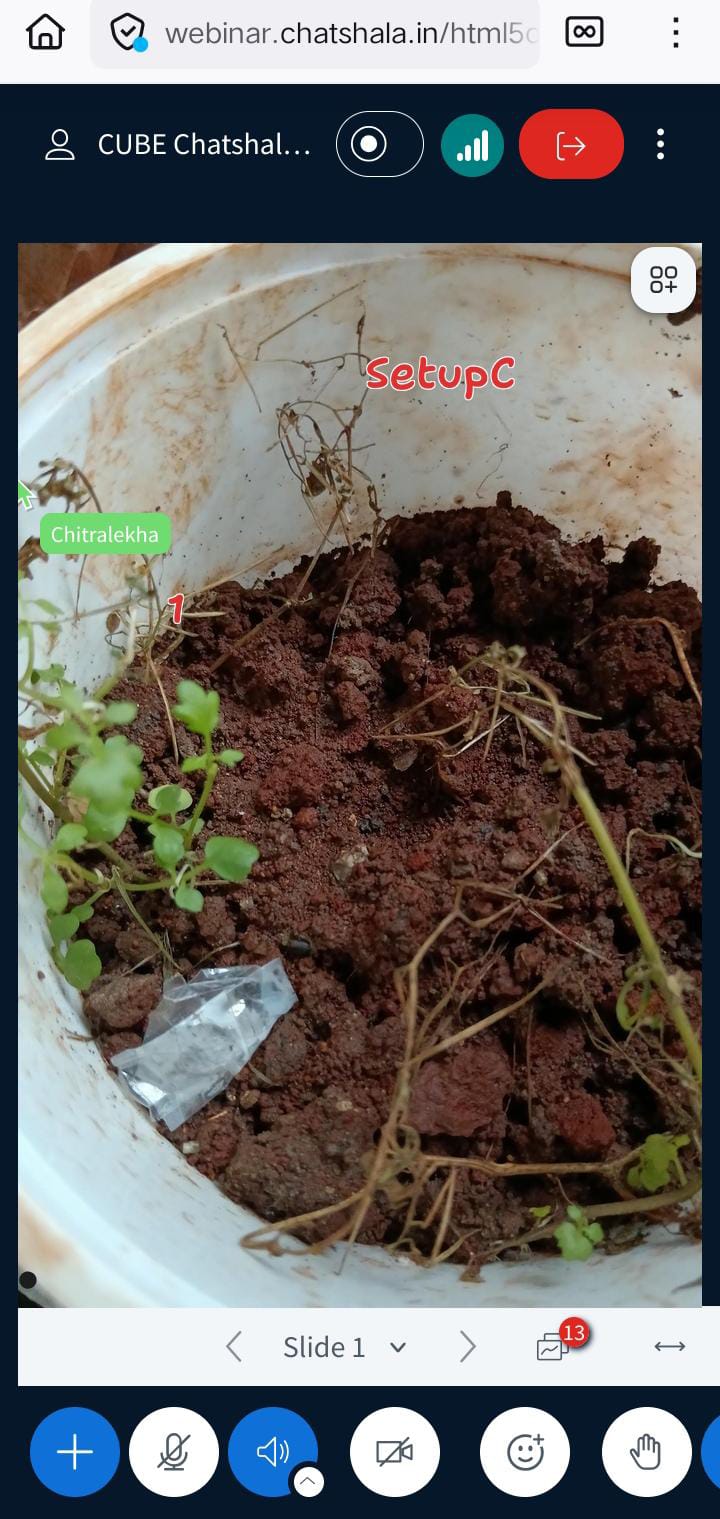
Seedlings and Growth: Subsequent images indicated the presence of tiny, delicate seedlings. Another setup (Setup B) showed soil in a plastic container, highlighting the early-stage growth of the seedlings.
-
Presence of Fauna: A significant observation in one of Sneha’s setups (Setup B) was the inclusion of an earthworm (or similar large invertebrate) within the soil medium, suggesting an exploration of soil health or organism-plant interactions.
Batul’s Cardamine Story Analysis
Batul’s presentation focused on the morphological features and growth of more mature Cardamine plants. Key features noted were:
-
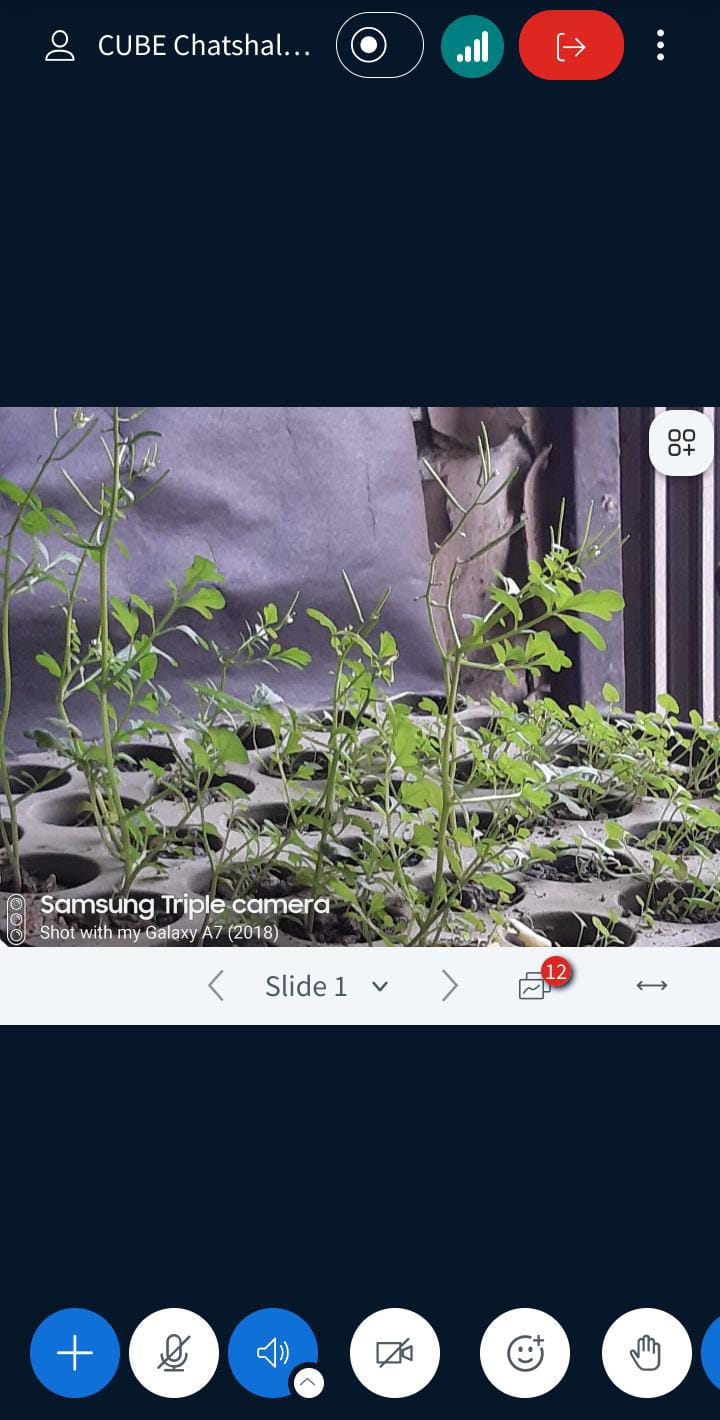
Morphological Characteristics: An image clearly showed the plant’s characteristic compound leaves and a purple stem, a distinguishing feature noted by the presenter.
-
Reproductive Structures: The presence of long, slender seed pods (siliques), a definitive feature of the Brassicaceae family, was also documented.
-
Mass Cultivation: Another image presented Batul’s larger experiment, displaying a relatively uniform growth of multiple Cardamine plants, possibly in a multi-celled tray, suggesting observations on population growth or controlled environment studies.
General Observations and Data Points
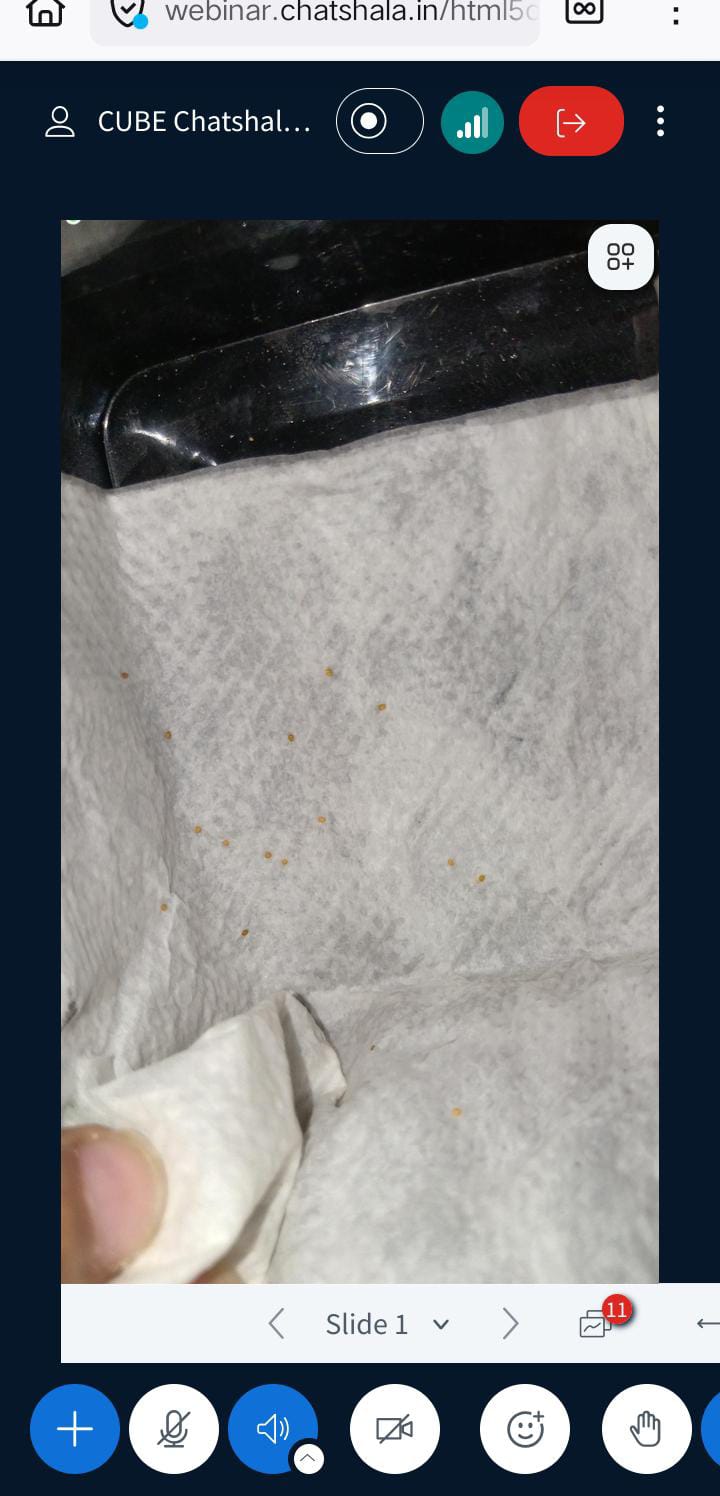
An image of small, yellowish-orange specks on a paper towel was presented, which likely represented the seeds of Cardamine, crucial for understanding its life cycle and for future experimental setups.
 CUBE ChatShaala Follow-up Queries
-
Soil Dynamics & Critters: Sneha’s setup included an earthworm. How does the presence of an earthworm fundamentally alter the variables being studied in the growth of Cardamine? Beyond aeration, what specific nutrient cycling or microbial interactions might be at play? Is the worm a confounding factor or a critical variable for simulating a natural ecosystem?
-
Color Codes of Life: The Purple Stem: Batul observed a “purple stem.” What is the biological significance of this coloration (e.g., presence of anthocyanins) in Cardamine, and how might it correlate with environmental factors like light intensity, nutrient stress (e.g., phosphorus deficiency), or defense mechanisms against herbivores?
-
Seed Power and Germination Uniformity: An image of the tiny seeds was shown. Given the minuscule size of Cardamine seeds, what are the minimal requirements (moisture, light, temperature) necessary to achieve maximum, uniform germination, and how does this translate to Batul’s successful mass-cultivation setup?
TINKE Moments, Gaps, and Misconceptions
 TINKE Moments (This I Never Knew Earlier)
-
Micro-scale Ecosystem Awareness: The inclusion of an earthworm in a small setup highlights the importance of considering the entirety of the soil ecosystem, not just the soil medium itself, for plant growth studies. This moves us beyond Cardamine as a sole entity to Cardamine as a participant in a small ecological community.
-
Morphological Markers as Environmental Clues: Recognizing the purple stem as a potential indicator of environmental or genetic factors (like stress response via anthocyanin production) demonstrates a shift from simple observation to hypothesis generation based on plant morphology.
-
Seed-to-Plant Linkage: The image of the tiny seeds, when linked to the robust growth of the mature plants, underscores the incredible energy efficiency and capacity for rapid development in model organisms like Cardamine.
 Gaps and Misconceptions
| Category | Observation/Topic | Gap/Misconception Identified |
|---|---|---|
| Experimental Control | Differences between Sneha’s and Batul’s setups. | Gap: Lack of explicit standardized protocols (e.g., soil type, watering frequency, light source) between the different setups makes direct comparative analysis challenging. Were all factors meant to be the same, or were they intentionally varied? |
| Data Interpretation | The small reddish-brown particles noted in Sneha’s setup. | Misconception/Gap: The exact identity of these particles was unclear. Assuming they are merely soil components could lead to missing data if they are, in fact, fungal spores or pest eggs. Need for microscopic analysis. |
| Observation Detail | The role of the earthworm in Sneha’s setup. | Gap: The experiment did not appear to include a control group setup without the earthworm, making it impossible to definitively attribute any observed growth differences to its presence. This is a critical step in rigorous experimental design. |
| Phenotype Analysis | The presence of the purple stem. | Misconception: Assuming the purple stem is purely genetic. It is crucial to test if the color is phenotypically plastic (i.e., induced by environmental conditions) versus being a stable genetic trait. |
 Reference
@Arunan @SN1261 @ankitcube @akanksha @Chitralekha @2020ugchsncnseethala @magpie and others.