 CUBE ChatShaala - Discussion Summary
The CUBE ChatShaala session, held on September 14, 2026, focused mainly on answering the central research question: “Does Hibiscus produce seeds?”. Participants in the session included Niharika Baghari, Kiran, Sailekshmi, Arunan MC (from B Desai Road, Mumbai), Vatshla Singh, Yukti Manral, Diya, Riya Sakat, and Chitralekha.
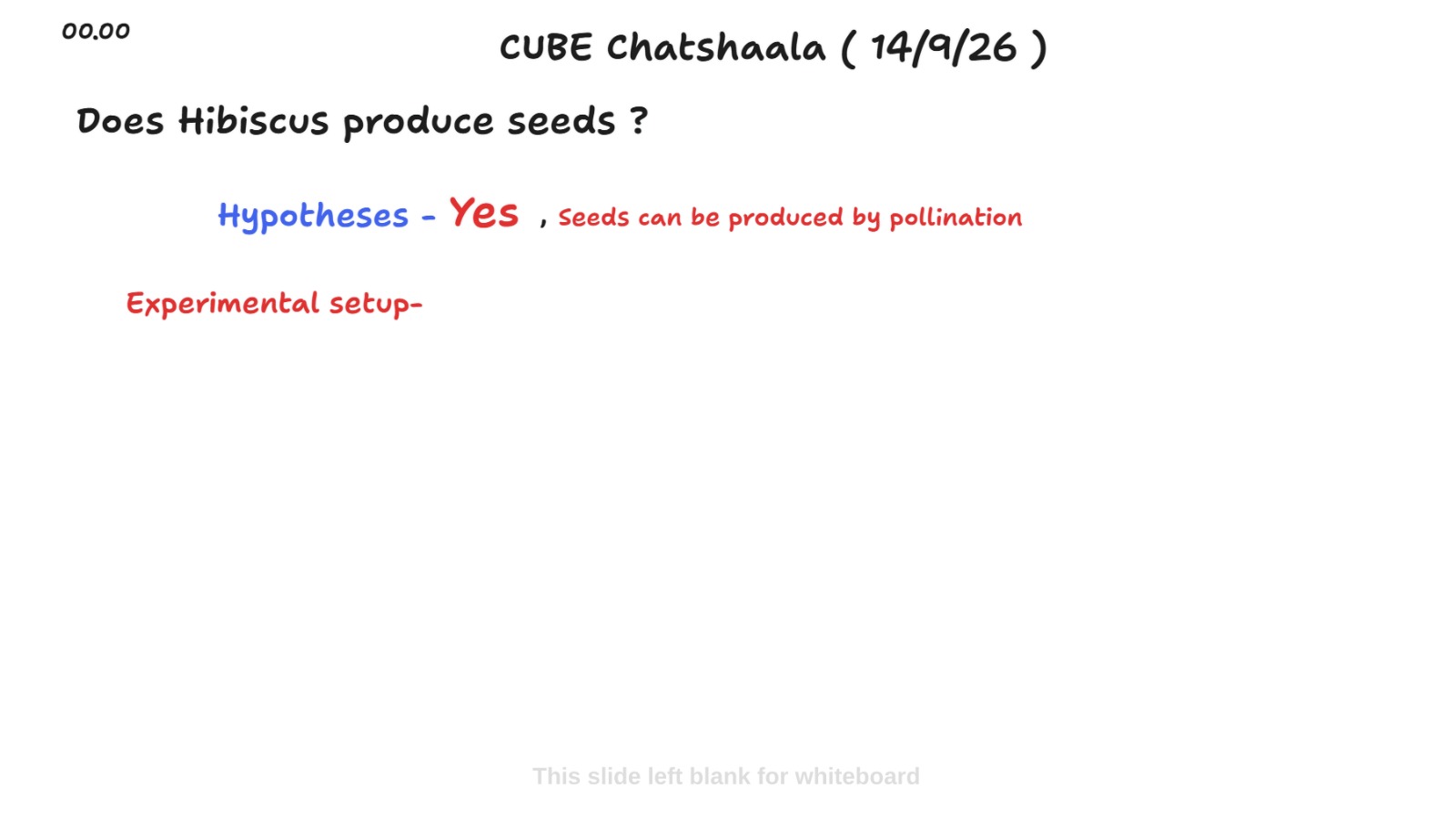
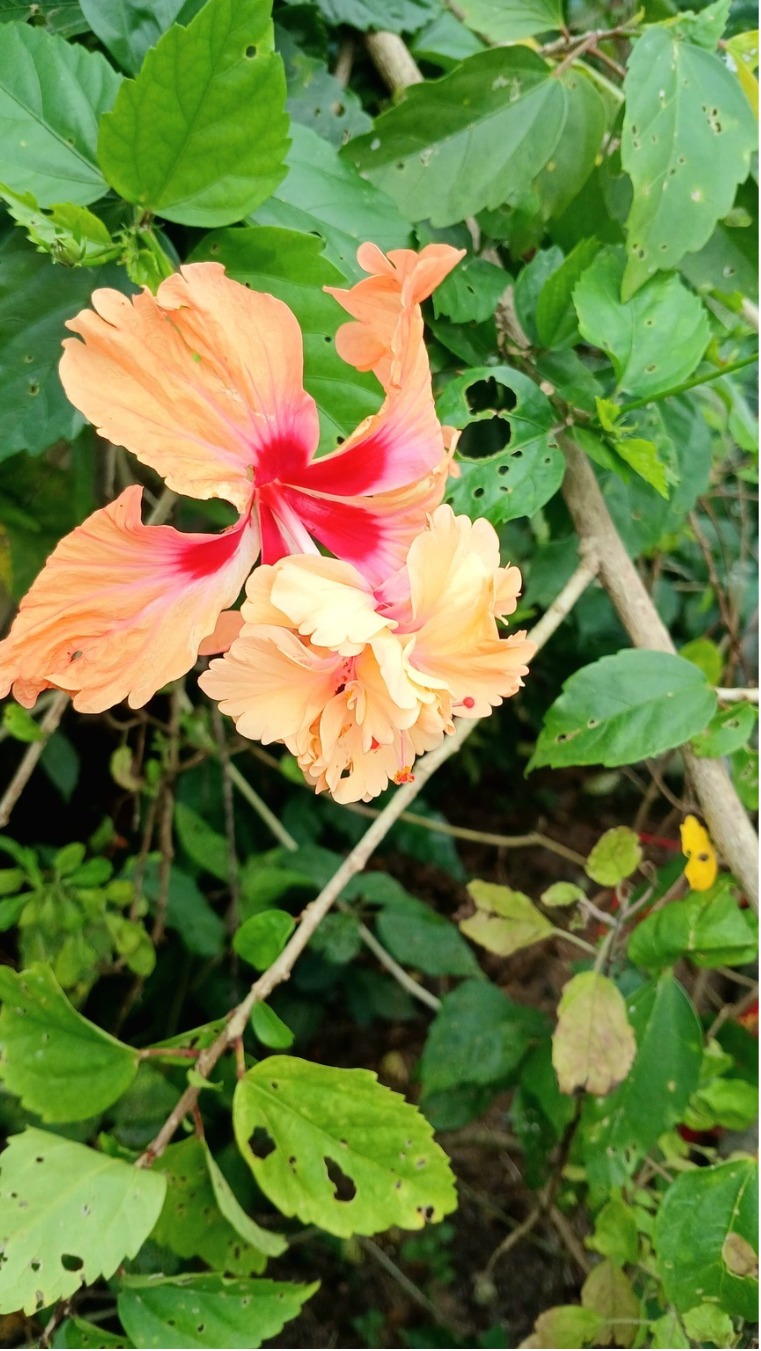
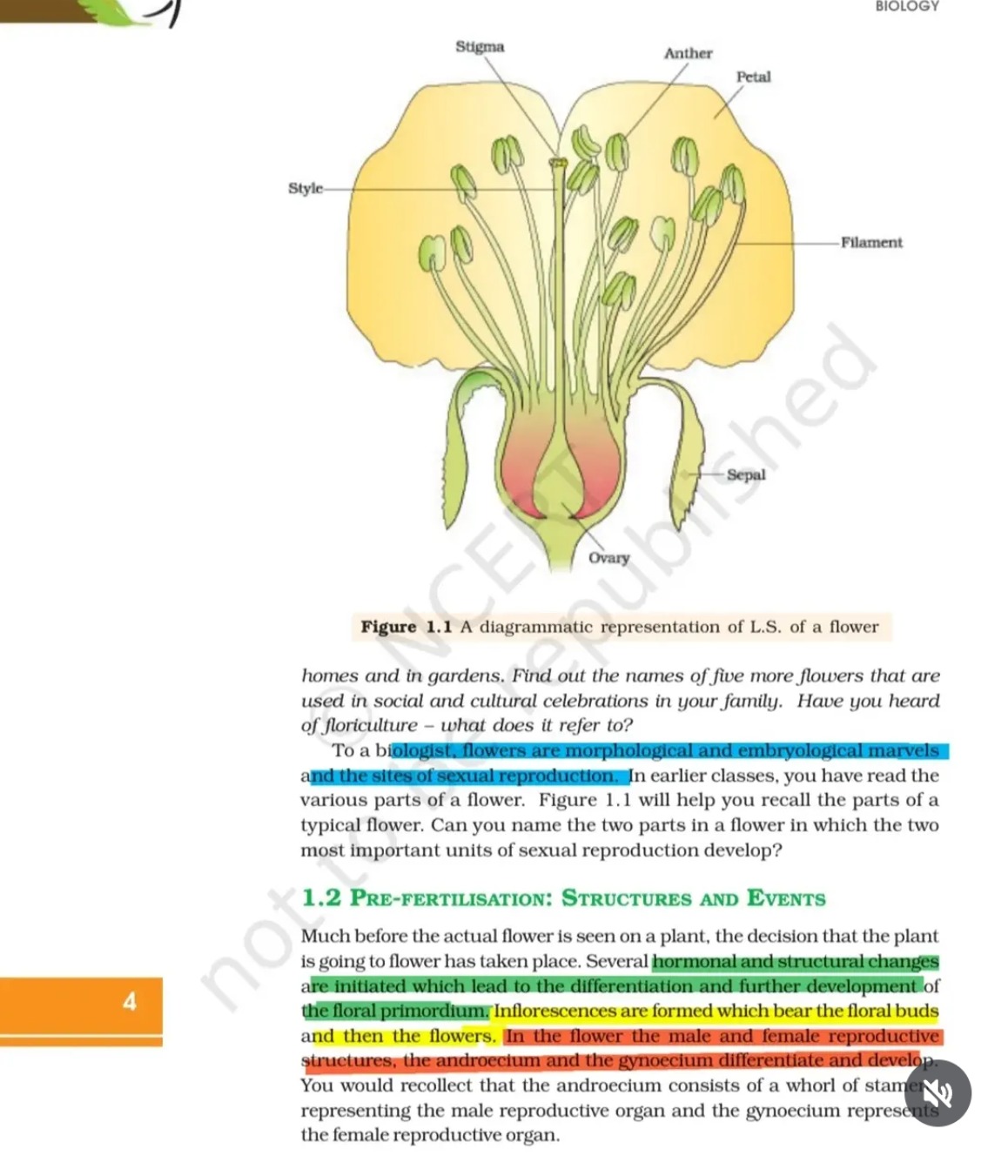
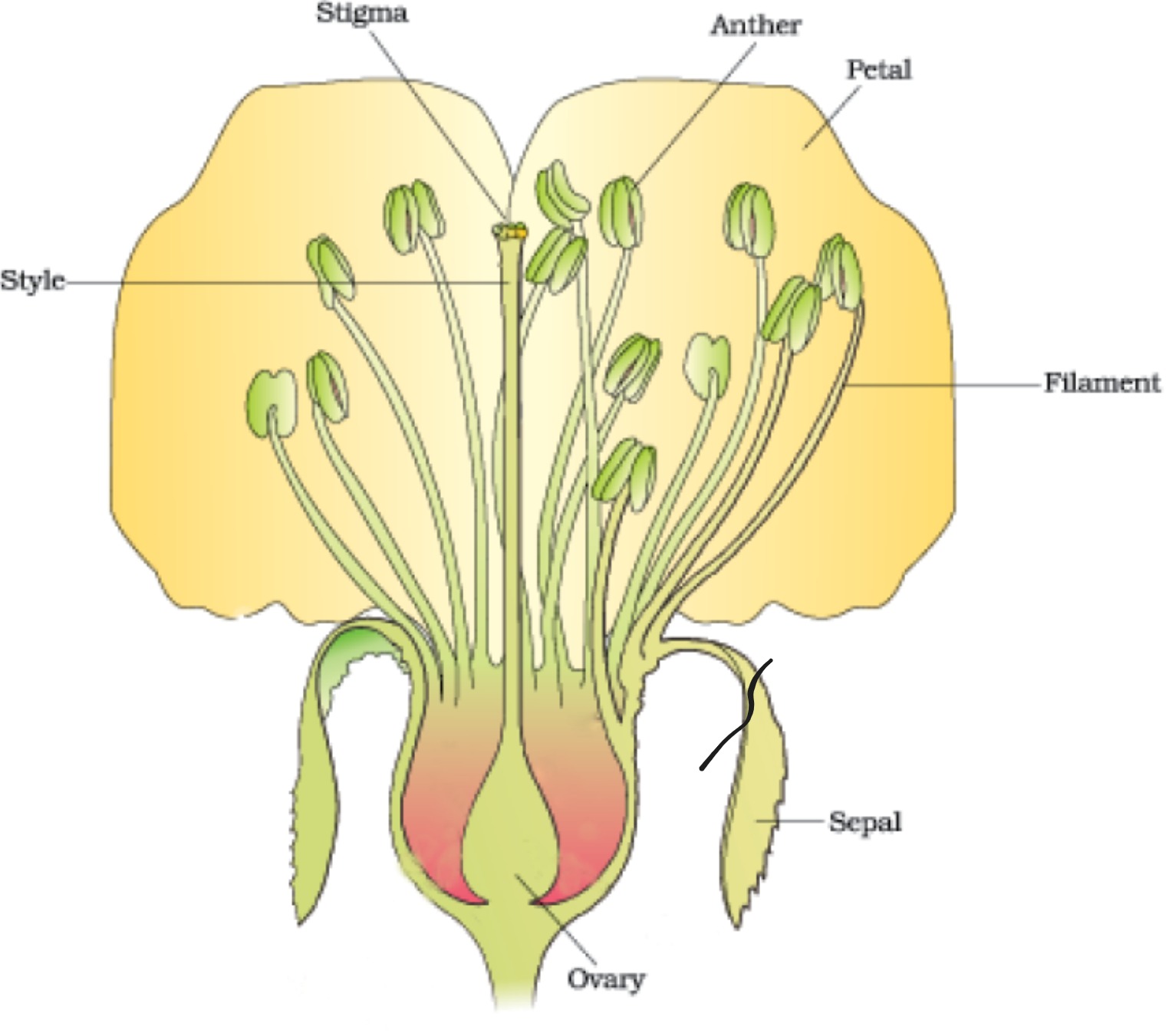
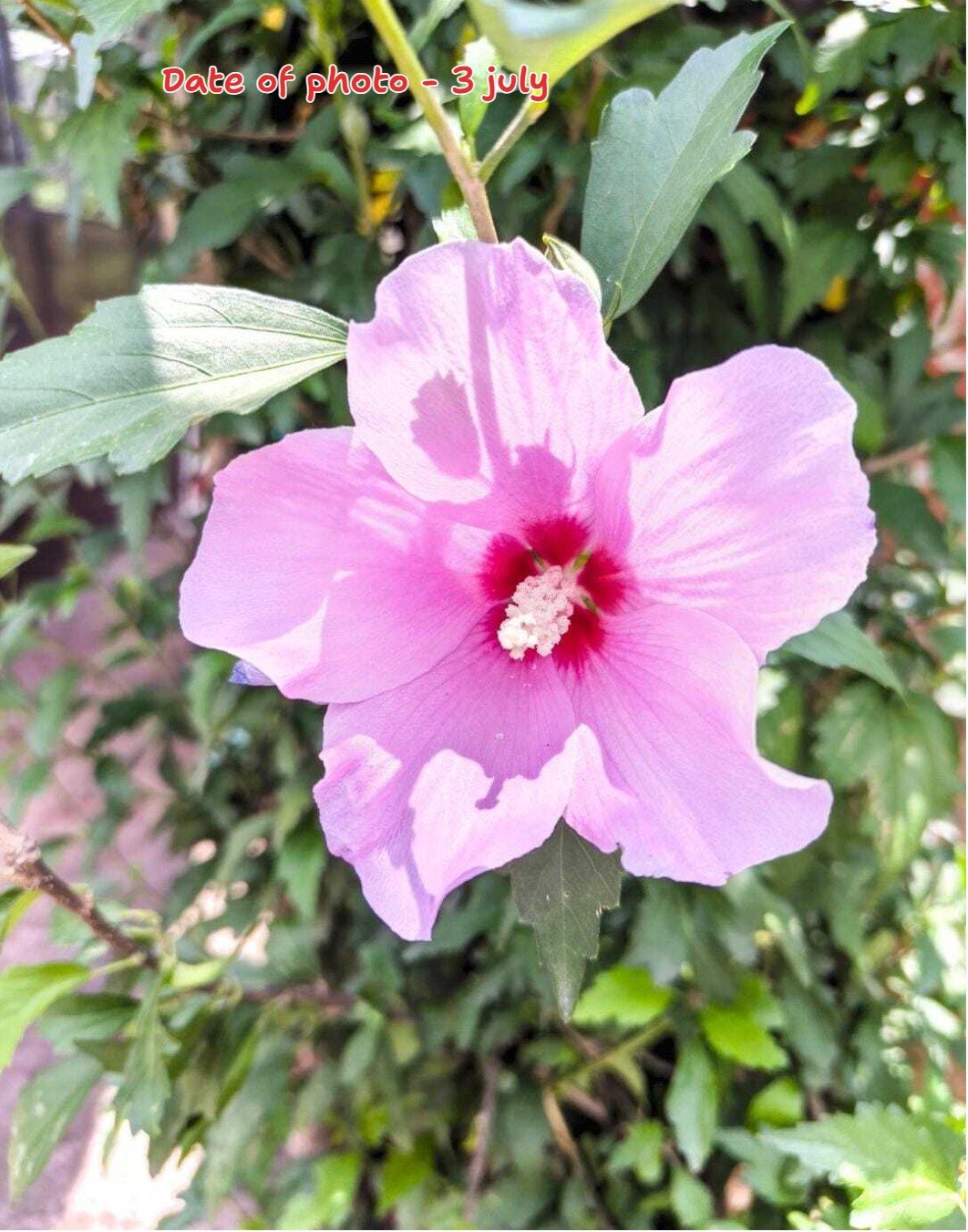
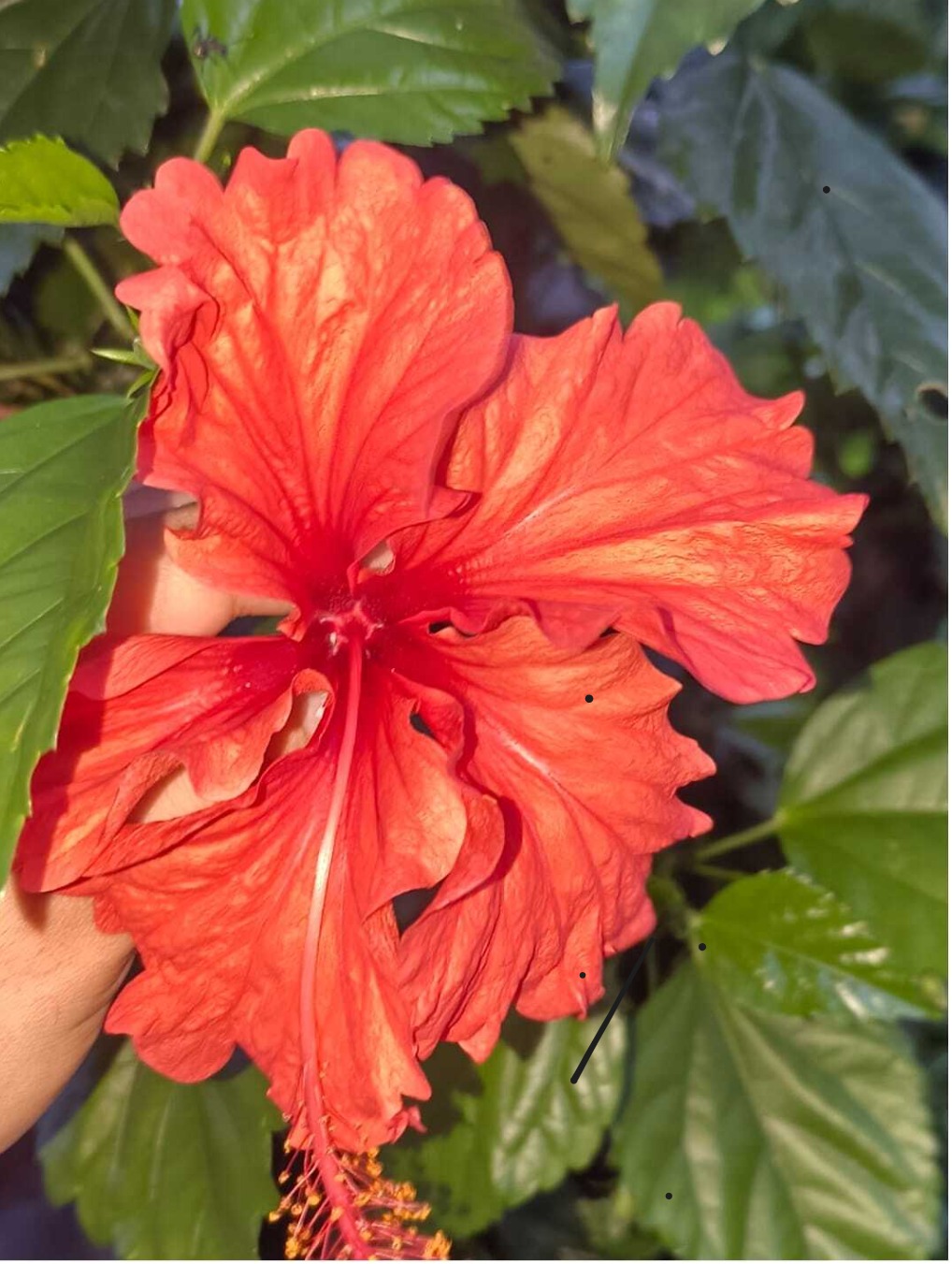
The central hypothesis established during the meeting states: “Yes, seeds can be produced by pollination.” Participants discussed the floral morphology of Hibiscus, reviewing structural diagrams that highlighted pre-fertilization events, androecium and gynoecium differentiation, and the essential reproductive organs (stigma, style, ovary, anthers, and filaments).
The discussion compared different varieties of Hibiscus, analyzing photographs of single and double/multi-petaled variants (including specimens photographed on July 3). A major topic of analysis was why Hibiscus × rosa-sinensis rarely sets fruit in everyday cultivation. Scientific literature confirms that while wild Hibiscus species reproduce sexually via pollination, cultivated Hibiscus × rosa-sinensis rarely produces fruits under normal conditions due to a lack of native pollinators, frequent pruning, or hybrid sterile traits. However, documented studies demonstrate that mature fruits—classified as loculicidal capsules—do occur under specific regional conditions (e.g., in the Krishna delta, Andhra Pradesh, and Rio de Janeiro, Brazil). Upon ripening, these capsules open along five valves to disperse reniform (kidney-shaped) seeds covered in bi-armed trichomes. Seed germination tests without chemical scarification revealed success under natural rainy conditions, confirming that fruiting traits can be inherited across generations.
 Provocative Questions
-
How do structural variations between single-petaled and double-petaled Hibiscus flowers impact accessibility for natural pollinators?
-
Why does fruit set in Hibiscus × rosa-sinensis occur at low rates (around 2–10%) in specific environments like coastal regions, whereas it is almost non-existent elsewhere?
-
What physiological mechanisms trigger the dehiscent capsule to open along its septal lines during late winter or dry periods?
-
Could the rare occurrence of seed production in hybrid Hibiscus varieties be attributed to environmental stress or spontaneous genetic mutations?
 What I Have Learned
-
Fruit Classification: The fruit of Hibiscus is a loculicidal capsule (a type of dry dehiscent fruit) with five distinct valves containing reniform seeds.
-
Seed Surface Micromorphology: Under scanning electron microscopy (SEM), Hibiscus × rosa-sinensis seeds exhibit a reticulated seed coat populated with specialized bi-armed trichomes.
-
Propagation vs. Sexual Reproduction: While Hibiscus × rosa-sinensis is predominantly propagated vegetatively via stem cuttings, functional sexual reproduction and seed production still take place naturally under favorable conditions or specific genetic traits.
-
Germination Dynamics: Hibiscus seeds can germinate under natural conditions during the rainy season without artificial acid scarification, yielding fertile plants that reach flowering maturity within 16 months.
 TINKE Moments
The term TINKE (“This I Never Knew Earlier”) captures key moments of curiosity, practical investigation, and overcoming scientific hurdles during the session:
-
Observation of Non-Fruiting Cultivars: Realizing that the common urban Hibiscus plants seen in gardens rarely produce fruit creates a genuine “TINKE moment.” It shifts the inquiry from passive textbook reading to actively looking for rare capsular fruits on local plants.
-
Dissecting Floral Parts vs. Real-World Findings: Moving from textbook cross-sections of pre-fertilization structures to analyzing physical SEM images of seeds and field observations of dehiscent capsules bridges theoretical knowledge with concrete scientific evidence.
 Gaps and Misconceptions
-
Pollinator Identification: There is missing local observational data detailing which specific insect or bird species serve as functional pollinators for Hibiscus in urban vs. coastal setups.
-
Standardized Experimental Setup: While the initial hypothesis was formed on the whiteboard, a step-by-step experimental protocol for controlled hand-pollination in the CUBE lab setup remains to be finalized.
-
Viability Studies Across Varieties: There is insufficient data comparing seed viability rates between simple single-petaled and dense multi-petaled Hibiscus cultivars.
-
“Hibiscus Never Produces Seeds”: A common belief is that cultivated Hibiscus (specifically H. × rosa-sinensis) is completely sterile and cannot produce fruits. In reality, fruit formation does occur, albeit rarely, forming functional dehiscent capsules with viable seeds.
-
Mandatory Acid Scarification: It is frequently assumed that Hibiscus seeds require chemical treatment (such as concentrated sulfuric acid) to break dormancy. Field studies show that natural conditions during the monsoon season are sufficient for successful germination.
 Photographs during Chatshaala


 Referance
- Tropical Hibiscus from Seed
- https://extension.umn.edu/garden-and-home/yard-and-garden/gardening-in-minnesota/hibiscus
- Schizocarp - Wikipedia
- https://onlinelibrary.wiley.com/doi/full/10.1002/fedr.70024
- https://www.researchgate.net/publication/375496880_Fruit_breeding_by_Hibiscus_rosa-sinensis_An_inherited_phenomenon