CUBE ChatShaala Discussion Summary – 22 January 2026
Objective of the Session
The session aimed to unpack a common but deeply rooted misconception in everyday science communication: the assumption that all trees locally called “badam” behave like the temperate almond tree (Prunus amygdalus). Using visual cues, seasonal observations, and botanical classification, the discussion examined how names, appearances, and cultural language distort scientific understanding.
Key Discussion Points
- Multiple ‘Badams’, One Name Problem
-
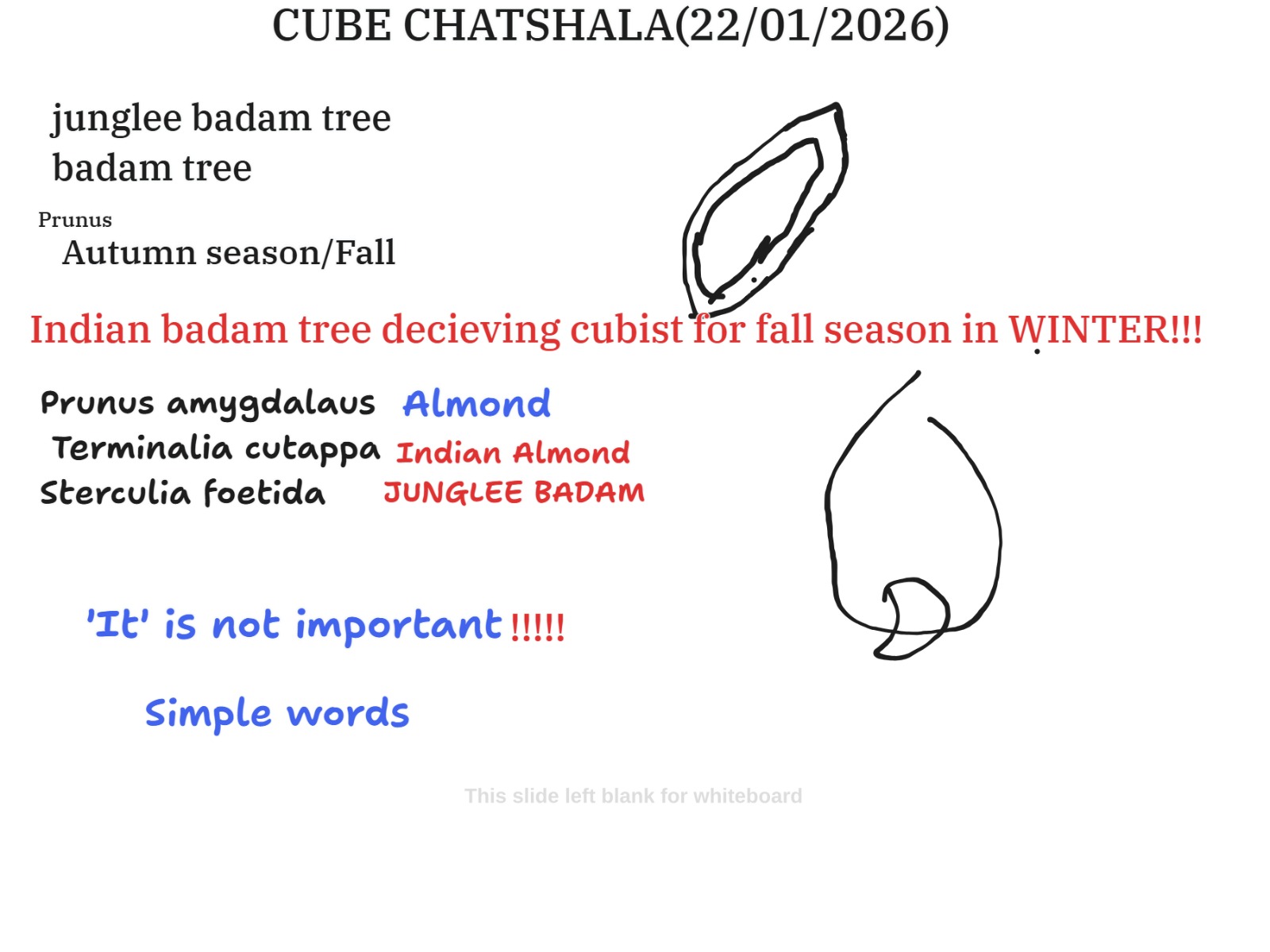
Prunus amygdalus — the true almond. A temperate tree. Displays autumn leaf fall in actual fall season.
-
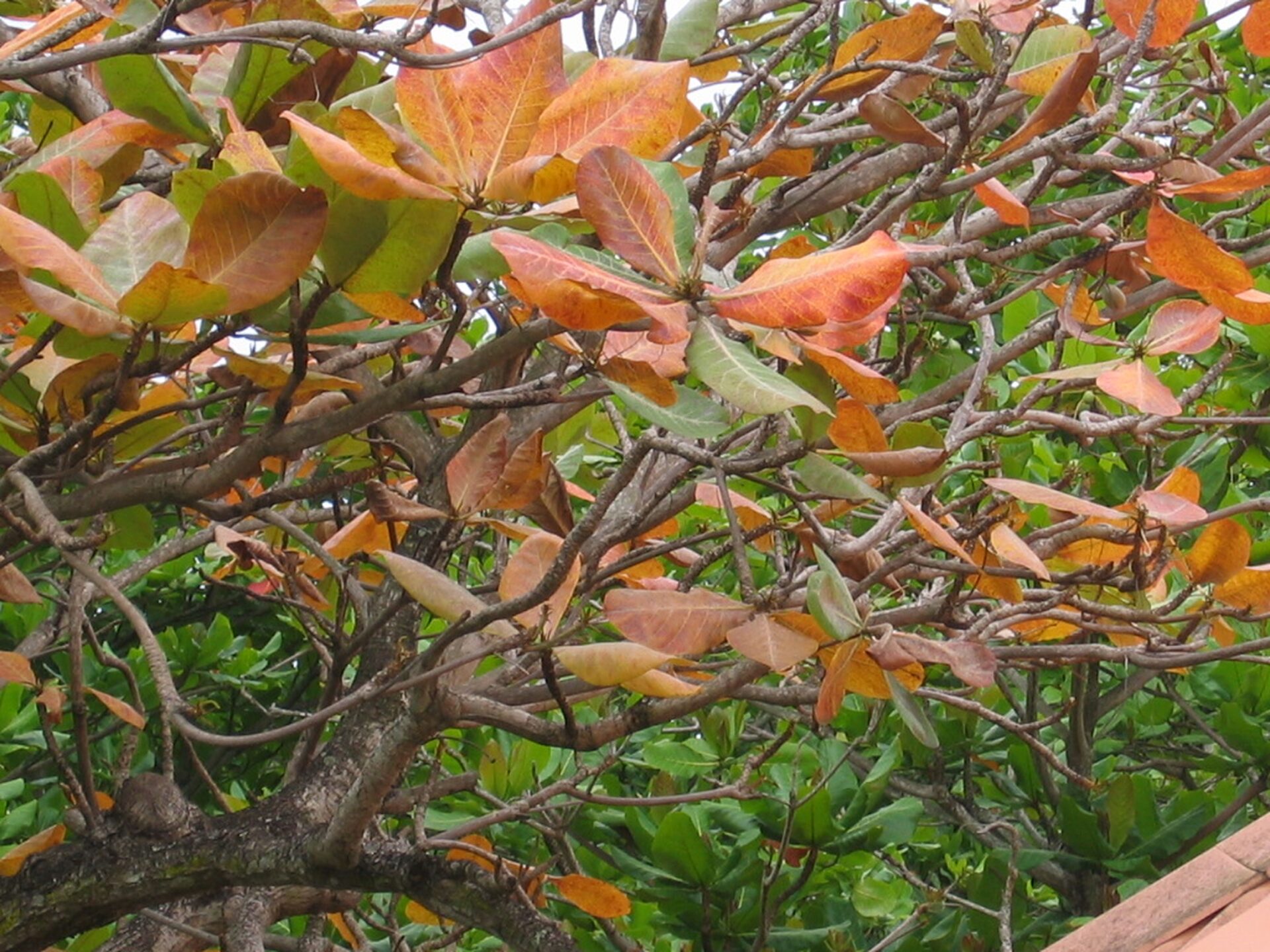
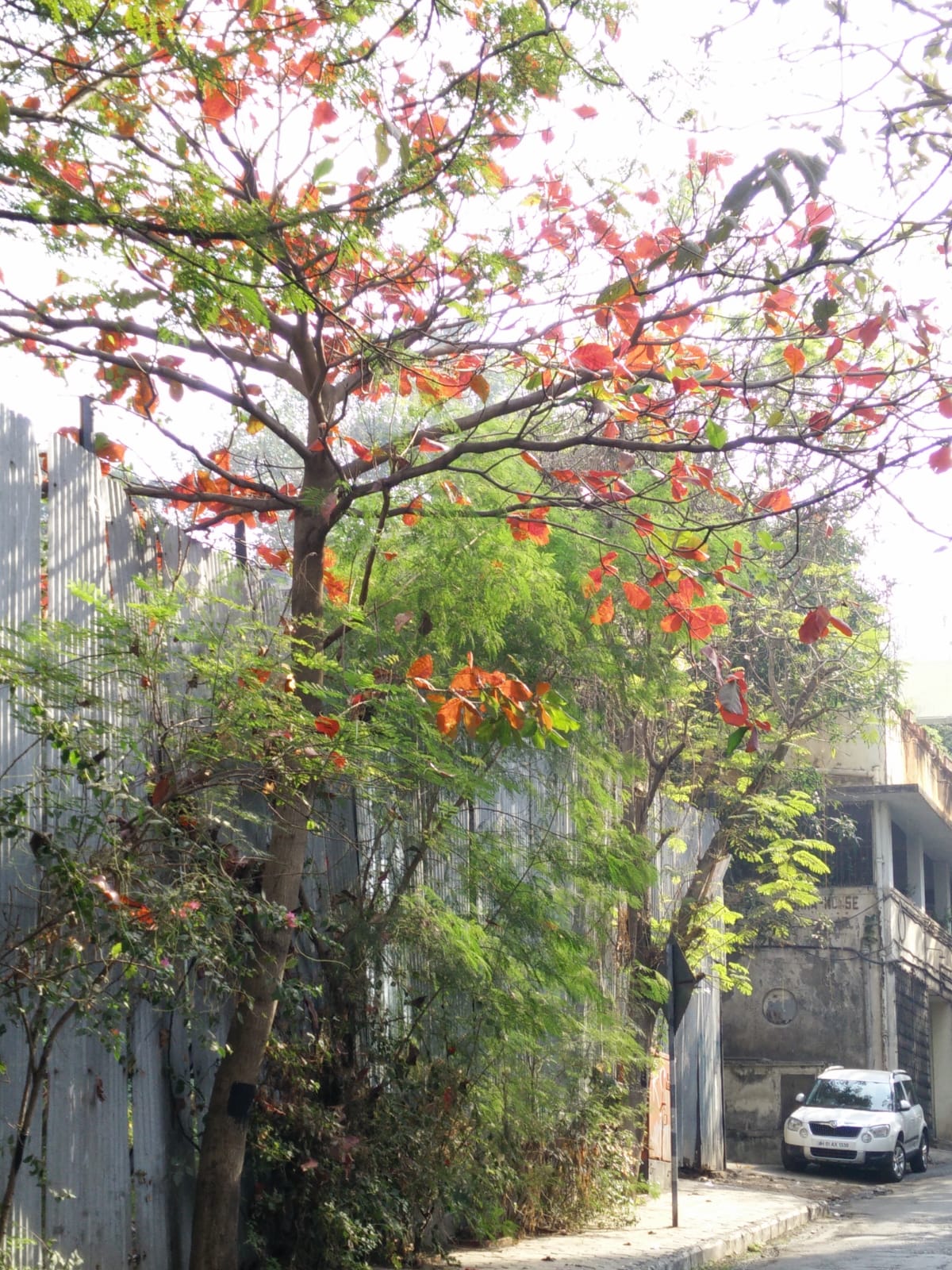
Terminalia catappa — Indian almond. A tropical tree. Exhibits seasonal leaf color change and shedding during Indian winter, not autumn.
-
Sterculia foetida — jungle badam. Botanically unrelated, yet grouped by name alone.The cubists critically examined how linguistic shortcuts override biological accuracy.
- Seasonal Misinterpretation
Cubists noted that red or yellow leaves in Indian winters are often mislabeled as “autumn behavior.” This is incorrect.
-
Autumn is climate-specific, not color-specific.
-
Tropical trees shed leaves due to water stress, temperature shifts, or photoperiod, not because they are “experiencing fall.”
-
Visual Deception in Science Learning
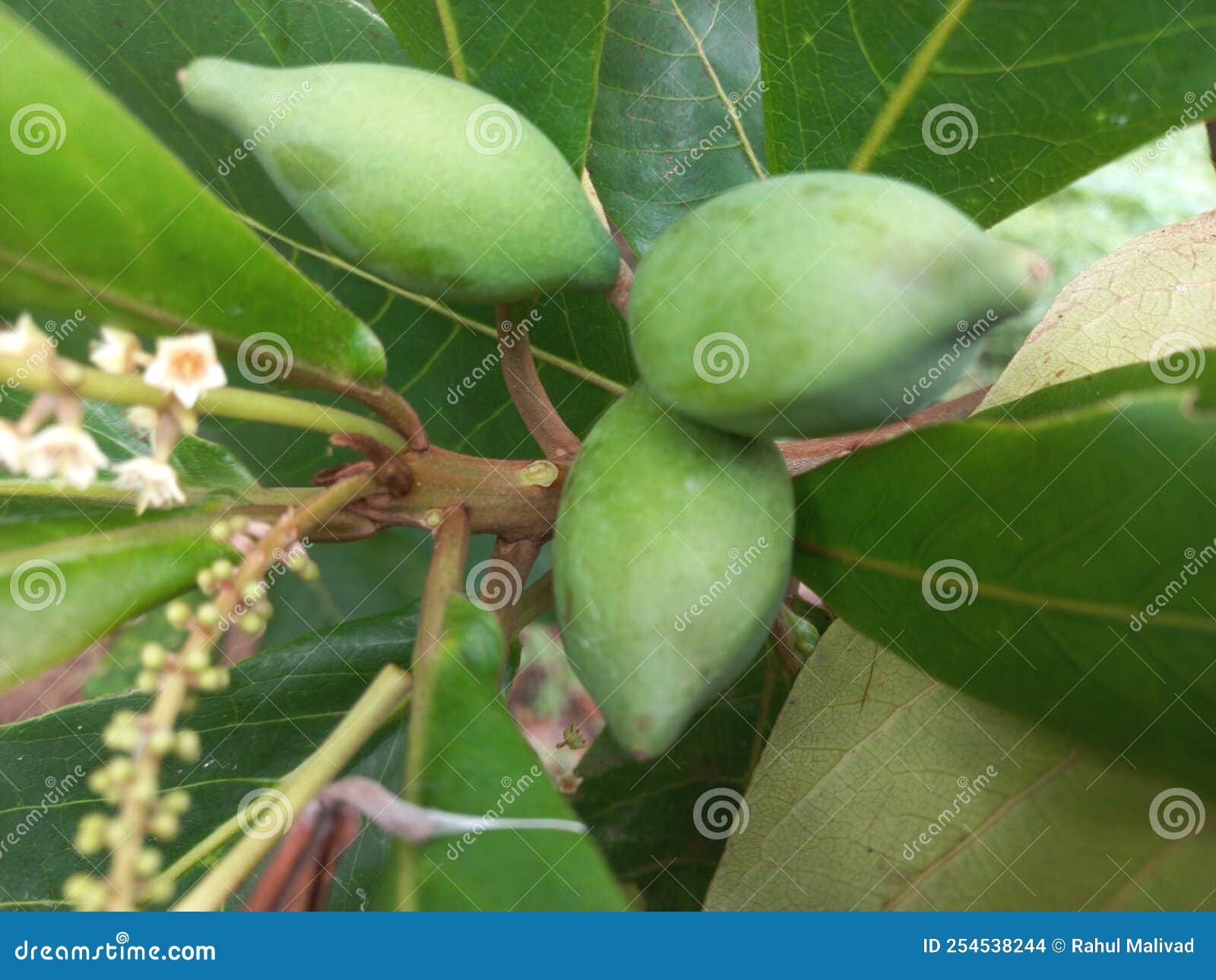
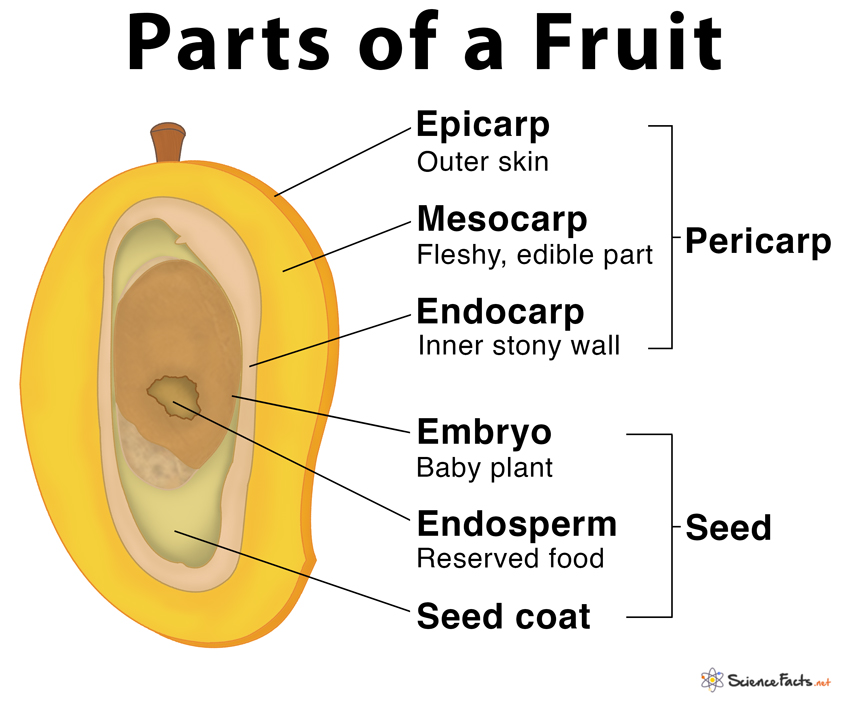
Images of leaf fall and fruit structure were used to show how visual similarity creates false equivalence. The whiteboard emphasized that appearance is not evidence. -
Scientific Names vs Common Names
The session reinforced that common names are cultural tools, not scientific identifiers. The suffix “badam” carries culinary and visual bias, not taxonomy.
Key Takeaways
-
Nature does not adapt to our vocabulary.
-
Seasonal behavior must be explained through ecology and climate, not analogy.
-
Scientific literacy begins when we stop trusting names and start asking mechanisms.
 Provocative Questions to Inspire Discussion
-
Why do we trust color over context in science education?
-
Should biology be taught starting from local ecosystems instead of imported examples?
-
How many school-level misconceptions survive simply because no one questions common names?
-
Are we teaching observation, or are we teaching recognition?
 What I Learned
I learned that misconceptions are not caused by lack of information, but by misplaced confidence in familiar terms.
This session made it clear that scientific thinking begins where comfort ends — when we question what seems obvious. I also learned the importance of separating seasonal logic from climatic reality, especially in tropical contexts where textbook examples fail.
 TINKE Moments (This I Never Knew Earlier)
-
Leaf color change is not exclusive to autumn.
-
Indian almond trees do not experience “fall” in the meteorological sense.
-
The same fruit shape can emerge from entirely unrelated plant families.
-
Common names can be biologically misleading and pedagogically harmful.
 Gaps and Misconceptions
Misconception 1
“Red leaves = autumn”
→ Incorrect. Leaf color change is a stress response, not a seasonal label.
Misconception 2
“All badam trees are almonds”
→ False. Only Prunus amygdalus is a true almond.
Misconception 3
“Indian winter equals autumn”
→ Climatically wrong. Seasons are not transferable across latitudes.
Learning Gap
Cubists are rarely taught to distinguish between phenomenon and cause. Observation is emphasized; reasoning is not.
 Photographs during Chatshaala
 Reference