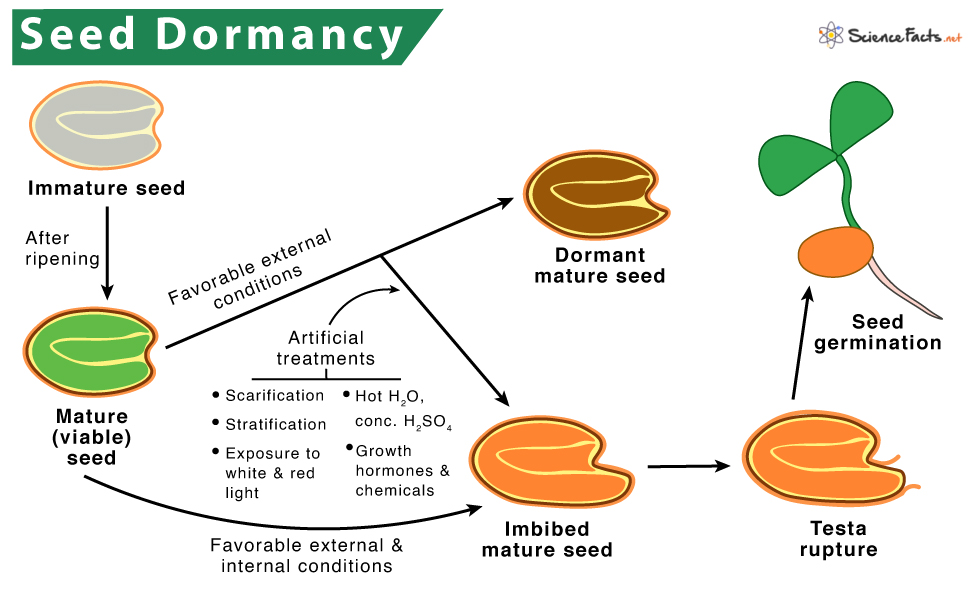
CUBE Chatshaala - Discussion Summary
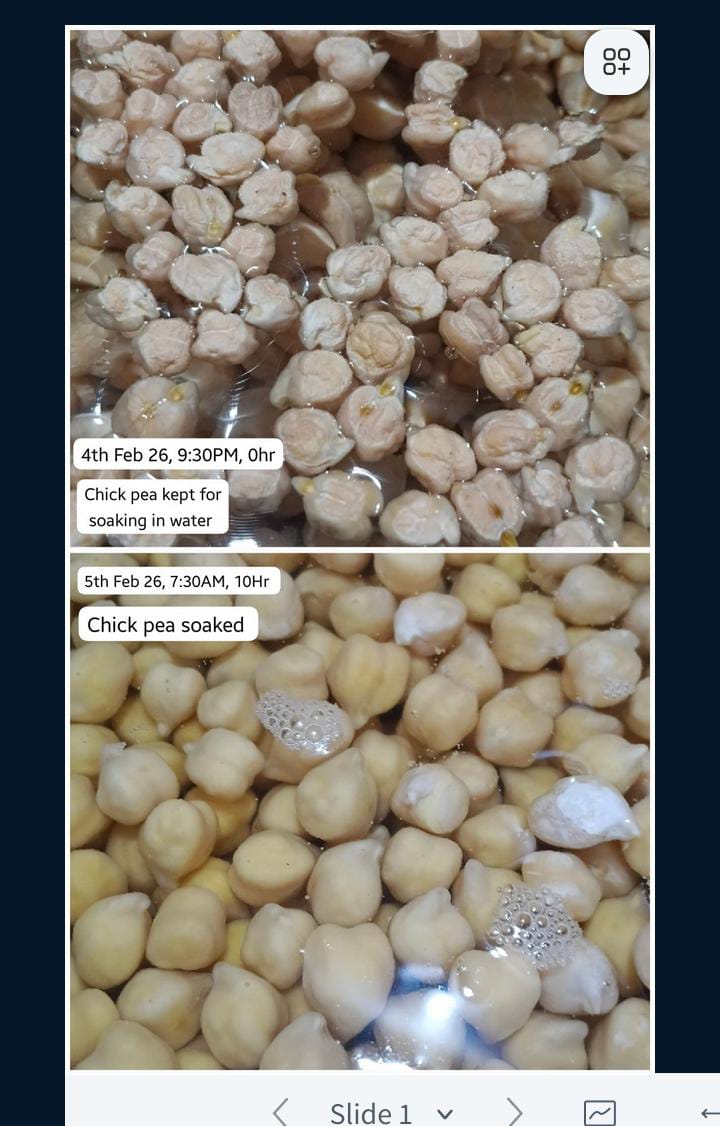
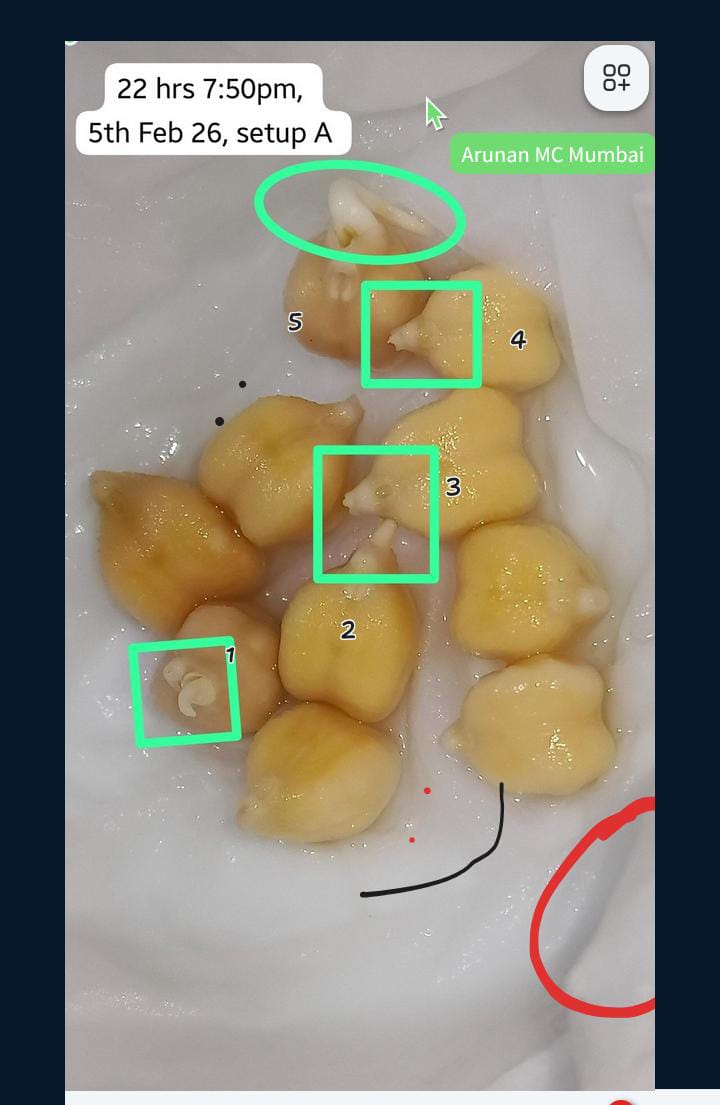
The CUBE ChatShaala session on 5 February 2026 was a rich exchange of observations and reflections centered on seed germination, microbial culture, and aquatic organism experiments. The discussion began with Abhijeet’s study on the germination of chickpea soaking trials: he documented that swelling occurred after 10 hours of immersion and noted early sprouting within 14–22 hours. Two comparative setups (A and B) were carefully examined, revealing subtle differences in germination progress and prompting questions about environmental influences, such as moisture distribution and seed quality.
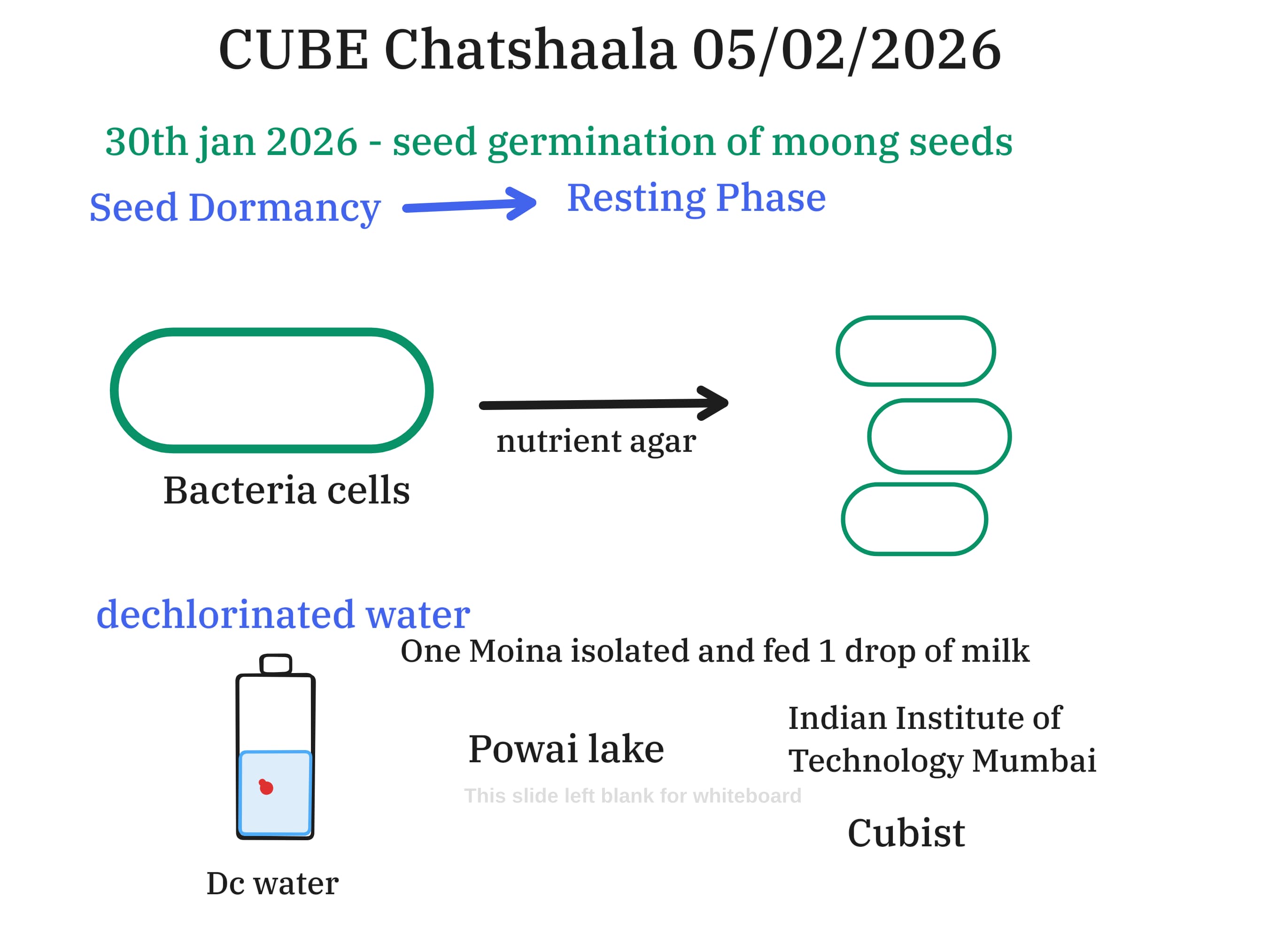
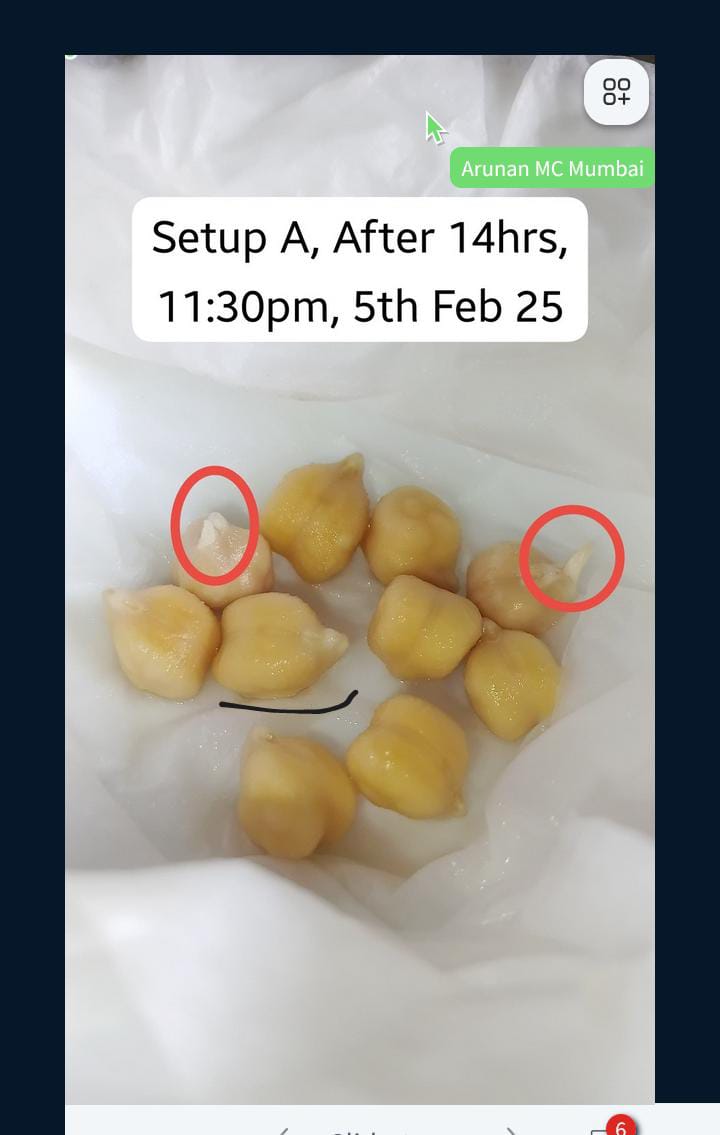
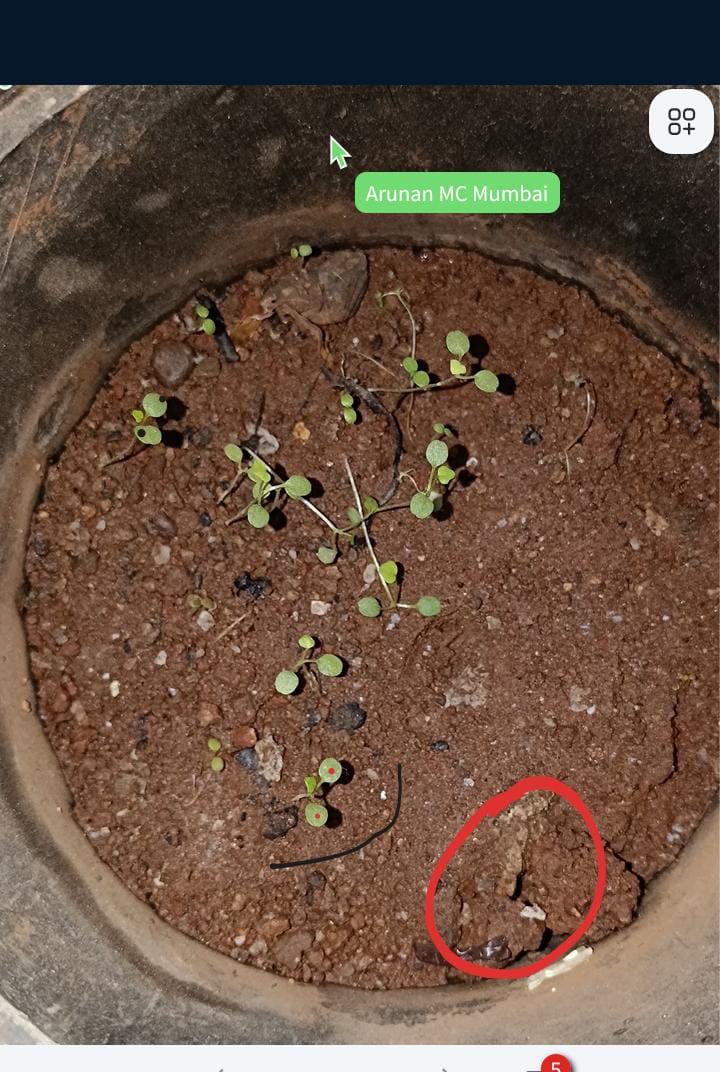
The conversation then broadened to include seedlings of Cardamine growing in soil, where variations in leaf emergence and soil texture were observed. This tied back to earlier experiments, including moong seed germination (30 January 2026), bacterial culture on nutrient agar, and Moina feeding trials using milk. These threads collectively emphasized the importance of inquiry-based learning, where home experiments are not isolated but connected to broader scientific contexts. The reference to IIT Mumbai (Indian Institute of Technology) and Powai lake reinforced the idea of bridging everyday science with institutional research, showing how grassroots experimentation can resonate with formal inquiry.
The session underscored the value of systematic documentation, comparative design, and collaborative reflection. It highlighted how environmental conditions shape outcomes and how refining experimental methods can reduce ambiguity, strengthen conclusions, and deepen understanding.
 Provocative Questions
-
What biological mechanisms explain the rapid swelling of chickpeas within 10 hours compared to the slower onset of sprouting?
-
How might dechlorinated water versus untreated tap water affect both germination success and microbial growth?
-
In setups A and B, what hidden variables—such as seed age, handling, or microclimate—could explain differences in sprouting?
-
How does the analogy between seed dormancy and bacterial resting phases expand our understanding of resilience and survival strategies?
-
Could introducing milk into Moina cultures unintentionally foster microbial blooms, and how might this complicate controlled experimentation?
-
What strategies can be developed to standardize home-based experiments so they remain accessible yet scientifically rigorous?
-
How can visual documentation (photos, annotations) be complemented with quantitative measures to strengthen conclusions?
 What I Have Learned
This session reinforced the importance of precision in scientific documentation. Recording exact times and conditions, alongside visual evidence, transforms casual observation into meaningful data. I learned that swelling and sprouting are distinct stages in germination: swelling reflects water absorption, while sprouting signals metabolic activation and radicle emergence. Comparative setups are invaluable, as they reveal subtle differences that might otherwise go unnoticed.
The meeting also highlighted the interconnectedness of experiments across domains—plants, microbes, and aquatic organisms—demonstrating how inquiry in one area can inform another. Most importantly, I realized that science is not only about results but about cultivating habits of curiosity, reflection, and disciplined observation.
 TINKE Moments ( This I Never Knew Earlier)
-
Seed Dormancy vs. Bacterial Resting Phase: This analogy illuminated survival strategies across life forms, offering a fresh lens on resilience.
-
Moina Feeding with Milk: An unconventional approach that sparked curiosity about microbial interactions and nutrient dynamics in aquatic systems.
-
Comparative Setups (A vs. B): The realization that small variations in conditions can produce divergent outcomes underscored the importance of replication and control.
 Gaps and Misconceptions
-
Environmental factors such as temperature, humidity, and water quality were not consistently documented across setups.
-
Germination was assessed visually, with limited quantitative measurement (e.g., percentage germination, radicle length).
-
Risks of microbial contamination in seed soaking and Moina feeding experiments were acknowledged but not deeply explored.
-
A subtle misconception arose around equating swelling with germination. While swelling indicates hydration, true germination requires metabolic activation and visible radicle emergence.
-
Recognizing this distinction is crucial to avoid premature conclusions about seed viability and experimental success.
 Reference