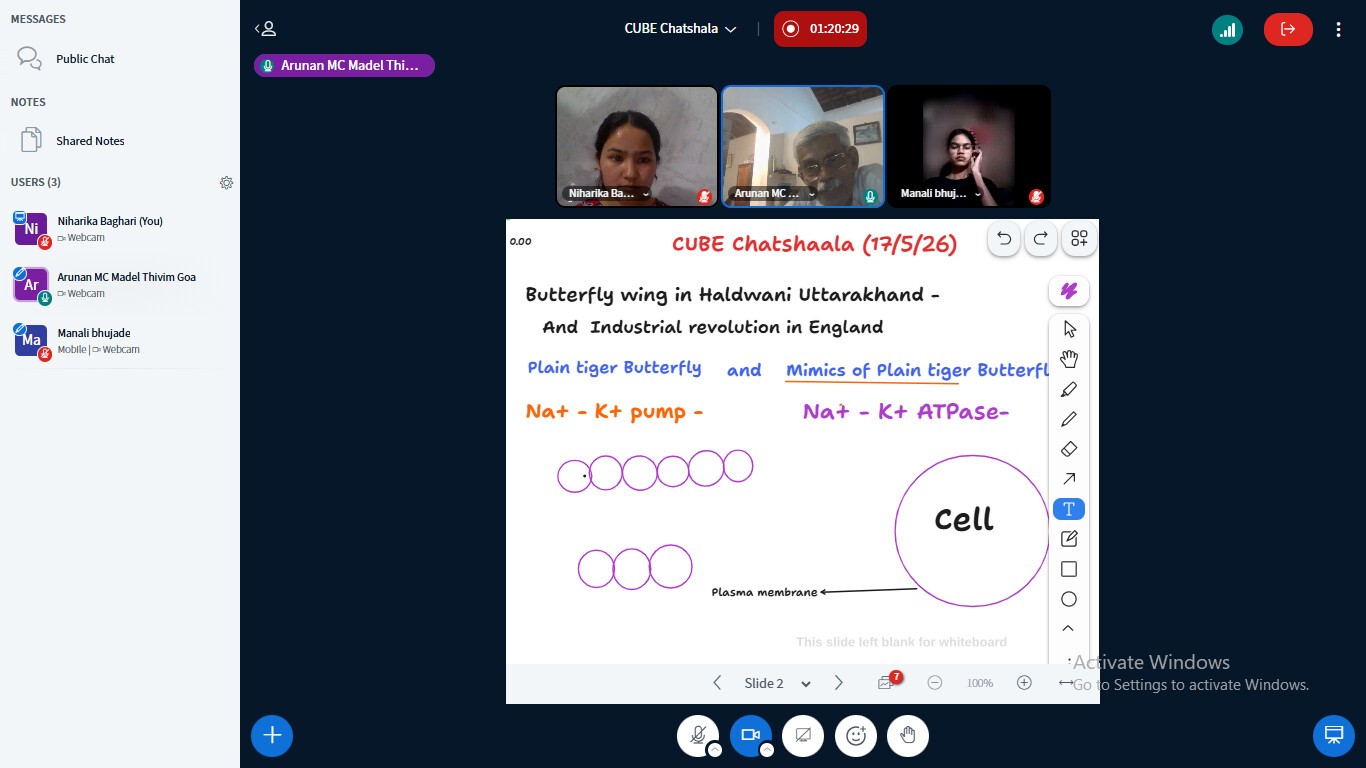
CUBE Chatshaala Whiteboard Summary (17/05/26)
 A Small Observation That Turned Into Big Scientific Learning
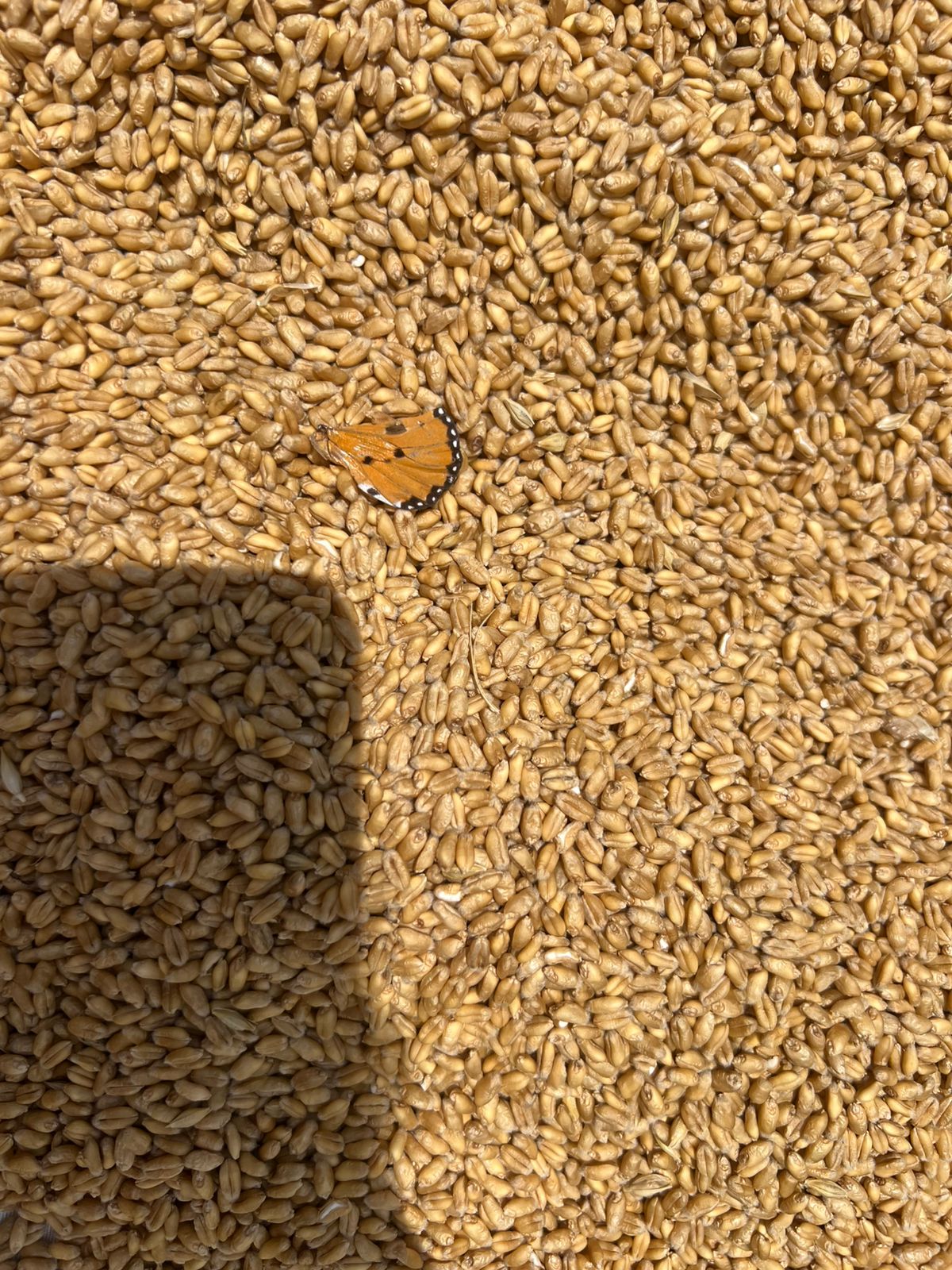
This scientific journey began when wheat grains were kept on the terrace in sunlight for drying. While observing the area carefully, I noticed a colorful butterfly wing lying near the wheat grains. Its beautiful orange color and unique patterns immediately caught my attention.
At first, it looked like only a small butterfly wing, but slowly it became the beginning of a deep scientific exploration full of biology, adaptation, toxins, cell transport, and membrane structure. 

“Sometimes the smallest observations create the biggest curiosity.”
 The Butterfly Identification Journey
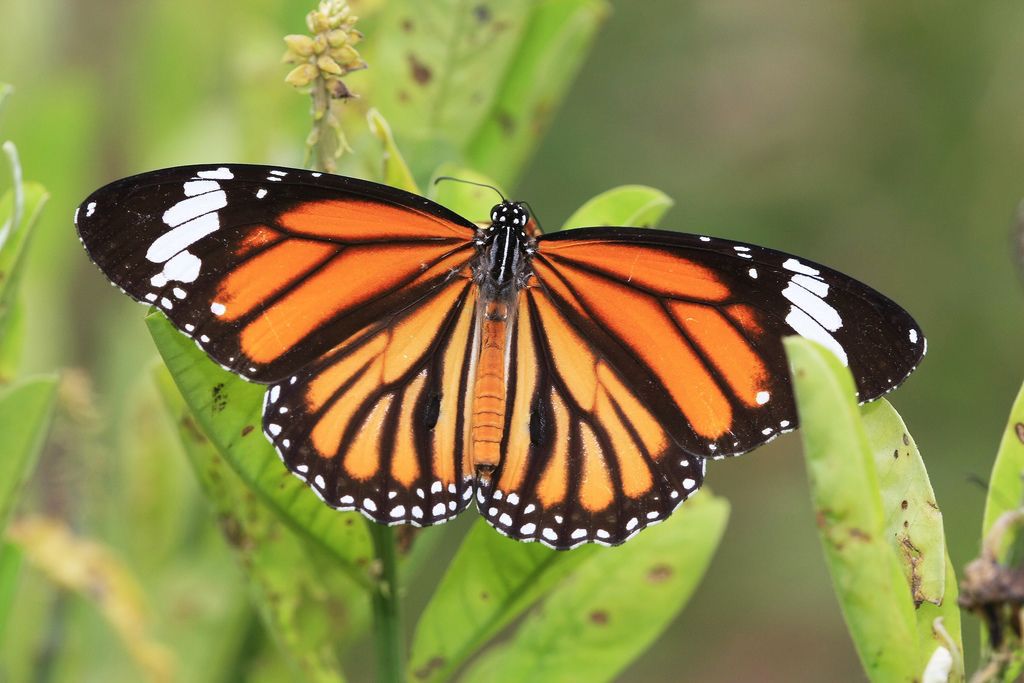
The butterfly wing had a bright orange color with black and white spots, giving it a tiger-like appearance. Initially, I thought it belonged to a Tiger Butterfly.
But after detailed observation, online research, and Chatshala discussion, I discovered that it actually belonged to the Plain Tiger Butterfly.
 Scientific Information Explored:
- Scientific Name: Danaus chrysippus
- Common Name: Plain Tiger Butterfly
- Family: Nymphalidae
- Subfamily: Danainae
 This taught me how scientific observation and research help in proper identification.
 The Hidden Science Behind Butterfly Wings
The butterfly wing was not only beautiful but also scientifically important.
Features Observed:
 Bright orange color
 Black borders and markings
 White spots
 Tiger-like pattern
I learned that these patterns help in warning predators and protecting the butterfly from danger.
“Nature combines beauty with survival.”
 Cardenolides — Nature’s Chemical Protection
During the Chatshaala discussion, I learned about toxic compounds called cardenolides found in milkweed plants. The Plain Tiger Butterfly feeds on these plants and stores the toxins inside its body.
Because of these toxins:
- Predators feel sick after eating it

- Some predators experience vomiting-like reactions
- Predators learn to avoid attacking it again
This acts as a natural chemical defense mechanism for survival.
 Mimicry — A Smart Survival Strategy
Another fascinating concept I explored was mimicry. Many butterflies copy the appearance of the Plain Tiger Butterfly because predators already avoid it due to its toxic defense system.
This showed how adaptation helps organisms survive in nature.
 Exploring the Sodium–Potassium Pump
The discussion also introduced me to the Sodium–Potassium Pump, also known as the Sodium–Potassium ATPase.
 What I Learned:
 It uses ATP energy
 Sodium ions move outside the cell
- Potassium ions move inside the cell
 It helps maintain nerve impulses and proper cell functioning
I also learned important concepts related to the cell membrane and cell surroundings.
 Understanding Cell Regions:
- Inside the Cell Membrane → Cytoplasm
- Outside the Cell Membrane → Extracellular Fluid
This helped me understand how substances move across the membrane to maintain balance inside the cell.
 Fluid Mosaic Model and Cell Membrane
During the discussion, we also explored the Fluid Mosaic Model of the cell membrane. This model helped me understand how the Sodium–Potassium Pump works inside the membrane.
What I Learned About the Fluid Mosaic Model:
- The cell membrane is flexible and fluid-like
- It contains phospholipids and proteins
- Proteins are arranged like a mosaic pattern
- The Sodium–Potassium Pump is a membrane protein present inside the cell membrane
 Parts Related to the Model:
 Phospholipid bilayer
- Membrane proteins
- Transport proteins
- ATP-binding regions
- Sodium and potassium ion channels
This model helped me understand how ions move through membrane proteins from inside to outside of the cell.
“The cell membrane is not just a boundary; it is an active world full of movement and communication.”
Learning Beyond the Classroom
This activity helped me explore many scientific concepts that are usually not studied deeply in regular classrooms. Through observation, discussion, and research, I learned about:
- Butterfly identification
- Toxic defense mechanisms
- Cardenolides and milkweed plants
- Mimicry and adaptation
- Sodium–Potassium Pump
- Fluid Mosaic Model
- ATP energy usage
- Ion transport across membranes
- Scientific observation and research skills
Chatshala discussions made science feel more real, connected, and exciting.
 Misconceptions I Had Initially
At first, I believed that:
- It was only a simple Tiger Butterfly wing
- Butterfly colors were only for beauty
But later, I understood that:
- It belonged to the Plain Tiger Butterfly
- Wing patterns help in warning and protection
- Butterflies use toxins as a defense mechanism
- Cell membranes actively control movement inside and outside the cell
 Questions That Sparked My Curiosity
During this exploration, many scientific questions came into my mind:
- How do cardenolides affect predators?
- Why do butterflies copy each other’s appearance?
- How are toxins stored inside butterfly bodies?
- How does the Sodium–Potassium Pump maintain balance inside cells?
- How does the Fluid Mosaic Model explain membrane transport?
- What role does ATP play in ion movement?
 Final Reflection
This experience taught me that science is hidden everywhere around us — even in a tiny butterfly wing resting near wheat grains.
Through observation, research, and Chatshala discussions, I explored fascinating concepts like toxins, mimicry, ATP, the Fluid Mosaic Model, ion transport, and cell biology. Every step increased my curiosity, observation skills, and scientific thinking.
Screenshots During Chatshaala -