 CUBE ChatShaala - Discussion Summary
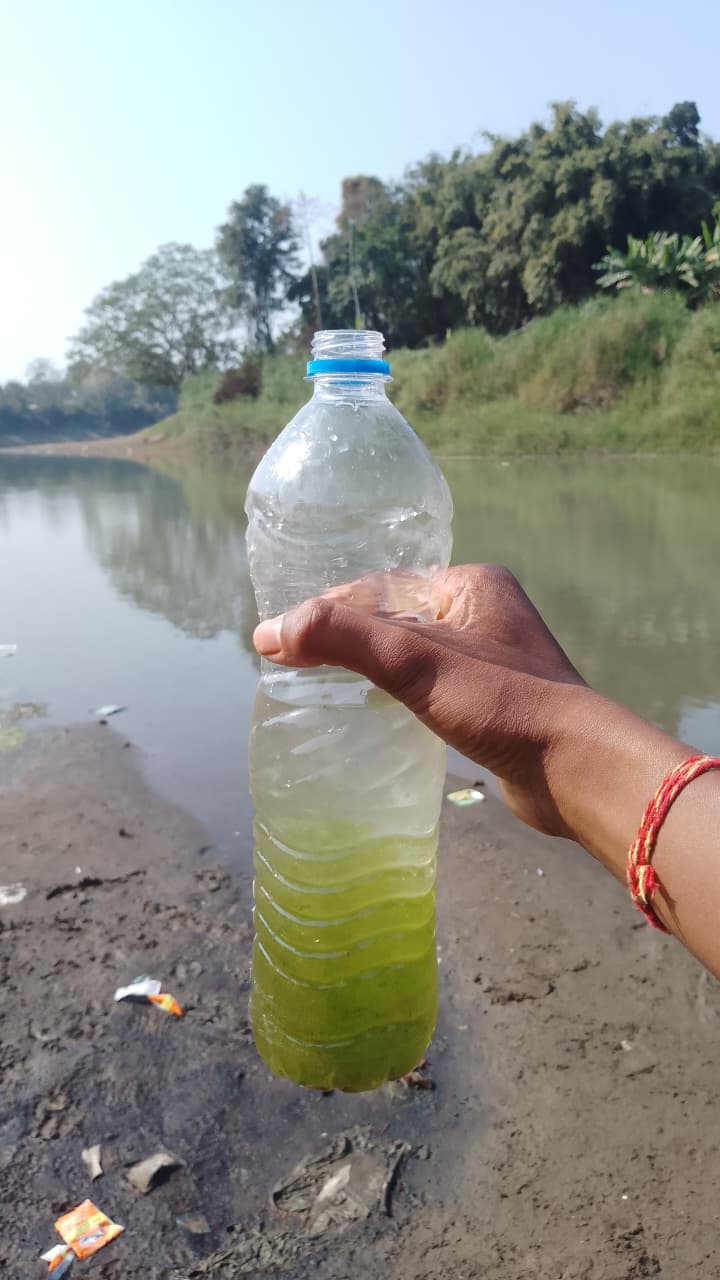
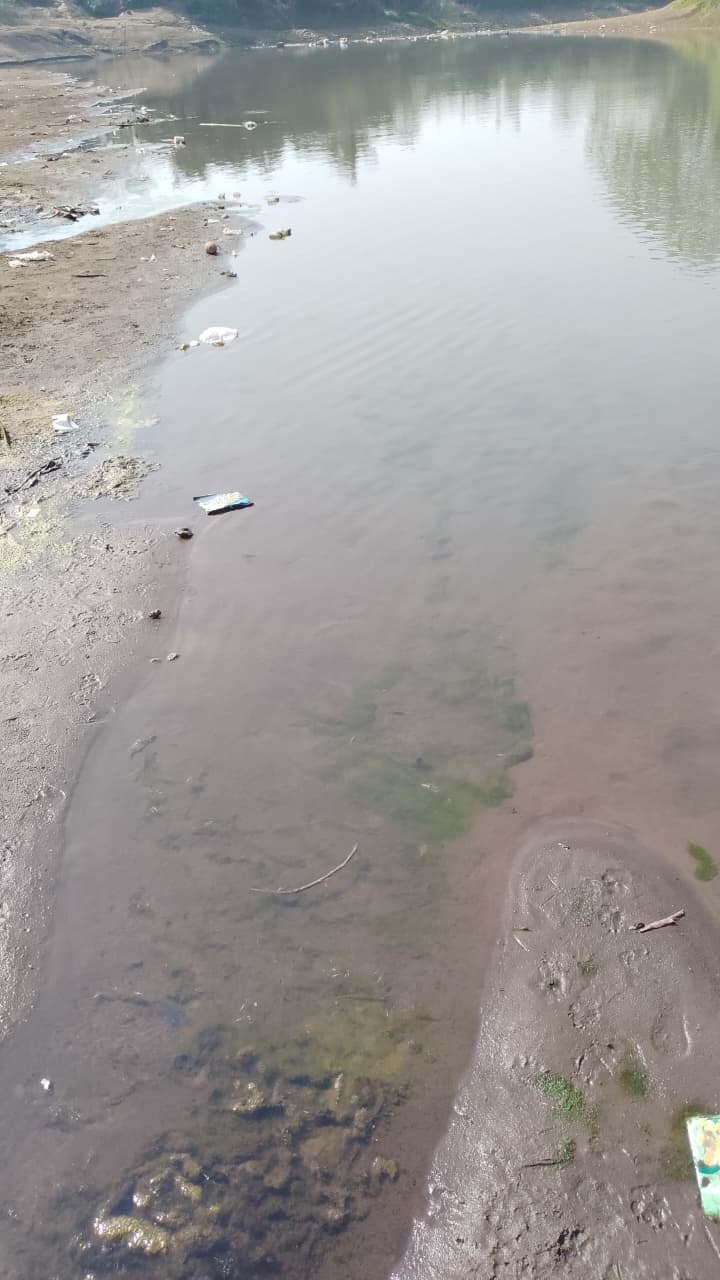
The CUBE ChatShaala session on 19 February 2026 centered around the identification and culture of Moina macrocopa and its ecological interactions. Students from CHM College, Ulhasnagar, collected pond water samples and initially believed the organism to be Daphnia. However, Kajal Kumari from ANDC College, Delhi, challenged this identification, suggesting it was Moina. The sample was later verified in Subhojit Sir’s lab with the assistance of Jyothi and Kritika, confirming it as the Moina macrocopa JSK1 strain.
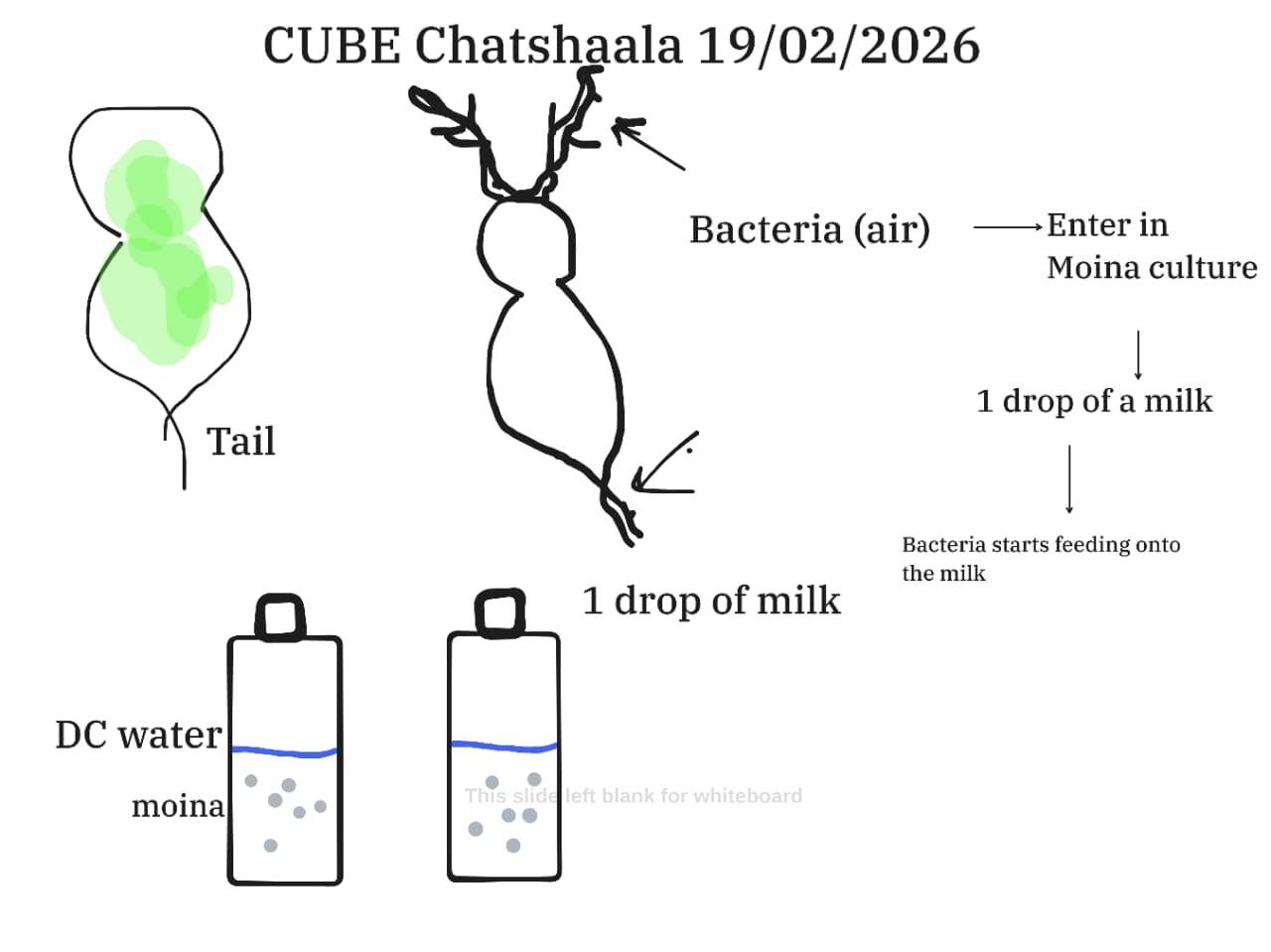
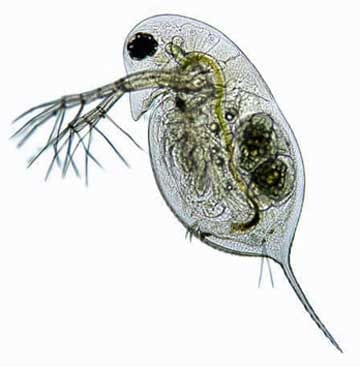
The discussion also explored experimental setups where a drop of milk was added to DC water containing Moina. This addition introduced bacteria (from air), which fed on the milk, thereby creating a food source for Moina. The illustration presented during the session highlighted Moina’s morphology (tail, antennae) and the ecological chain of interactions between milk, bacteria, and Moina.
Cubists reflected on the challenges of distinguishing Moina from Daphnia, noting subtle morphological differences such as apical spines, antennules, and body curvature. The conversation broadened to include related organisms like rotifers, copepods, and other freshwater microfauna, emphasizing the importance of careful observation and classification in ecological studies.
 Provocative Questions
-
How does the presence of bacteria introduced via air alter the ecological balance in a Moina culture?
-
What are the key morphological features that reliably distinguish Moina from Daphnia, and why are these distinctions often overlooked?
-
Could milk serve as a sustainable medium for culturing Moina, or does it introduce long-term instability due to bacterial overgrowth?
-
How might rotifers and copepods compete or coexist with Moina in the same freshwater ecosystem?
-
What role do small experimental errors (e.g., misidentification of species) play in shaping scientific understanding and group learning?
 What I Have Learned
-
Accurate identification of organisms like Moina requires close attention to morphological details, and misidentifications are common without careful verification.
-
Simple interventions (like adding milk) can create complex ecological interactions, highlighting the interconnectedness of microorganisms, bacteria, and crustaceans.
-
Collaborative learning across institutions enriches scientific inquiry, as seen in the contributions from CHM College, ANDC College, and Subhojit Sir’s lab.
-
Rotifers and other microfauna provide a broader ecological context, reminding us that pond ecosystems are diverse and dynamic.
 TINKE Moments (This I Never Knew Earlier)
-
Moina vs. Daphnia differentiation: Many participants realized for the first time that Moina has two apical spines and antennules, while Daphnia has only one spine and lacks antennules. This was a breakthrough in understanding subtle morphological cues.
-
Milk as a bacterial substrate: The idea that a single drop of milk could trigger bacterial growth, which in turn sustains Moina, was surprising and highlighted the simplicity yet effectiveness of ecological experiments.
-
Rotifer locomotion and survival strategies: Learning that rotifers can survive desiccation through cryptobiosis expanded the group’s appreciation of resilience in microscopic life.
 Gaps and Misconceptions
-
Experimental controls: The session did not fully address how to control bacterial populations to prevent overgrowth, which could destabilize Moina cultures.
-
Taxonomic clarity: While morphological differences were discussed, participants still struggled with consistent identification, suggesting a need for more structured comparative microscopy.
-
Ecological interactions: The role of other microfauna (rotifers, copepods, nematodes) in Moina cultures was mentioned but not deeply explored.
-
Assuming all pond “water fleas” are Daphnia: This misconception was corrected during the session, reinforcing the importance of precise taxonomy.
-
Belief that milk directly feeds Moina: In reality, Moina does not consume milk; bacteria feed on the milk, and Moina feeds on the bacteria. This clarification was crucial for understanding the food chain.
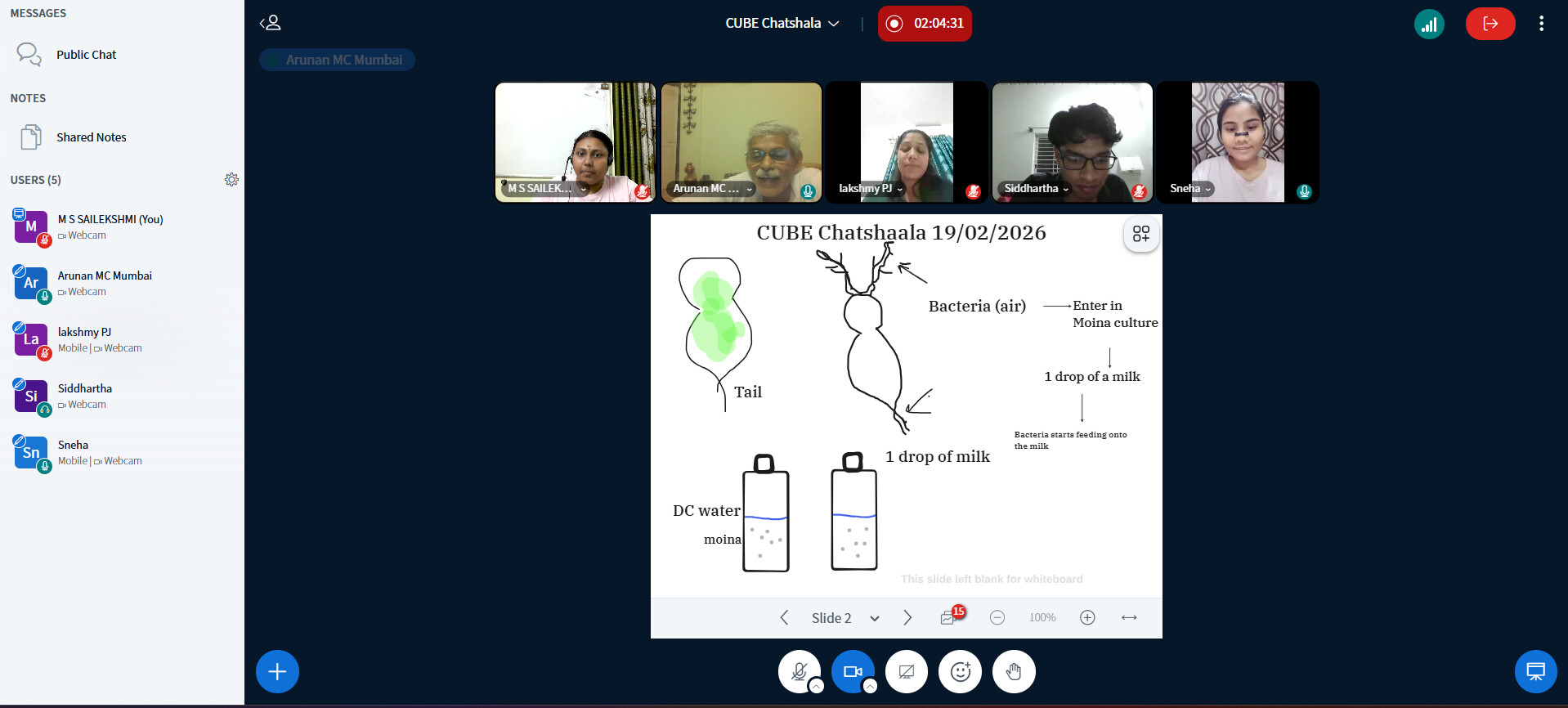
 Photographs during Chatshaala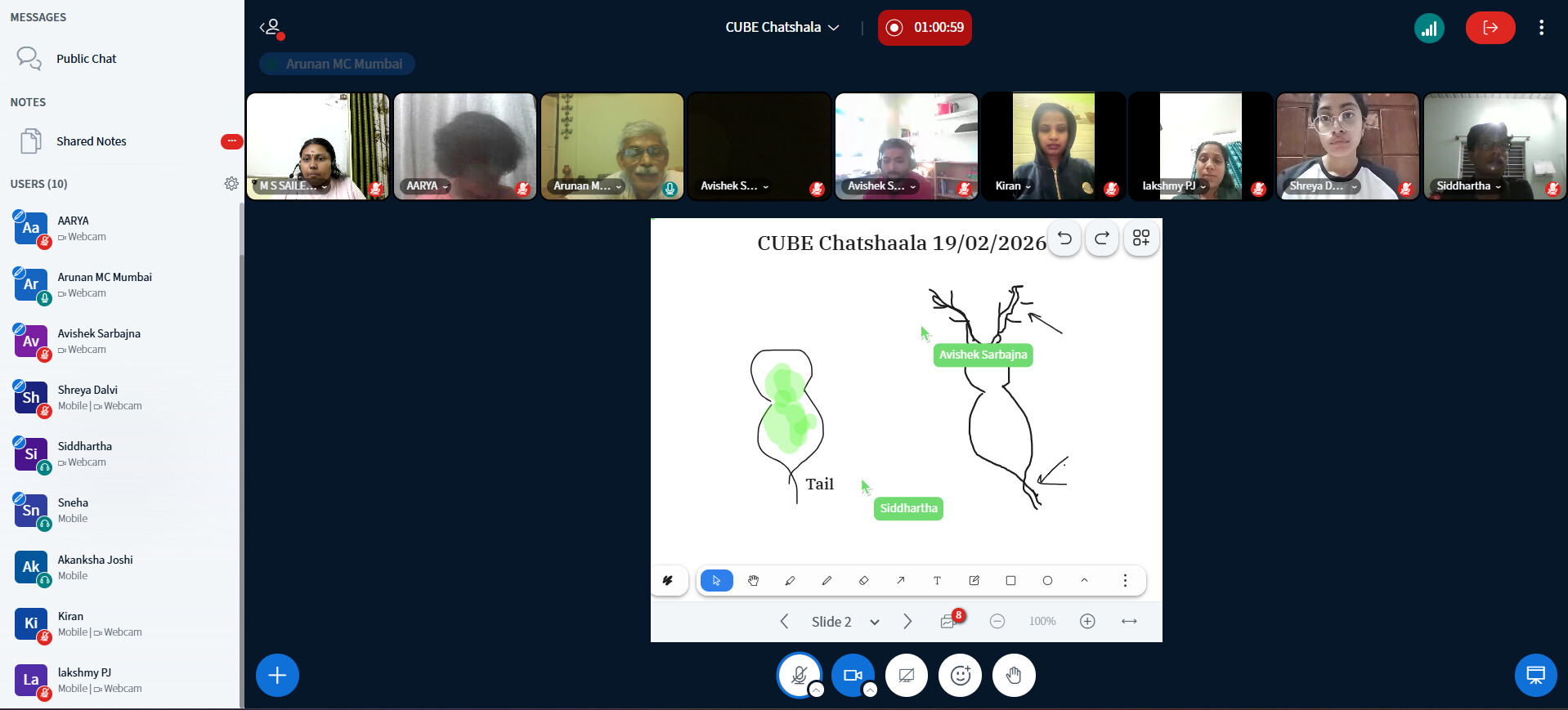
 Reference