 CUBE ChatShaala – Discussion Summary
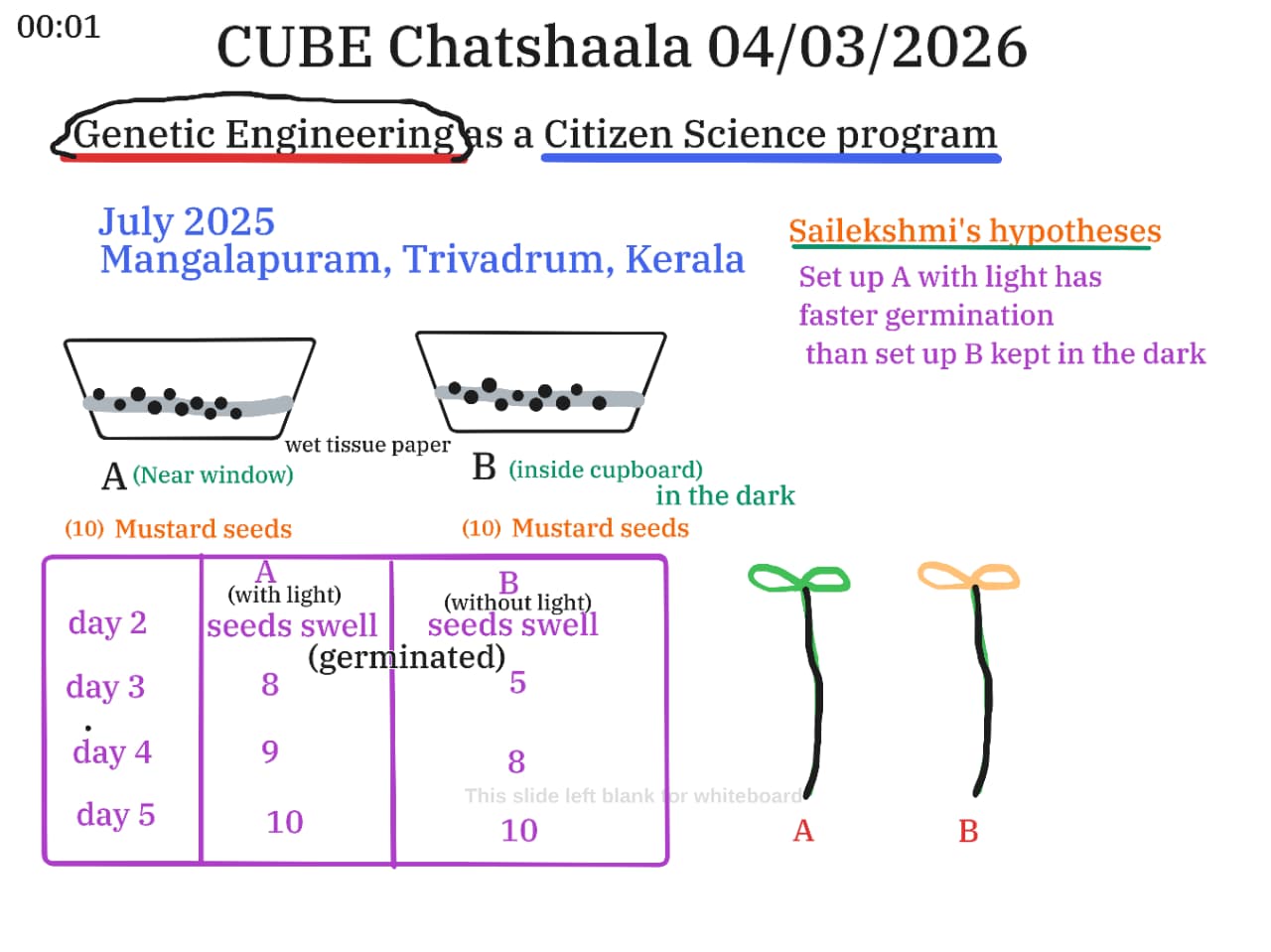
Today’s ChatShaala session centered on 4th March 2026: Genetic Engineering as a Citizen Science Program, with a focus on plant biology experiments and model organisms. The discussion began with Sailekshmi’s mustard seed germination experiment conducted in Kerala, comparing seeds exposed to light (Setup A) and seeds kept in darkness (Setup B). The hypothesis proposed that light would accelerate germination. Observations revealed that while Setup A initially showed faster germination, by Day 5 both setups reached full germination, highlighting that light may influence early stages but is not essential for completion.
Sneha raised an important point about how genetic engineering can be approached as a citizen science program. Her argument was that even people unfamiliar with genetic engineering could be engaged if the concepts were explained in simple, accessible ways. She emphasized that collaboration could begin at home—with parents, friends, and peers—before expanding outward.
She suggested using the floral dip method as a practical entry point, since it avoids the complexities of plant tissue culture and can be explained more easily to non-specialists. She highlighted Cardamine as a strong candidate for genetic engineering experiments. Cardamine is a common weed found in gardens and nurseries, notable for its rapid life cycle: seeds germinate, mature, and produce the next generation within about 45 days. This short cycle makes it comparable to Arabidopsis thaliana, the widely used model plant in genetic studies. Sneha argued that Cardamine could serve as an alternative model system for citizen science projects, offering accessibility and speed without requiring specialized facilities.
Her vision was clear: by simplifying explanations and choosing approachable model organisms, citizen scientists could meaningfully participate in genetic engineering experiments, bridging the gap between professional research and community engagement.
These experiments were related to the broader themes of plant developmental biology and citizen science approaches. Cubists investigated how simple, accessible experiments can reveal complex biological processes. The conversation then shifted to Wisconsin Fast Plants (Brassica rapa subsp. dichotoma), a model organism for rapid cycling developed by Paul H. Williams at the University of Wisconsin-Madison. These plants were selected for their short generation times, ability to grow indoors under fluorescent lighting, and suitability for classroom and laboratory use. Their ability to complete multiple generations within a school year makes them ideal for citizen science and educational projects.
Supporting references included research on light quality and biomass accumulation, dormancy as a survival strategy, and molecular insights into plant development. Together, these sources emphasized how environmental cues (light, temperature, and dormancy) interact with genetic programming to shape plant growth.
The session highlighted the intersection of simple citizen-led experiments and advanced scientific research, showing how everyday observations can connect to global plant biology studies.
 Provocative Questions
-
If mustard seeds germinate equally well in light and dark by Day 5, what does this suggest about the role of light in early versus later stages of germination?
-
How do Wisconsin Fast Plants embody the principles of an “ideal model organism,” and what lessons can citizen scientists draw from their design?
-
Dormancy is often seen as a paradox—does it represent a delay in growth or the beginning of survival? How might this apply to seeds kept in darkness?
-
Could citizen science experiments with mustard seeds or fast plants contribute to larger questions in genetic engineering, such as crop resilience or disease resistance?
-
What are the limitations of classroom-based experiments compared to laboratory research, and how can citizen science bridge this gap?
 What I Have Learned
-
Light is not strictly required for germination but influences the pace of early development.
-
Citizen science experiments can mirror professional research questions, making science accessible and participatory.
-
Wisconsin Fast Plants are a powerful teaching tool, designed to thrive in controlled environments and complete rapid life cycles.
-
Dormancy is a survival mechanism, not merely a pause, and understanding it can reshape how we view plant adaptation.
-
Connecting local experiments to global research enriches both education and scientific inquiry.
 TINKE Moments (This I Never Knew Earlier)
-
Light vs. Germination Misconception: Many assume seeds require light to germinate, but the experiment revealed that darkness does not prevent germination—it only alters timing.
-
Wisconsin Fast Plants’ Origin Story: Learning that these plants were deliberately bred to fit an “ideotype” for research was a surprising insight into how model organisms are engineered.
-
Dormancy as Survival, Not Delay: The paradox of dormancy challenged conventional thinking, reframing it as an active survival strategy rather than passive waiting.
-
Citizen Science Potential: Realizing that simple experiments with mustard seeds can connect to cutting-edge genetic engineering research was an eye-opening moment.
 Gaps and Misconceptions
-
Early Bias Toward Light: The initial hypothesis overstated the role of light in germination, overlooking that seeds in darkness eventually caught up.
-
Confusion Between Germination and Growth: Germination was completed in both setups, but growth characteristics (color, vigor) may differ—this distinction needs clearer emphasis.
-
Dormancy Misunderstood: Dormancy is often misinterpreted as inactivity; in reality, it is a complex adaptive process.
-
Citizen Science Limitations: While accessible, small-scale experiments may lack the precision of laboratory studies, requiring careful interpretation to avoid overgeneralization.
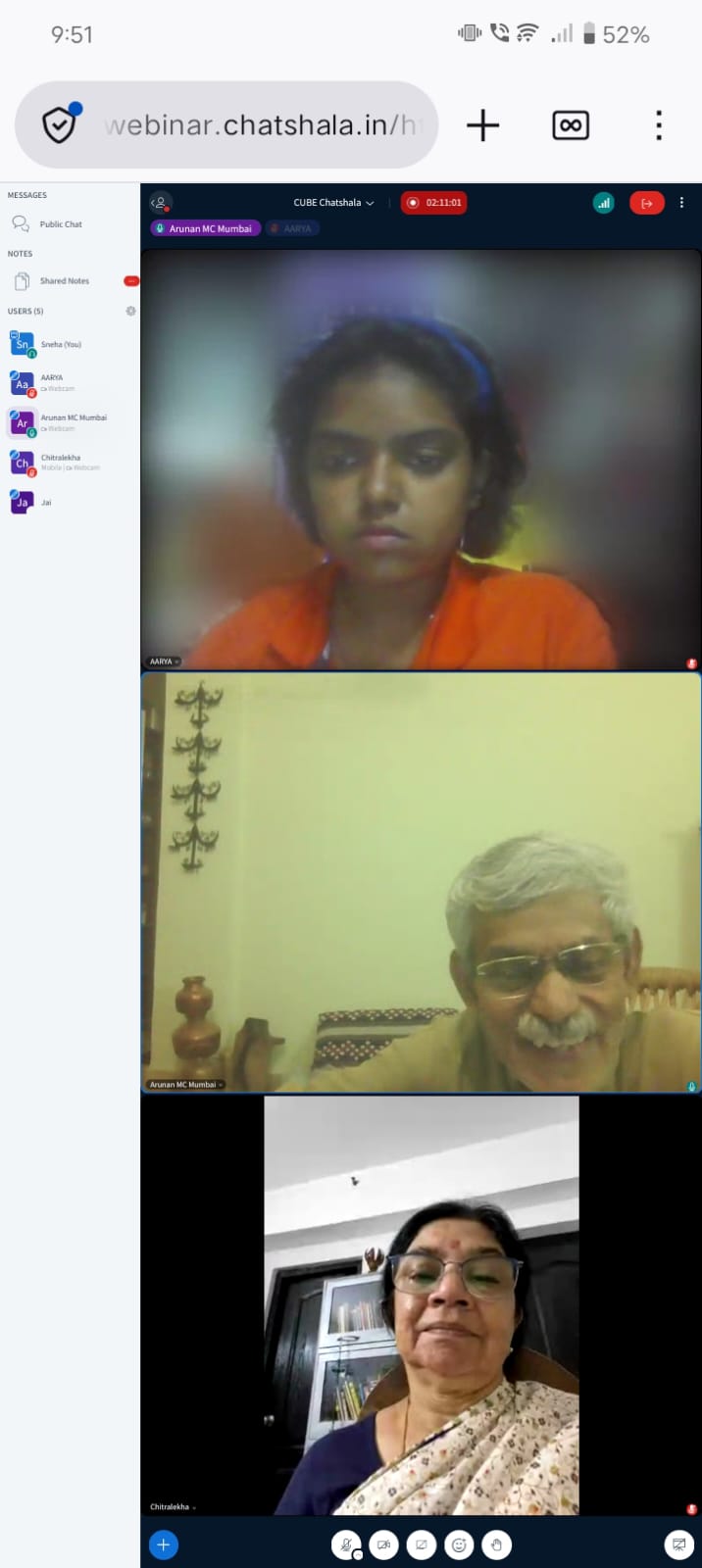
 Photographs during Chatshaala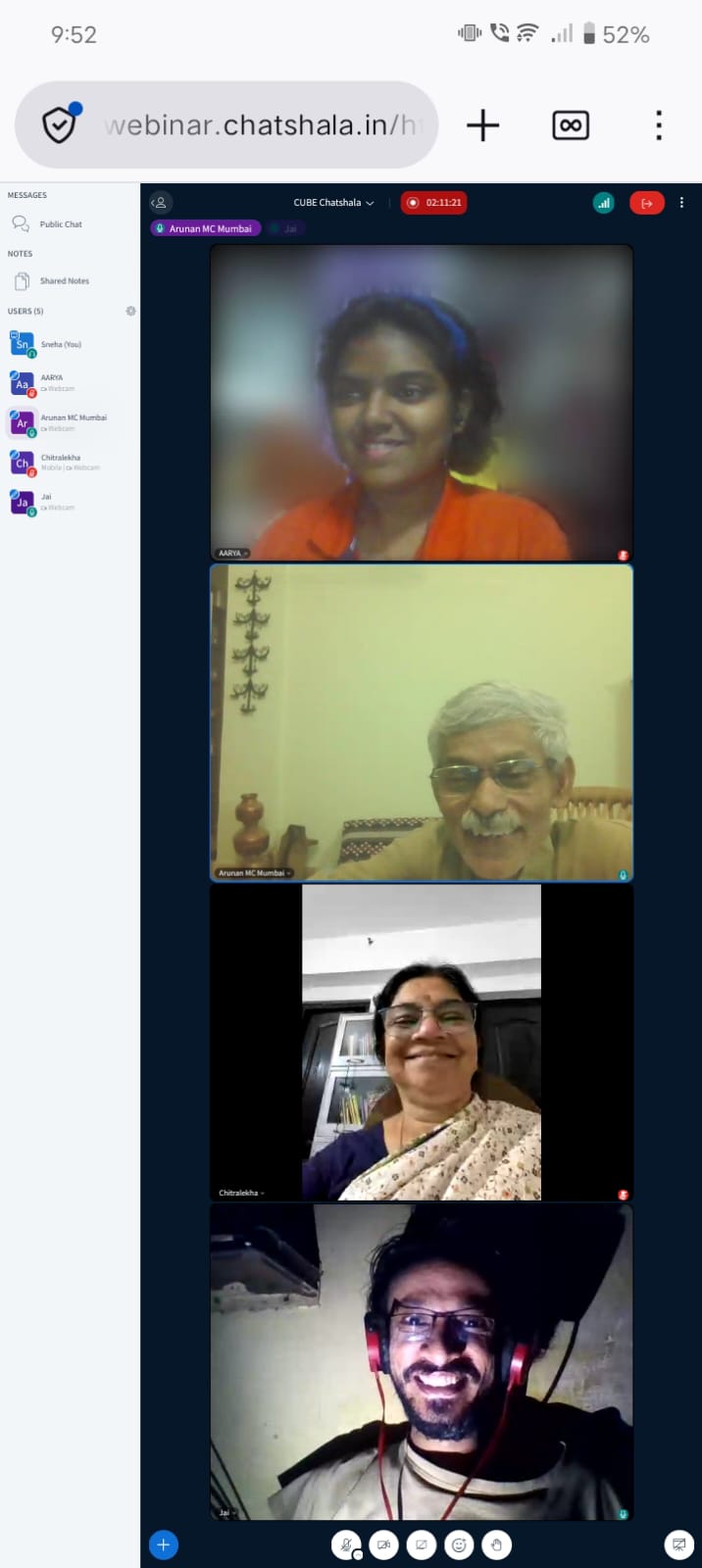
 Reference