 CUBE ChatShaala – Discussion Summary
2026-04-14T18:30:00Z
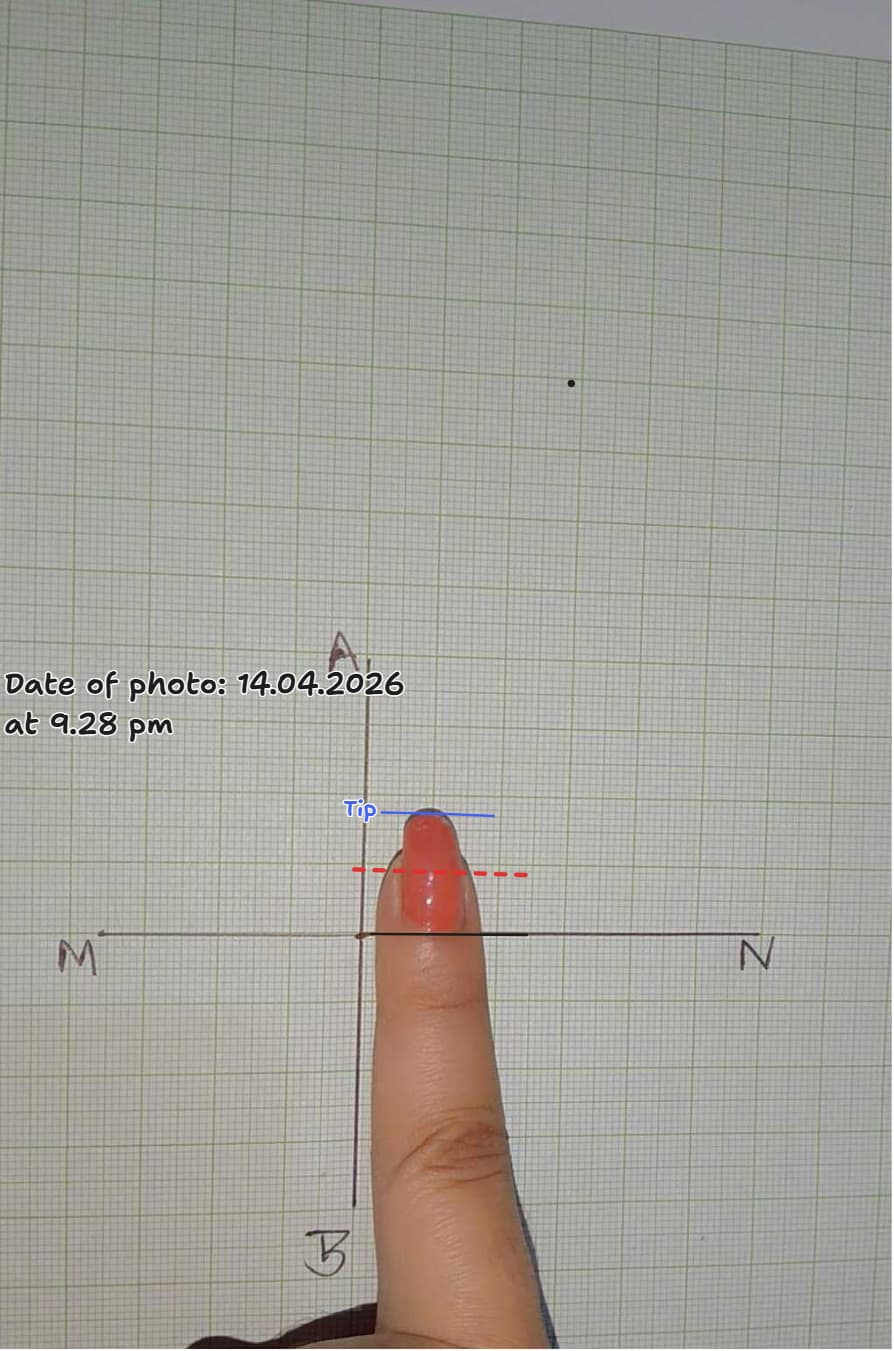
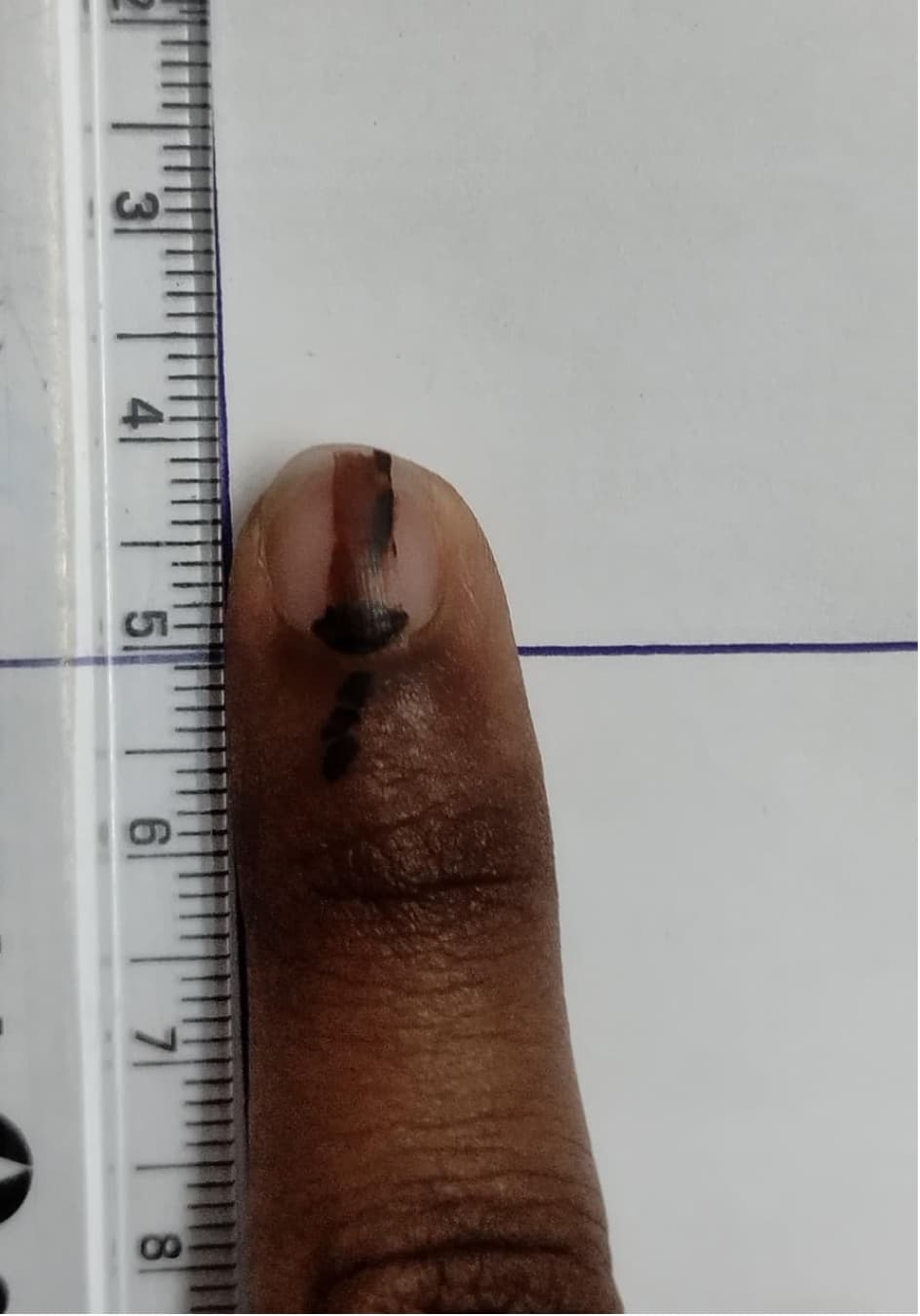
- Citizen Science Data Collection: Participants shared nail growth measurements from different age groups (20–76 years) using voters’ ink marks as reference points.
-
Age-Related Trends: Younger individuals (20–30 years) generally showed faster nail growth (up to 6–7 mm in a month), while older participants (50–70 years) showed slower growth (2–3 mm in the same period).
-
Methodological Concerns: Discussions emphasized the importance of clear photographs, consistent alignment of fingers, and standardized measurement methods to avoid errors.
-
Scientific Context: Research articles highlighted that human fingertips can regenerate almost fully after distal injuries, following distinct clinical phases (coagulation, hypergranulation, proliferation, epithelialization) with unique proteomic signatures.
-
Nail Anatomy Insights: The group revisited nail structures—matrix, nail bed, cuticle, and hyponychium—to understand how growth originates and how external markers (ink, mehendi, nail polish) can track it.
-
Broader Implications: The study links everyday nail growth observations to regenerative medicine, suggesting that nail stem cells may hold potential for clinical applications.
 Provocative Questions
-
How reliable is voter’s ink as a biological marker compared to laboratory methods?
-
Why do nails in younger individuals grow faster? Are stem cell activity and metabolism the key drivers?
-
Could nail growth rates serve as a non-invasive biomarker for aging or health conditions?
-
What confounding factors (nutrition, gender, climate, manual work) might influence nail growth beyond age?
-
How can citizen science data be standardized to match the rigor of clinical trials?
-
If fingertips can regenerate, could nails be used as a model system for studying human tissue regeneration?
 What I Have Learned
-
Nail growth is not uniform across ages; younger individuals generally show faster growth.
-
Everyday markers like voter’s ink or mehendi can be powerful tools for citizen science.
-
Human fingertips exhibit remarkable regenerative capacity, offering insights into scarless healing.
-
Clear methodology—consistent alignment, precise measurement, and large sample sizes—is essential for meaningful conclusions.
-
Nail anatomy is complex, with multiple structures contributing to growth and protection.
 TINKE Moments (This I Never Knew Earlier)
-
Unexpected Observation: A 20-year-old participant showed slower nail growth than a 24-year-old, challenging the assumption that younger always means faster growth.
-
Citizen Science Innovation: Using voters’ ink marks from elections as natural experimental markers was a creative and resourceful approach.
-
Regeneration Link: Discovering that fingertip regeneration follows distinct proteomic phases was a surprising connection between homelab observations and cutting-edge clinical research.
-
Data Gaps: Realizing that two or three samples cannot establish trends—highlighting the need for larger datasets.
 Gaps and Misconceptions
-
Misconception: Assuming age alone determines nail growth rate; other factors like health, nutrition, and lifestyle play roles.
-
Gap: Lack of standardized photographic methods leads to inconsistent data.
-
Gap: Limited awareness of nail anatomy among participants sometimes confused interpreting growth.
-
Misconception: Believing fingertip regeneration is identical to nail growth; while related, they involve distinct biological processes.
 Photographs during Chatshaala
 Referance