Summary of CUBE ChatShaala: January 7, 2026
Today’s session was less of a lecture and more of a collaborative investigation into the “secret life” of plants and the rigorous details of lab work. We focused heavily on Cardamine, a plant often discussed in the CUBE community as a tropical substitute for Arabidopsis thaliana.
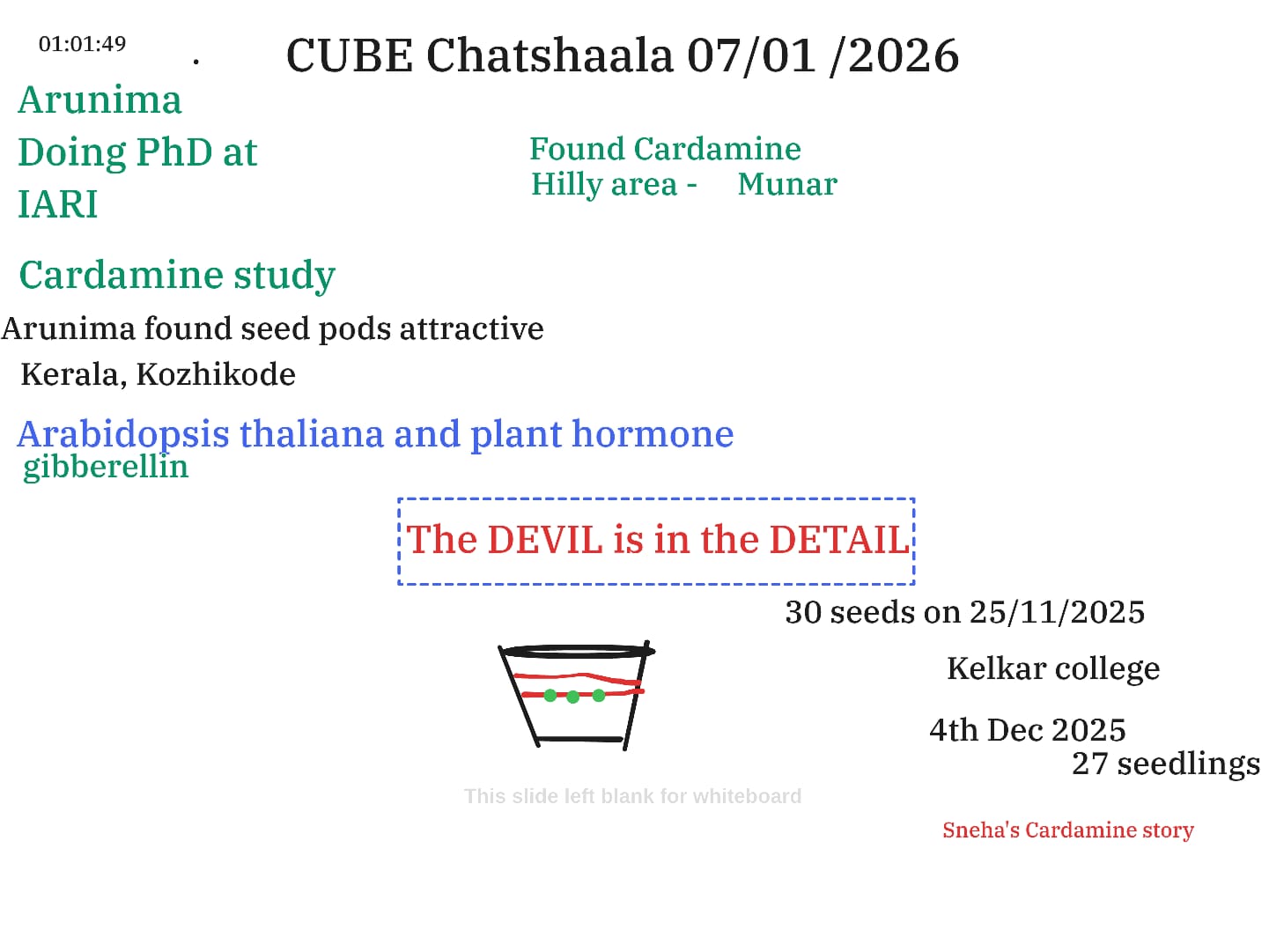
Arunima (Kozhikode, Kerala), a PhD scholar at IARI, shared her journey—starting from her attraction to the unique seed pods of Cardamine and her trip to the hill station Munnar.The discussion pivoted to the role of Gibberellin (a plant hormone) in growth. A significant portion of the talk was dedicated to Sneha’s Cardamine Story, where we tracked the progress of 30 seeds planted at Kelkar College. On December 4th, 27 seedlings were recorded, providing a tangible 90% germination rate for the group to analyze.
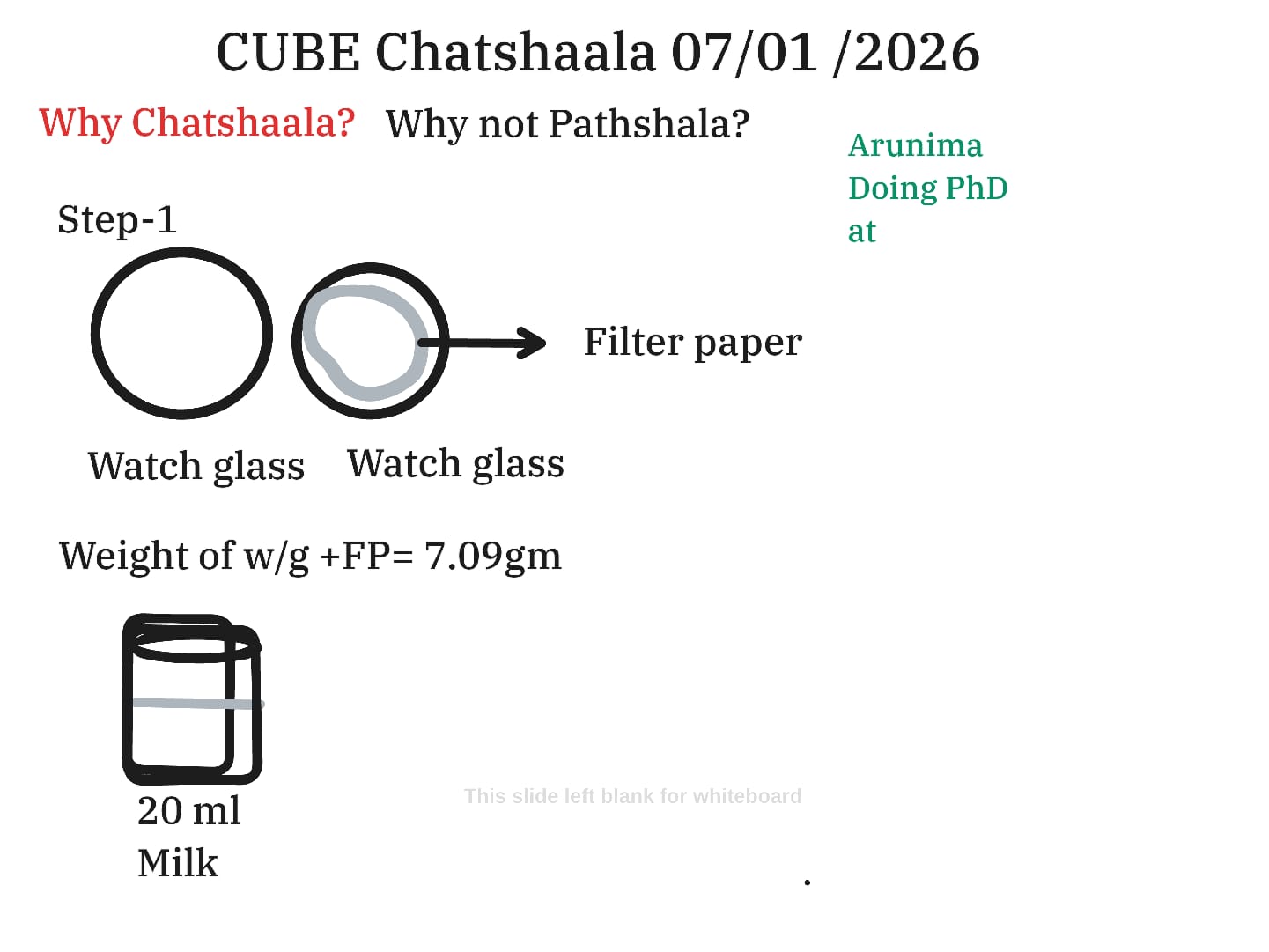
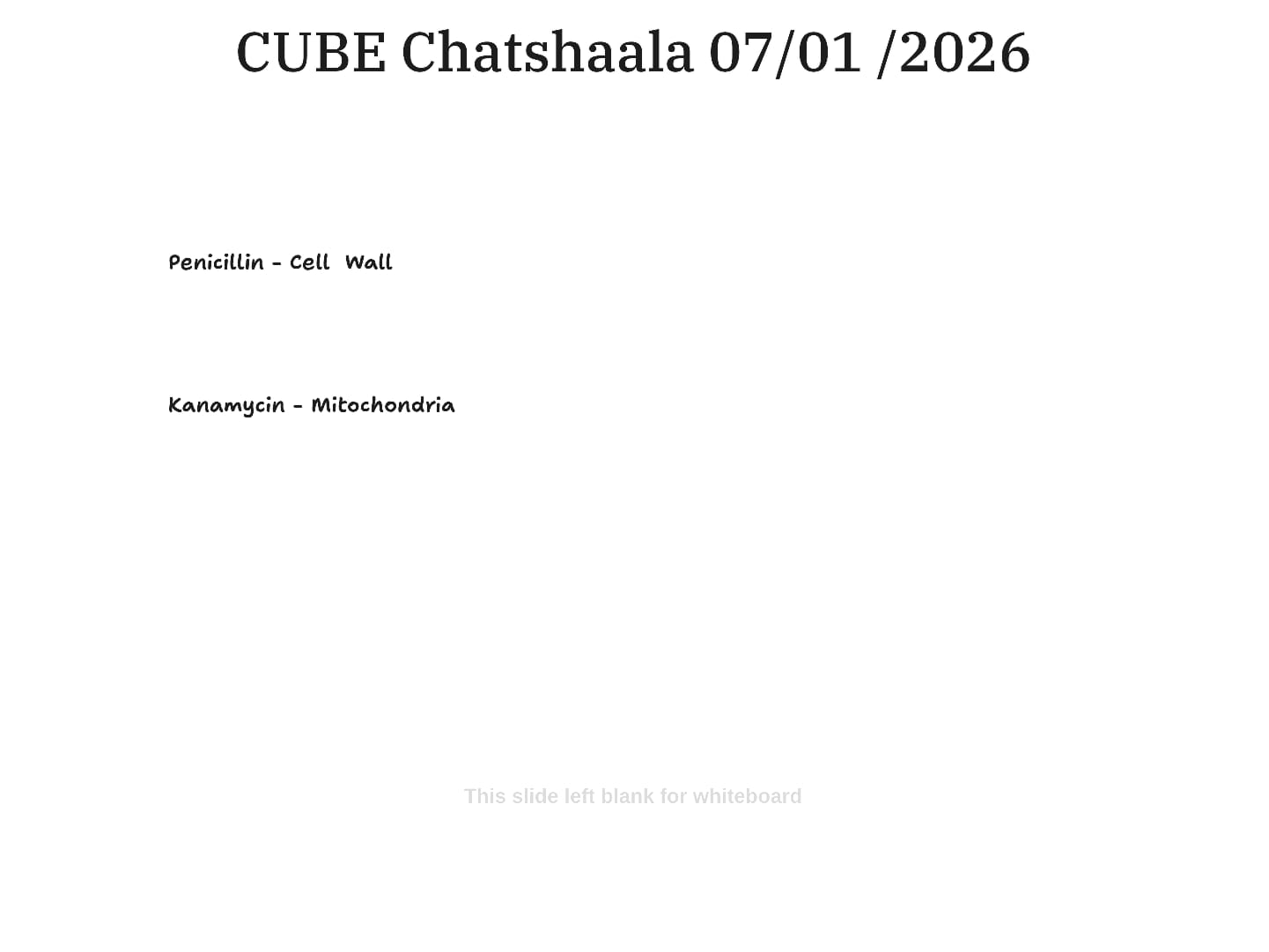
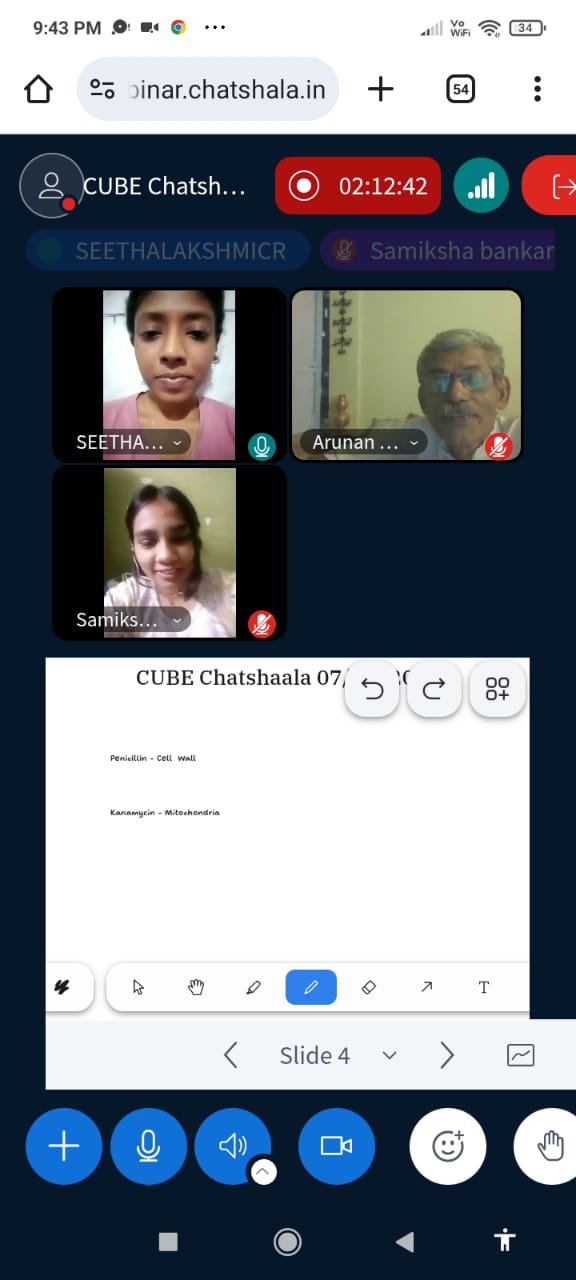
Beyond botany, we touched upon the “why” of our format—ChatShaala vs. Pathshala—emphasizing dialogue over rote learning. We also briefly touched upon the biochemical targets of antibiotics, specifically how Penicillin attacks cell walls while Kanamycin targets the mitochondria/protein synthesis machinery.
Certainly. Focusing on the critical thinking aspect of today’s session, here are the observations broken down into the specific analytical categories of the CUBE framework.
 TINKE Moments (This I Never Knew Earlier)
These are the “lightbulb” moments or sparks of curiosity that drove the discussion forward:
- The “Attractive” Catalyst: It was noted that Arunima’s entire PhD journey began not with a textbook, but with a visual attraction to seed pods in the wild. This highlights that scientific inquiry often starts with aesthetic curiosity rather than just data.
- The 27/30 Success: In Sneha’s experiment, the emergence of 27 seedlings from 30 seeds (90% germination) served as a powerful “TINKE” moment. It forced the group to think about the viability of seeds and what specific conditions at Kelkar College allowed for such a high success rate compared to other attempts.
- The “Devil in the Detail” Mantra: This served as a philosophical anchor for the session. It sparked a realization that in biology, the difference between a successful culture and a contaminated one often lies in the “invisible” steps—like the exact weight of a filter paper () or the precise volume of milk ().
 Gaps and Misconceptions
1. The Kanamycin-Mitochondria Connection
A significant misconception surfaced regarding how antibiotics affect eukaryotic cells. While the whiteboard noted “Kanamycin - Mitochondria,” the gap lies in why.
- The Misconception: That Kanamycin is designed to kill mitochondria.
- The Reality: Kanamycin targets the 30S ribosomal subunit in bacteria. Because mitochondria are evolutionary descendants of bacteria (Endosymbiotic Theory), they possess similar ribosomes. Therefore, Kanamycin can inadvertently interfere with mitochondrial protein synthesis, leading to “mitotoxicity.”
2. The “Model System” Assumption
There is a potential gap in assuming that Cardamine will behave exactly like Arabidopsis thaliana in every scenario.
- The Gap: While both are in the Brassicaceae family, the specific concentration of Gibberellin required for “bolting” or germination might differ significantly. We must be careful not to simply copy-paste Arabidopsis protocols onto Cardamine without local optimization.
3. Measurement Precision vs. Accuracy
We recorded the weight of the watch glass and filter paper as .
- The Gap: There was no mention of “taring” the balance or accounting for the weight of the air/moisture trapped in the filter paper. In high-precision plant biology, a “dry weight” is very different from an “ambient weight.”
4. The “Milk” Variable
The slide mentions of milk in a beaker-like drawing.
- The Misconception/Gap: If this is being used as a growth medium or for an experiment on protein/microbes, the type of milk (fat content, pasteurization level) is a massive “detail” currently missing from the notes.
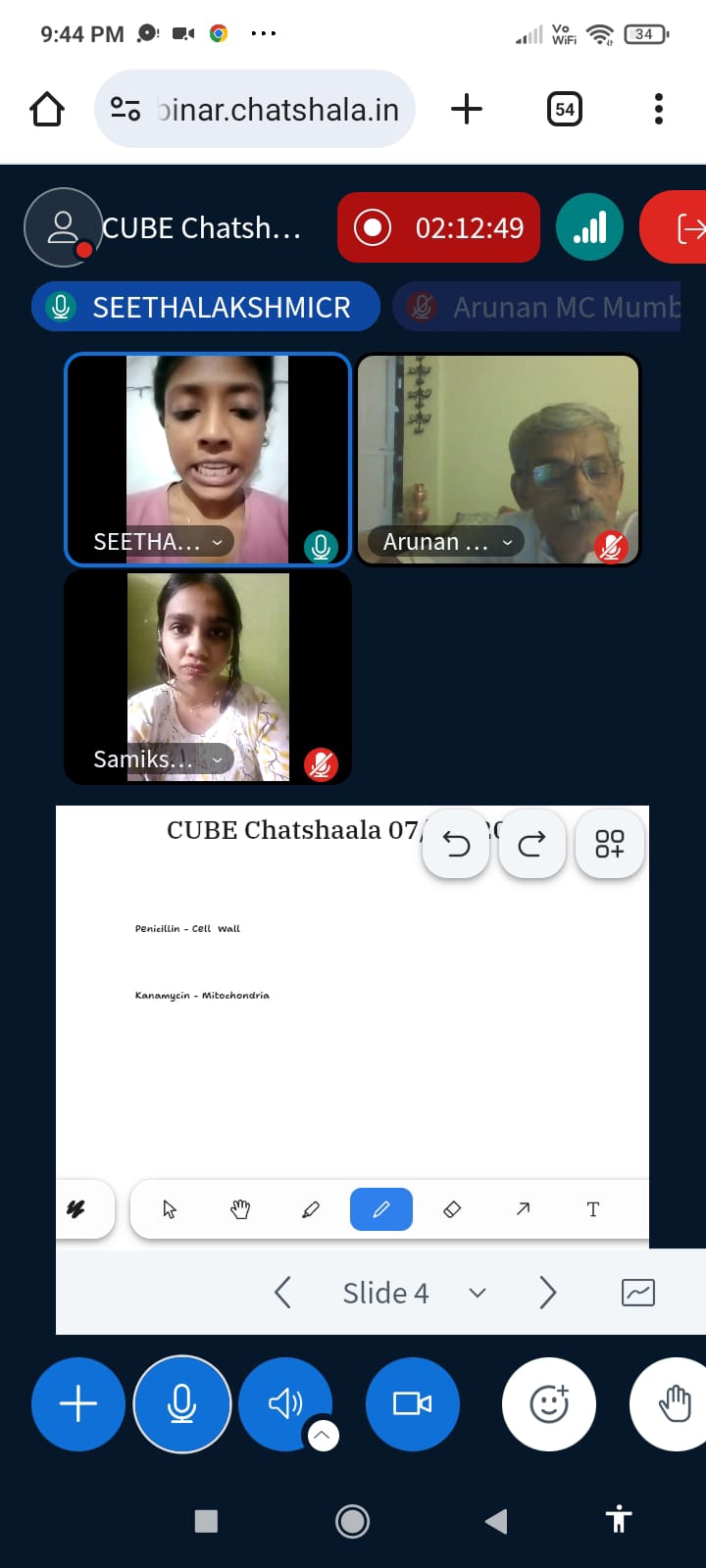
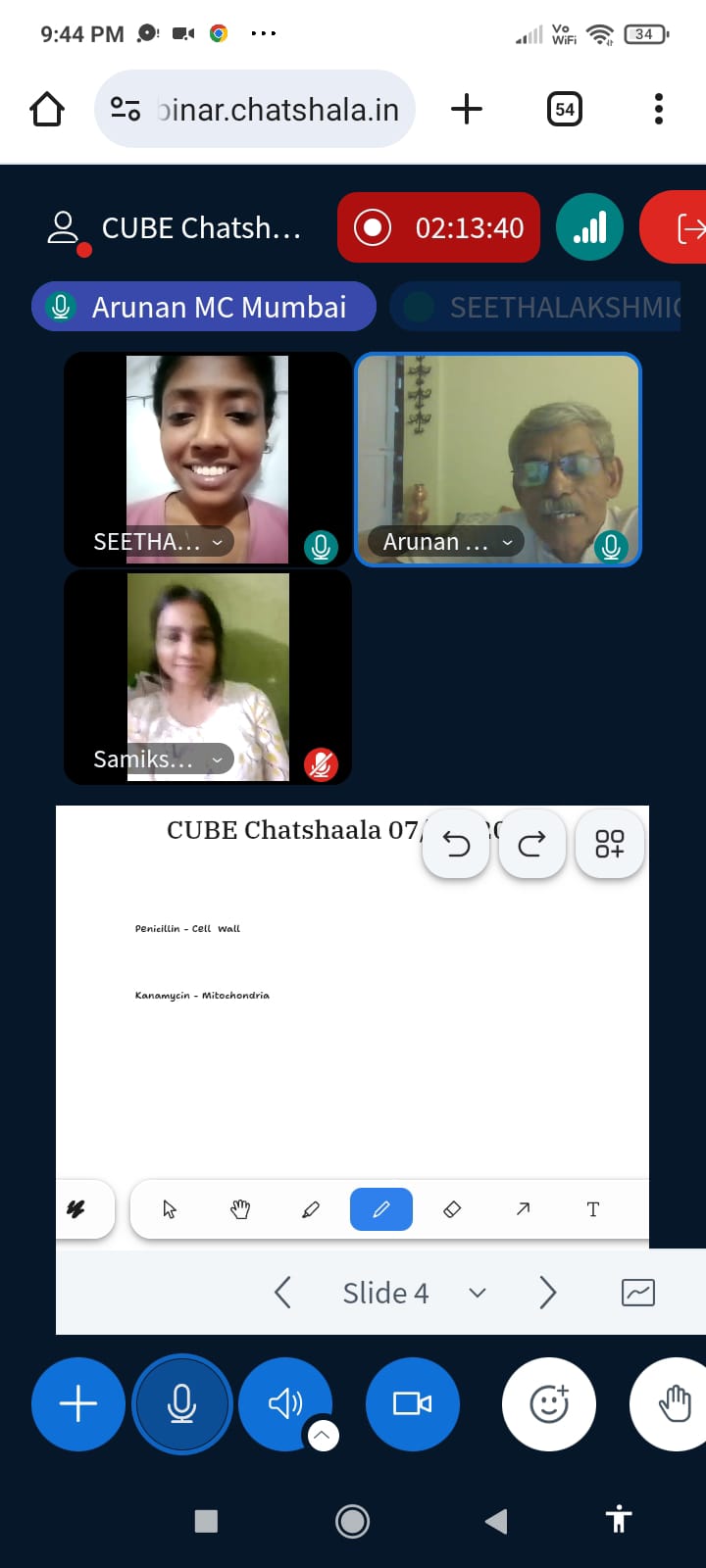
 Photographs during Chatshaala
 Provocative Queries for the CUBE Community
-
We often say “the devil is in the detail” when an experiment fails, but can the detail be our greatest teacher? If Sneha had 27 seedlings instead of 30, do we obsess over the 27 that grew, or the 3 that didn’t? **What do those 3 “missing” seeds tell us about the soil, the hormone, or the soul of the experiment?
-
If Kanamycin targets ribosomes similar to those found in our mitochondria, are we essentially fighting bacteria by attacking a part of ourselves that is also “bacterial” in origin? How do we balance the “kill” without the “collateral”?
-
In a Pathshala, the teacher gives. In a ChatShaala, we “chat” to discover. If we don’t have a textbook to tell us the “right” answer for the Cardamine growth in Munar, are we brave enough to trust our own observations over a printed page?
 What I Have Learned
From today’s session, I’ve gathered that observation is the first step of PhD-level thinking. Whether it’s Arunima noticing seed pods in a hilly area or Sneha counting seedlings in a college lab, science starts with “looking.” I also learned that the transition from Arabidopsis (the global standard) to Cardamine (our local standard) requires a deep understanding of plant hormones like Gibberellin to ensure our models are accurate.
 Reference
-
https://c8.alamy.com/comp/P1GWNT/closeup-photo-of-business-tea-meeting-P1GWNT.jpg
-
Cardamine: Substitute Indian Model System for Arabidopsis - #14 by KiranKalakotiR
-
🌿 From Fenugreek to Gene Flow: Sneha’s Journey into the Secret Life of Cardamine
-
🌱 Germination Tales: When Cardamine Meets Mustard in a Bottle Garden